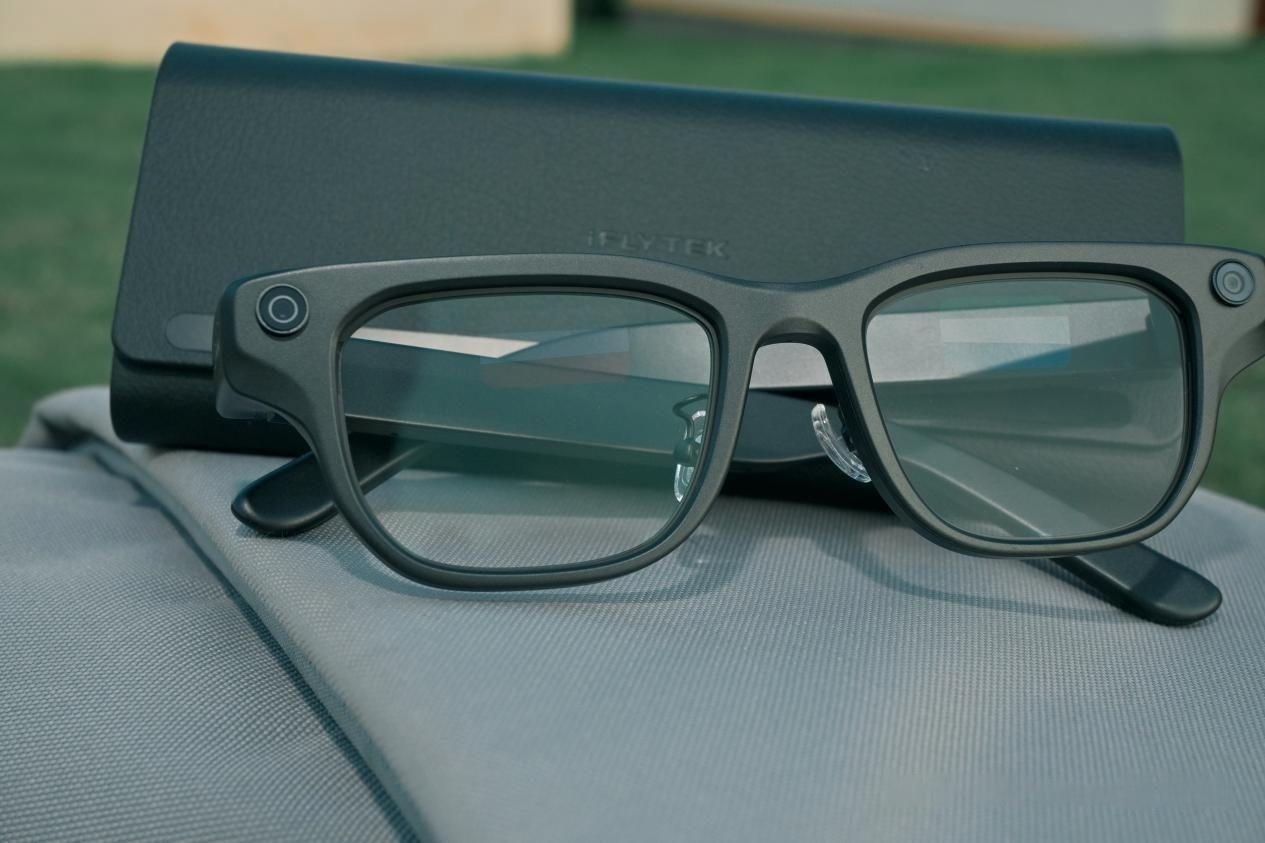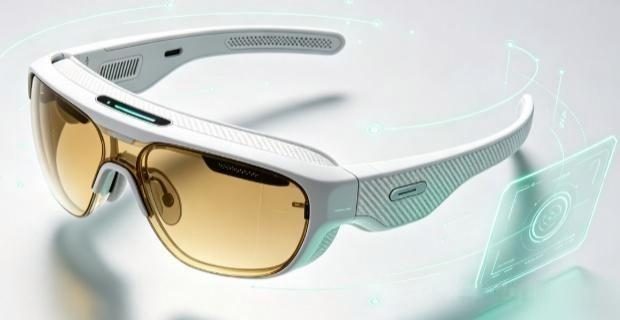
Translation glasses are the clearest example of a smart-glasses feature that only works in the wearable form factor. A phone can translate a menu; it cannot render a conversation as subtitles while the wearer maintains eye contact. That difference decides the design of the whole product.
The translation modes, and who each one is for
| Mode | How it works | Best for |
|---|---|---|
| Subtitle | Speech rendered as text on the display | Understanding without speaking |
| Face-to-face | Alternating speech, translated aloud | Two people in one conversation |
| Simultaneous | Continuous translated audio | Talks and lectures |
| Photo / text | Camera reads signage or documents | Menus, signs, notices |
| Offline pairs | Downloaded model, no connection needed | Travel without reliable data |
What decides accuracy
Translation quality depends far more on speech recognition than on the translation model. Two conditions dominate. The first is whether the wearer's own voice is captured cleanly, which is why microphone arrays with beam-forming matter: the array has to separate the speaker's voice from surrounding noise at conversational distance rather than at headset distance. The second is latency, because a two-second delay turns a conversation into a relay. Neither is visible in a language-count specification, which is why the number of supported languages should be treated as a coverage list rather than a quality measure.
Online and offline translation
Most translation runs in the cloud, which produces the best quality and requires a working connection. Offline modes exist on several models but are usually limited to a smaller set of language pairs and a reduced model, with accuracy visibly below the online path. For travel, the distinction decides whether the glasses are useful in the situations where translation is most needed: an airport, a rural area, a subway. Where offline pairs are supported, the model has to be downloaded before departure rather than at the point of use.
Consent and the conversation problem
Translating a conversation necessarily captures another person's speech, and in many jurisdictions recording requires consent. Practically, the modes that translate aloud and let both parties hear the output avoid the recording question entirely, while modes that transcribe silently do not. Models that indicate active recording with a visible light remove most of the social friction, and the absence of such an indicator is the usual reason a translation pair is put away after the first trip.
Where to start
- iFLYTEK AI Glasses review — 122 languages, five translation modes and offline face-to-face pairs.
- Display AR glasses compared — how subtitle delivery differs between display technologies.
- AI glasses for video — the same hardware assessed for capture rather than interpretation.
Where to buy a translation AI glasses
This category page links out to a retailer once the final product link is confirmed. Outbound purchase links are treated as affiliate links and are disclosed in the Advertising Disclosure.
Price link pendingOutbound product link pending. Set the "translation-ai-glasses" key in .workbuddy/tools/product-links.json, then re-run the build, to activate this button.