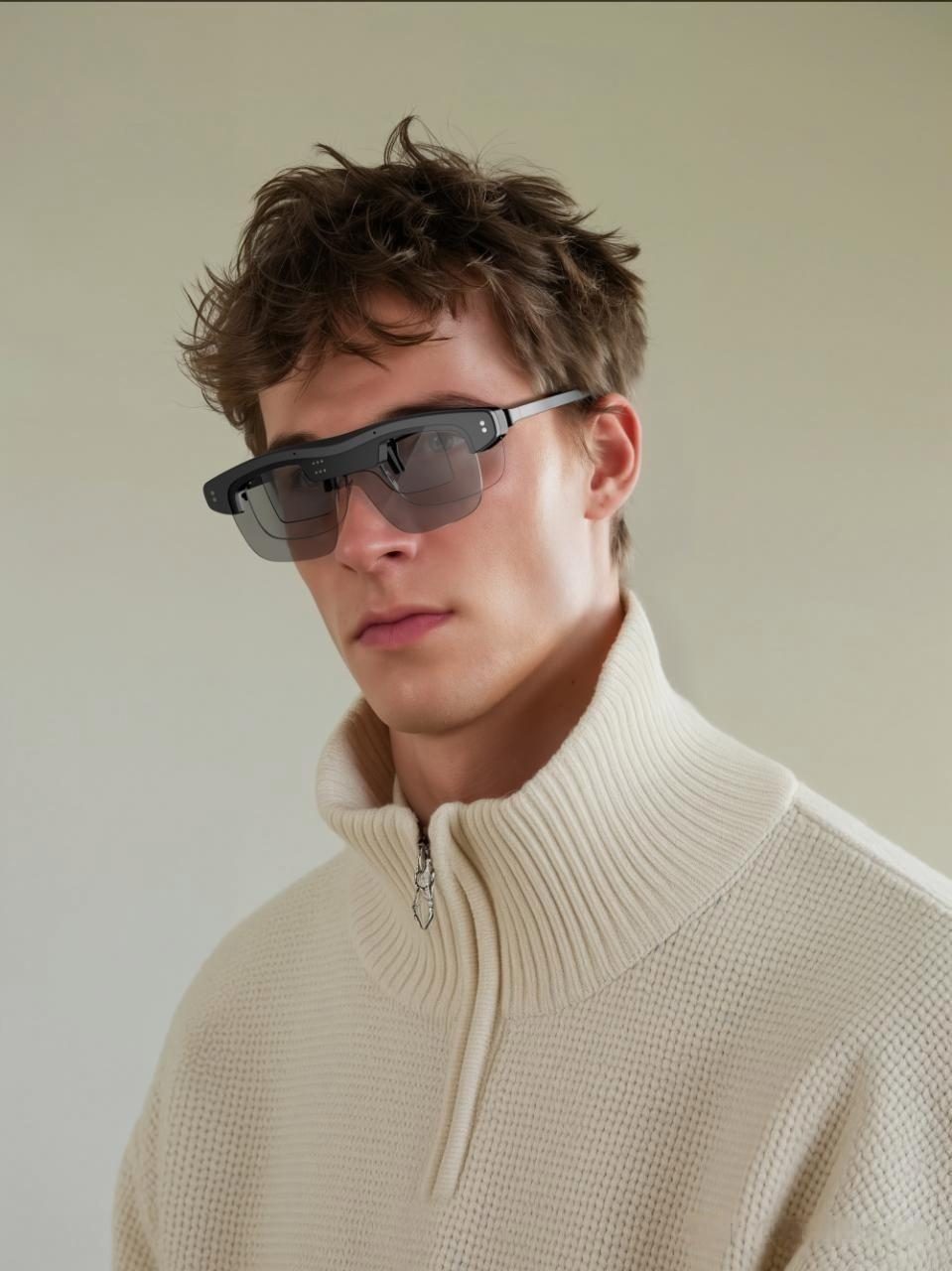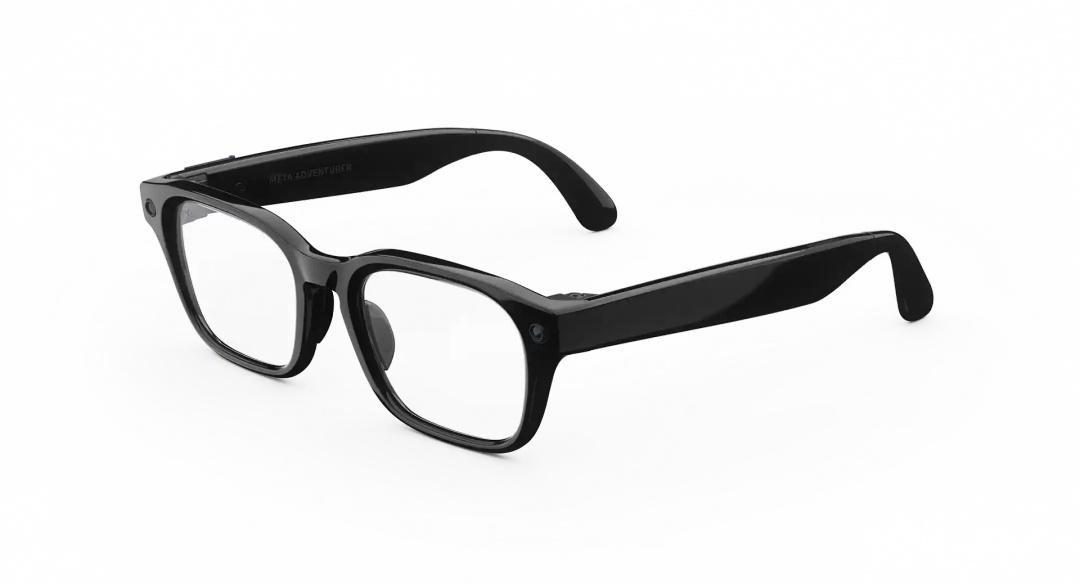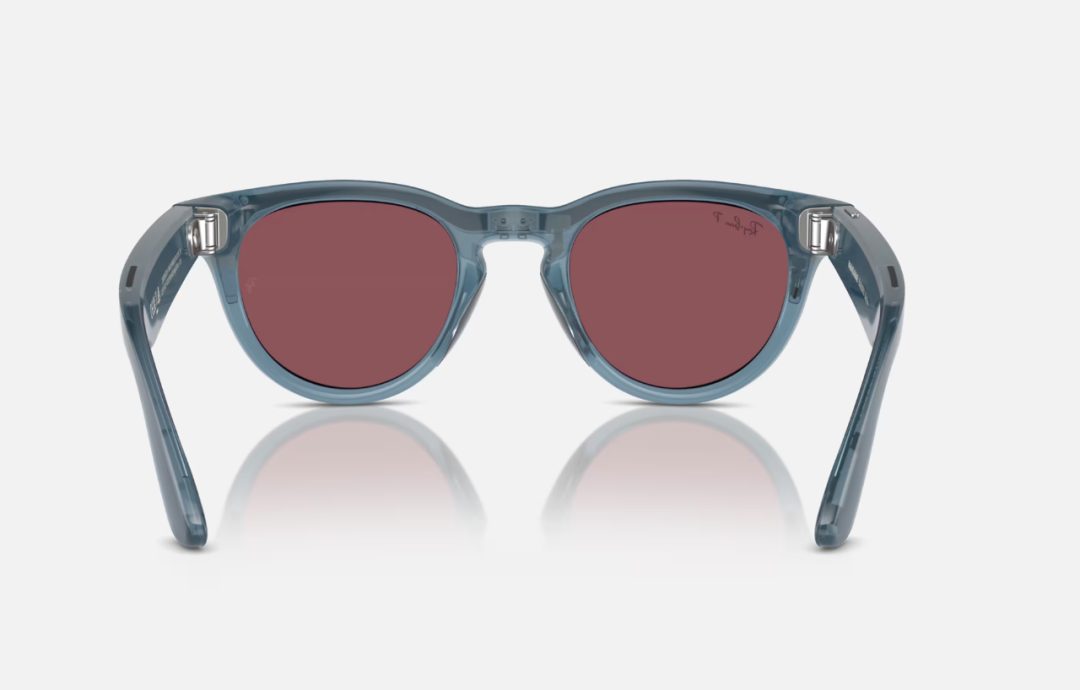
Camera glasses are sold on the argument that the best camera is the one that is already there. The argument holds in a specific and narrow set of situations, and it is worth being precise about them before paying a premium for a sensor that is smaller and less capable than the one already in a pocket.
When the form factor wins
- The moment is already passing. Retrieving a phone takes four to six seconds, and most missed photographs are missed inside that window.
- Both hands are occupied. Cycling, cooking, carrying, holding a child or a tool.
- Pulling out a phone would change the situation. Any setting where a phone is socially intrusive or physically restricted.
- The recording is a record rather than a photograph. A procedure, a lesson, a route, notes spoken aloud.
The same list explains the cases where a phone wins: deliberate composition, low light, zoom, manual control, and anything intended for printing or publication.
The limits that decide daily usefulness
| Constraint | Typical behaviour |
|---|---|
| Clip length | Continuous video is capped, commonly at three minutes per clip |
| Heat | The frame becomes warm during sustained recording and throttles |
| Stabilisation | Hardware stabilisation is present on some models only; walking footage exposes the difference |
| Low light | Usable frames in daylight; noise and heavy processing after dusk |
| Framing | Wide and fixed; the camera sees what the wearer sees, with no viewfinder |
The recording indicator is a design requirement
A camera on the face changes how the wearer is treated by everyone in the room, and the visible recording indicator is what makes the device socially viable. Three questions are worth answering before purchase: whether an unobstructed indicator exists, whether it is visible from in front of the wearer rather than only from behind, and whether recording continues when it is covered. The legal position also varies by jurisdiction, and the obligation generally falls on the person operating the device rather than on the manufacturer.
Where to start
- AI glasses for video — four camera-equipped pairs tested for clip length, heat and stabilisation.
- Meta Glasses launch — three frame families, 26 combinations and a 12MP ultrawide camera.
- Ray-Ban Meta after two months — what the camera is actually used for once the novelty passes.
Where to buy a camera AI glasses
This category page links out to a retailer once the final product link is confirmed. Outbound purchase links are treated as affiliate links and are disclosed in the Advertising Disclosure.
Price link pendingOutbound product link pending. Set the "camera-ai-glasses" key in .workbuddy/tools/product-links.json, then re-run the build, to activate this button.