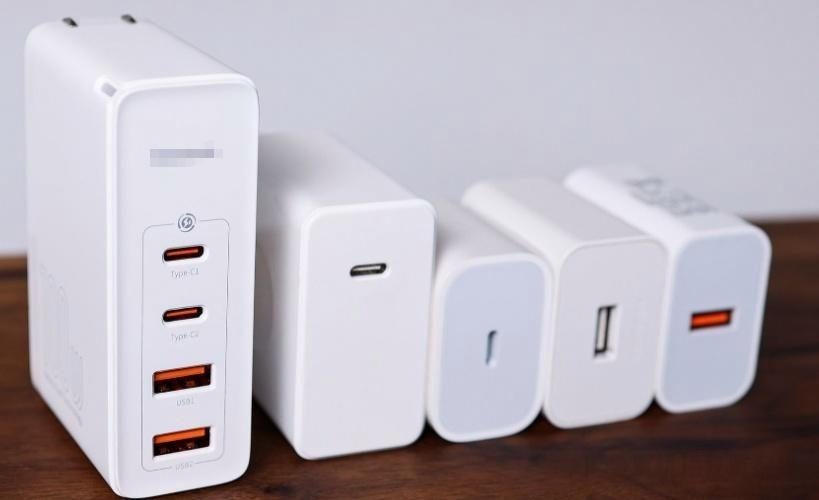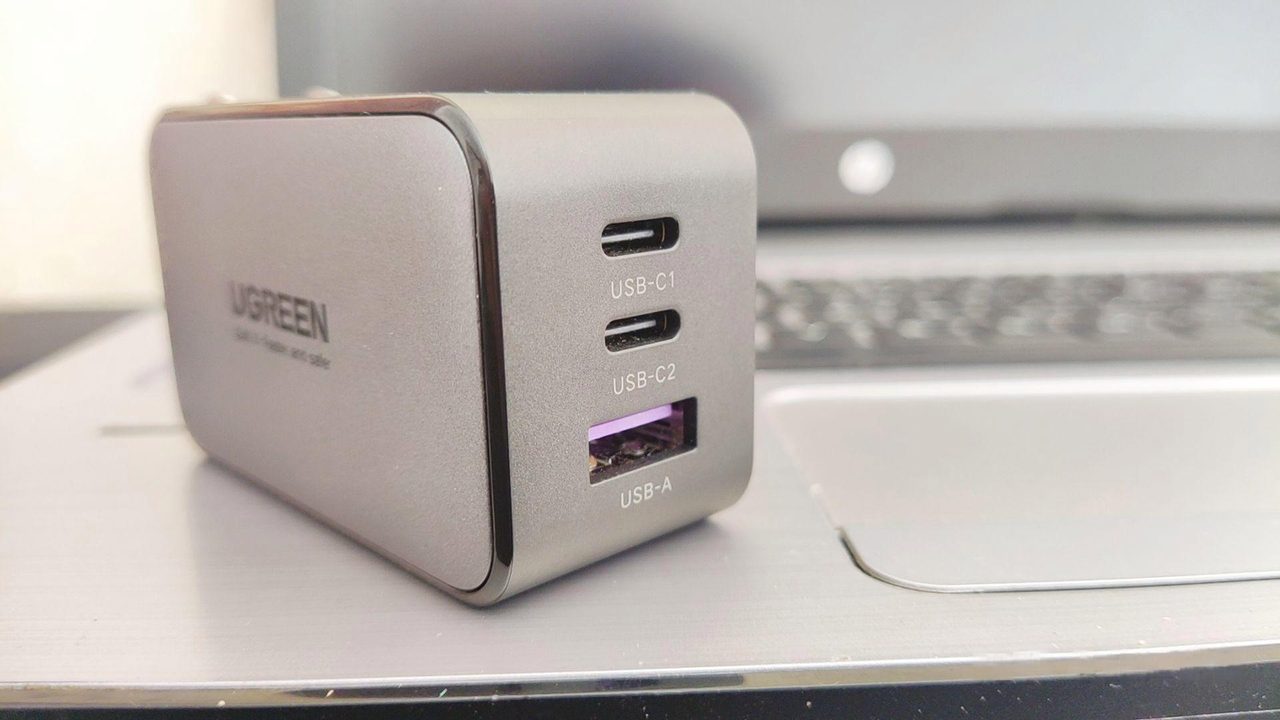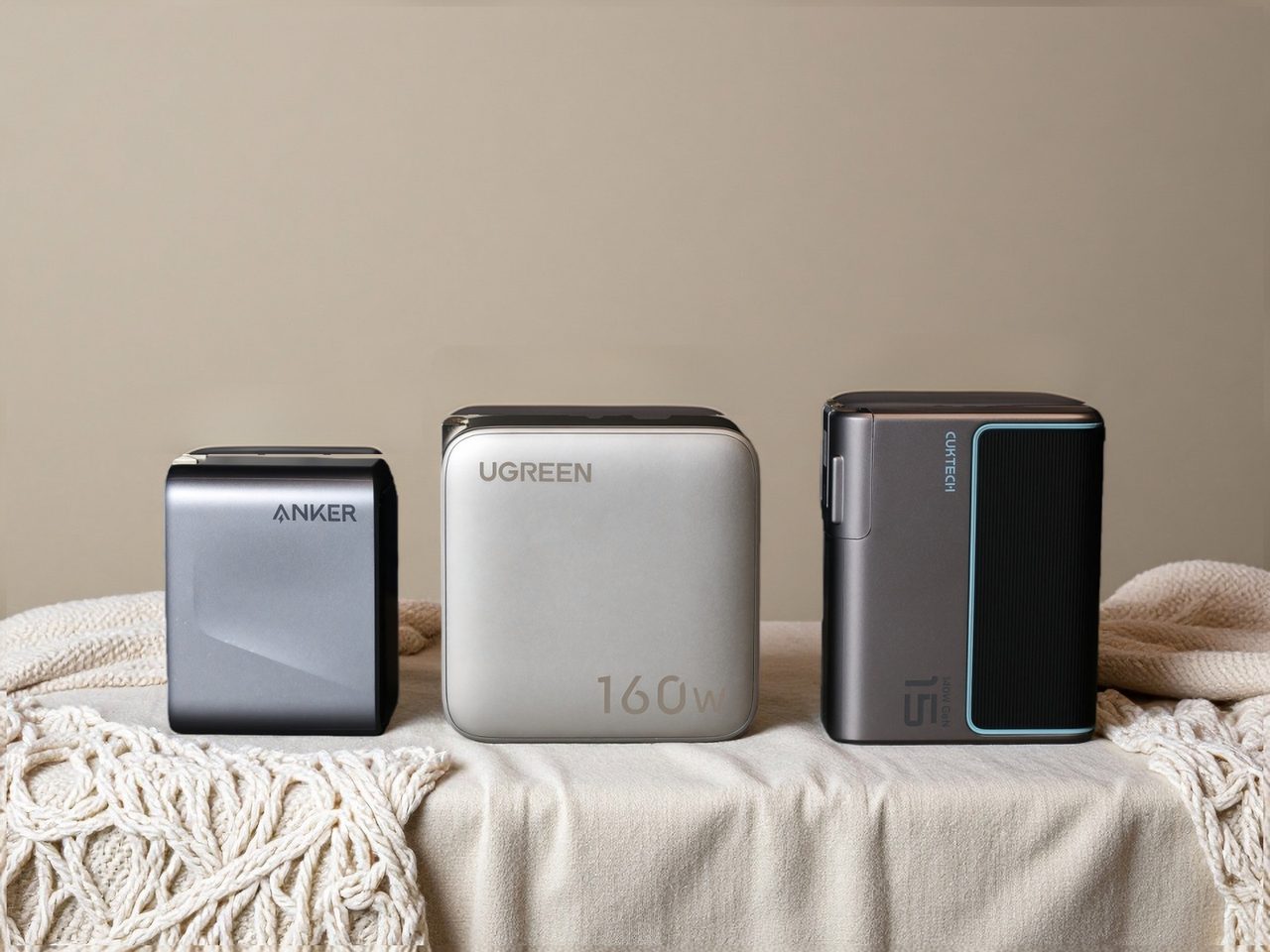
A wall charger is the one purchase in this category that is decided almost entirely by three numbers, and almost every disappointing purchase comes from ignoring one of them. The three numbers are output wattage, the USB Power Delivery revision, and port count. Everything else - finish, weight, the brand on the housing - is secondary to whether those three match the devices the charger has to feed.
Wattage: the ceiling, not the speed
A charger's wattage is a ceiling, not a promise. A 140W unit does not charge a phone at 140W; it charges it at whatever the phone negotiates, which for most phones is between 18W and 45W. The reason to buy more wattage than a single phone needs is headroom for the other devices on the same unit - a laptop that draws 65W, a tablet that draws 30W, and a phone at 20W add up to more than any single-port charger will deliver.
The practical mapping is straightforward. Phones top out between 20W and 45W on standard protocols. Tablets sit at 30W to 45W. Thin-and-light laptops charge at 45W to 65W. Full-size laptops and mobile workstations need 100W to 140W to charge at full speed while in use. A charger sized at or below the device's requirement will still work, but it will charge slowly and may lose ground while the device is under load.
Ports: how many, and what happens when they are all used
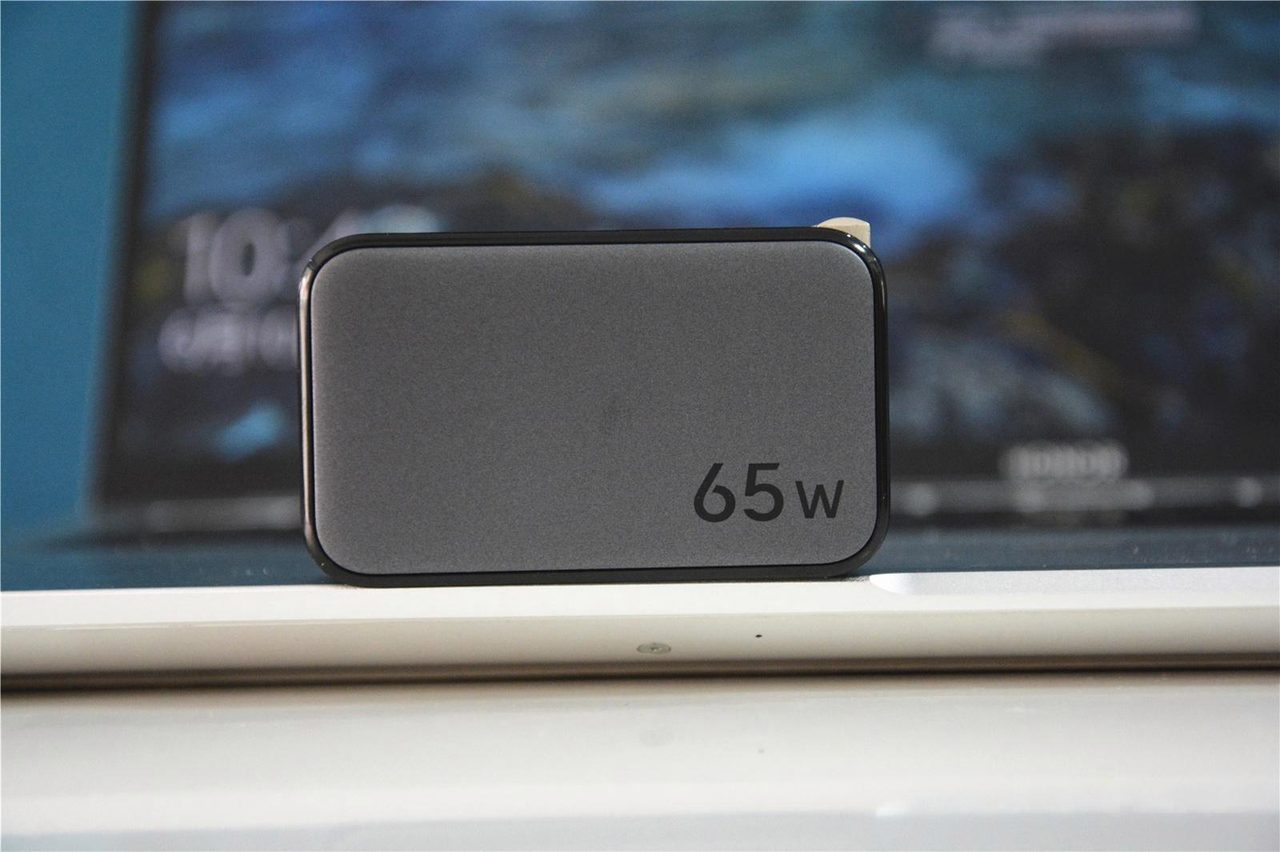
Multi-port chargers share their total output across the ports in use. A 65W three-port unit delivering to three devices does not give 65W to each; it splits the budget according to a fixed or dynamic allocation scheme, and the allocation is usually printed in the manual rather than on the box. Two behaviours are worth checking before buying. The first is what the split looks like with all ports occupied, because a 65W charger that drops to 45W + 18W + 7.5W is a very different product from one that holds 45W + 20W. The second is whether the allocation is dynamic: a charger that reallocates power as devices finish charging keeps the fastest device at full speed, while a fixed scheme leaves it stranded on a lower profile.
Protocols: USB PD, PPS and the vendor fast-charge modes
USB Power Delivery is the baseline that everything modern supports, and the revision matters. PD 3.1 raised the ceiling to 240W and introduced fixed voltages above 20V, which is what makes single-cable laptop charging practical. PPS (Programmable Power Supply) allows the charger and the device to negotiate voltage in small continuous steps rather than jumping between fixed levels; this is what Samsung and several Android vendors use for their fastest charge rates, and its absence is the usual reason a phone charges at a moderate speed on a high-wattage charger.
Vendor modes sit on top of PD. They are proprietary, they require a matching cable, and they only reach their headline numbers on that vendor's own devices. A charger that advertises a 120W vendor mode is not a 120W charger for anything else - on other devices it behaves as a 65W PD unit. That is not a defect, but treating the headline figure as universal is the single most common source of disappointment in this category.
What gallium nitride actually changes
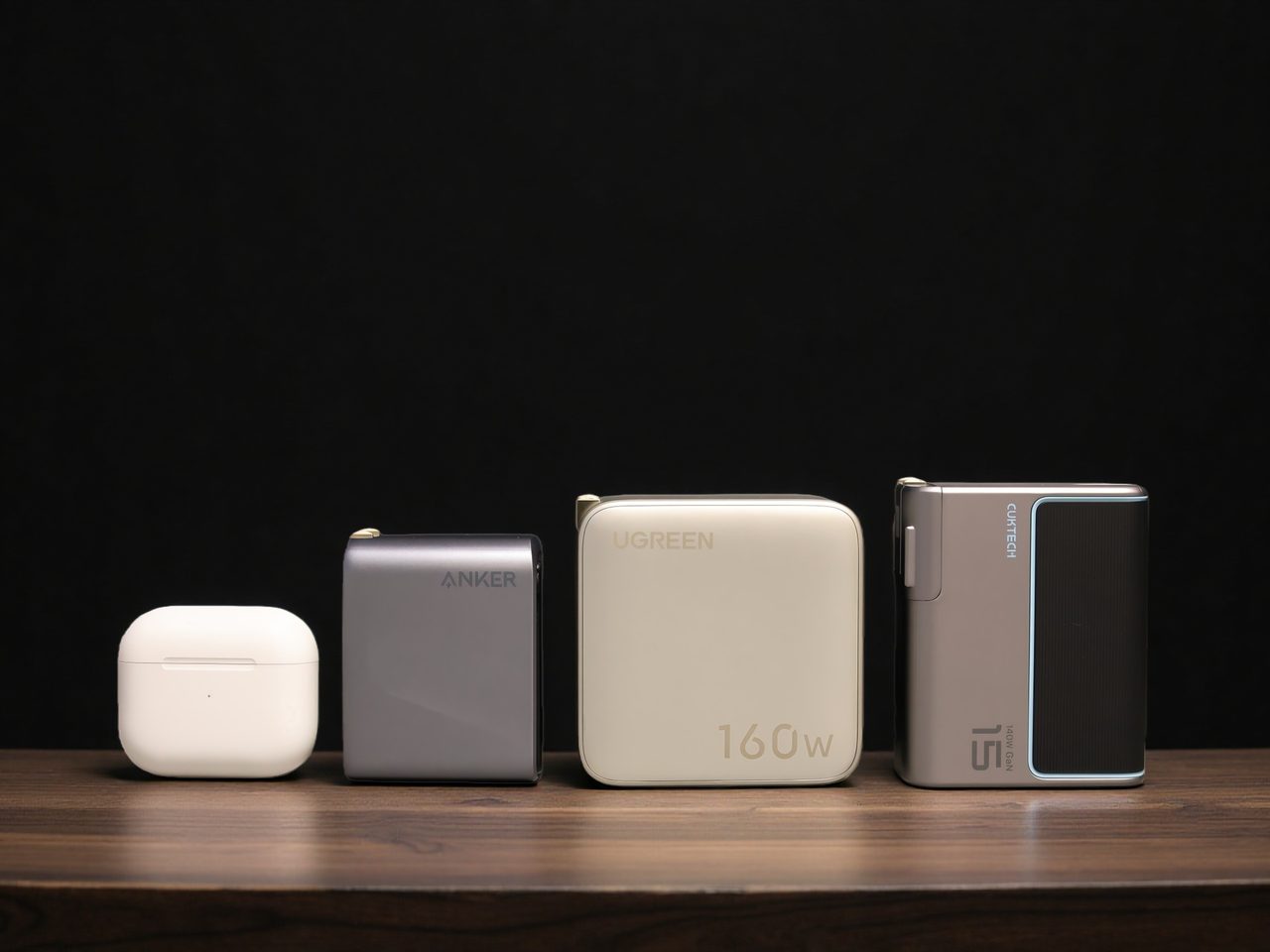
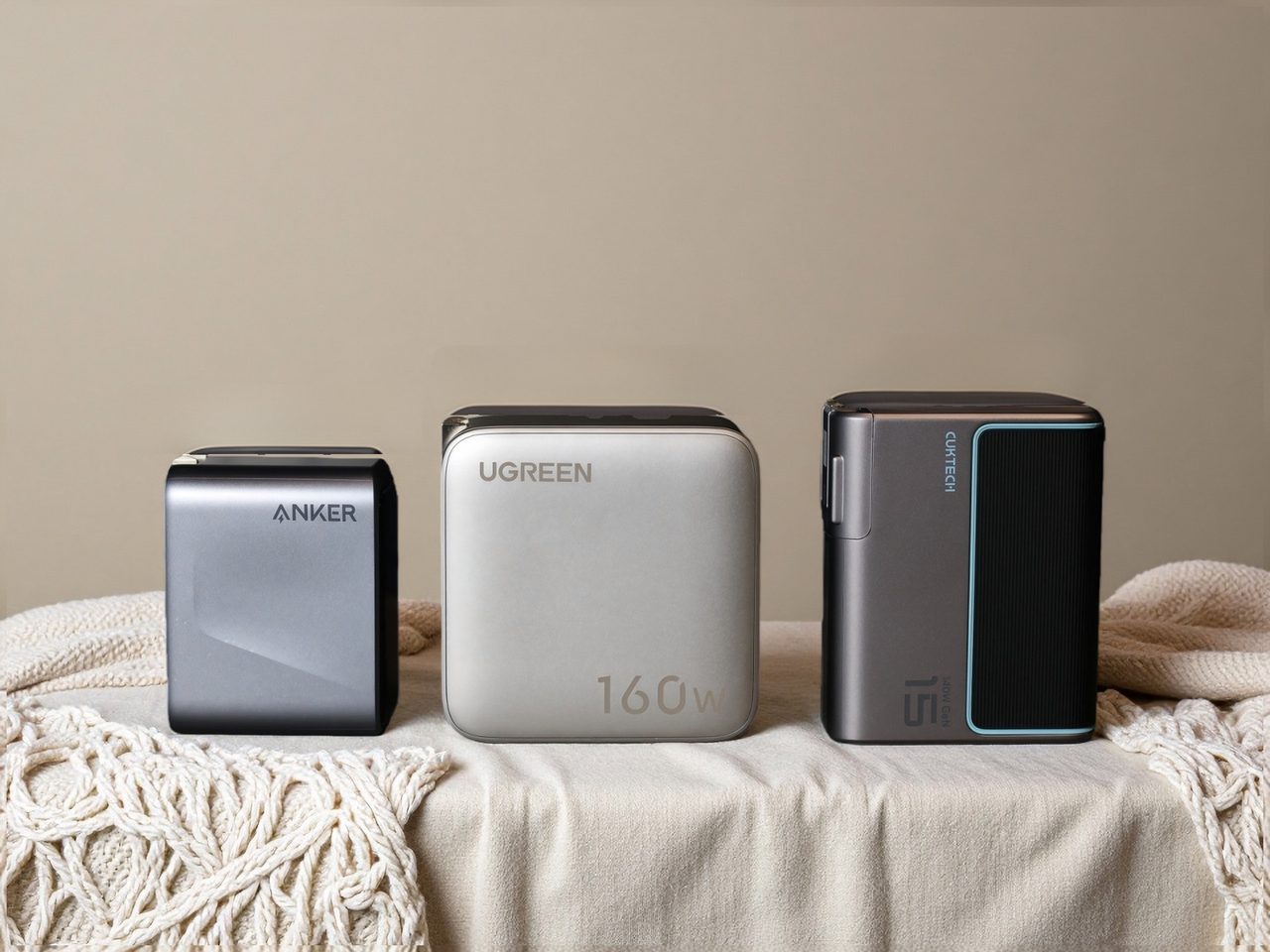
GaN is a semiconductor material, and it replaces silicon in the switching stage of the power supply. It does not make charging faster. What it changes is how much heat the switching stage produces and how fast it can switch, and both of those let the same output fit into a smaller housing. A 65W GaN charger is typically half the volume of a comparable silicon unit and runs cooler at the same load. That thermal headroom is also what made high-wattage multi-port chargers practical in the first place: a silicon design at 140W across four ports would need a heatsink and a footprint that no one would carry.
Certification and the parts that are not visible
Mains-connected hardware is the wrong place to optimise on price alone. The relevant marks are regional - UL and ETL in North America, CE and the applicable EN standards in Europe, UKCA in Britain, PSE in Japan, and equivalent schemes elsewhere - and they cover insulation distances, creepage, over-temperature shutdown and fault behaviour, none of which can be judged from a photograph. A charger that operates at high power density without a recognisable mark has an unknown failure mode, and the failure mode of a mains device is not a dead battery.
How products are covered in this section
Every guide in this section separates three kinds of statement. Published specifications are attributed. Measured values are labelled as measurements and carry the conditions they were taken under. Manufacturer claims are quoted as claims and are never presented as independent results. Where two products are compared, the comparison states what was measured, over what period, and what the measurement does not cover. Retail links are disclosed as affiliate links, and no product can pay for coverage or influence how it is assessed.