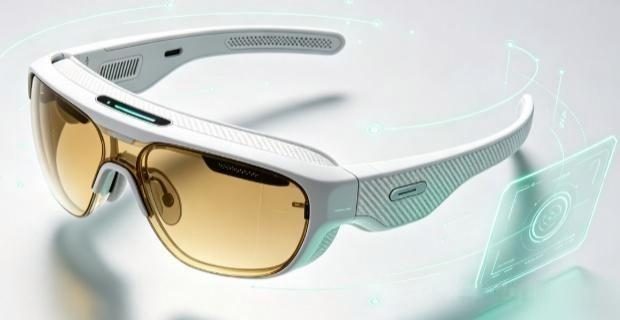
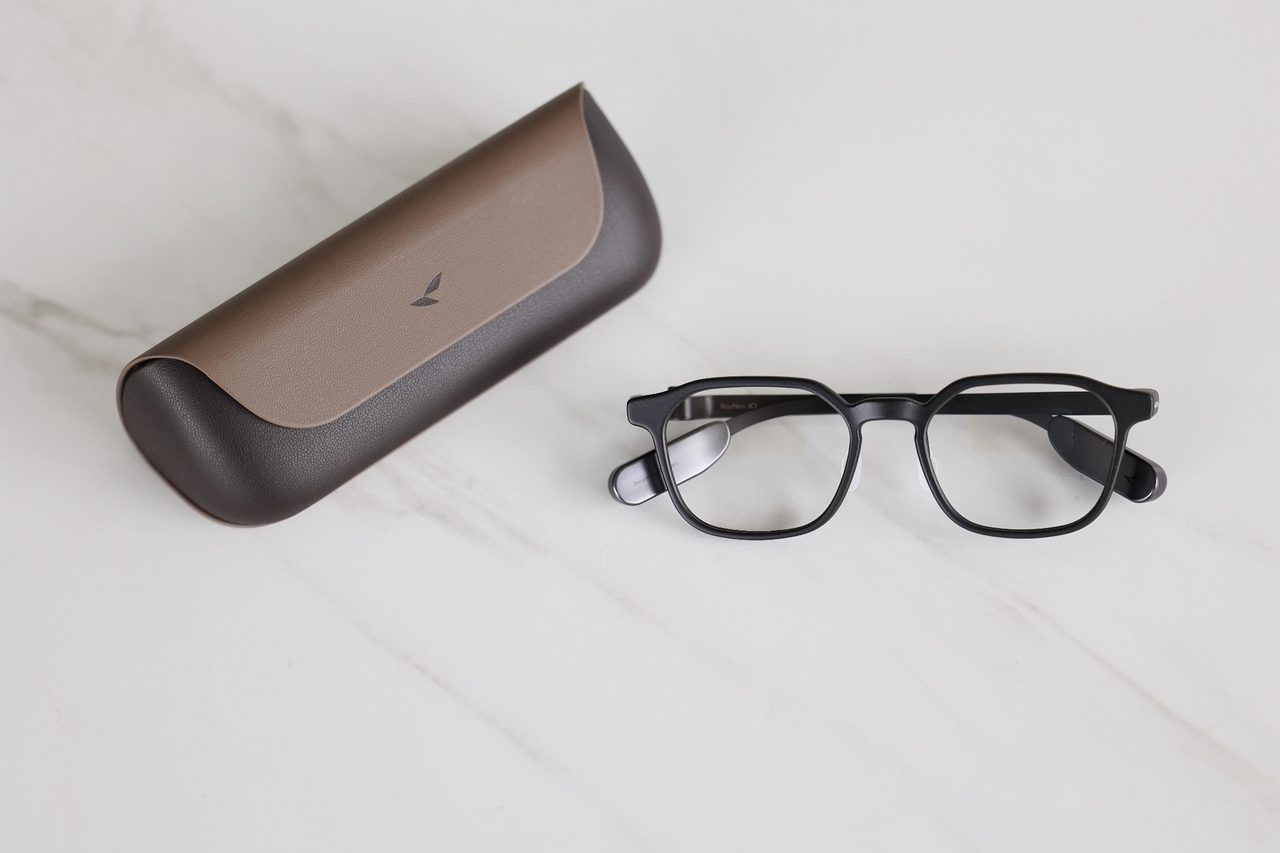
Meta and EssilorLuxottica have announced a new smart glasses line sold under Meta's own brand rather than under a licensed eyewear brand. The line keeps the camera-and-audio configuration that made the earlier Ray-Ban collaboration successful, and expands it into a broader product family positioned on design, an always-available assistant and a lower entry price.
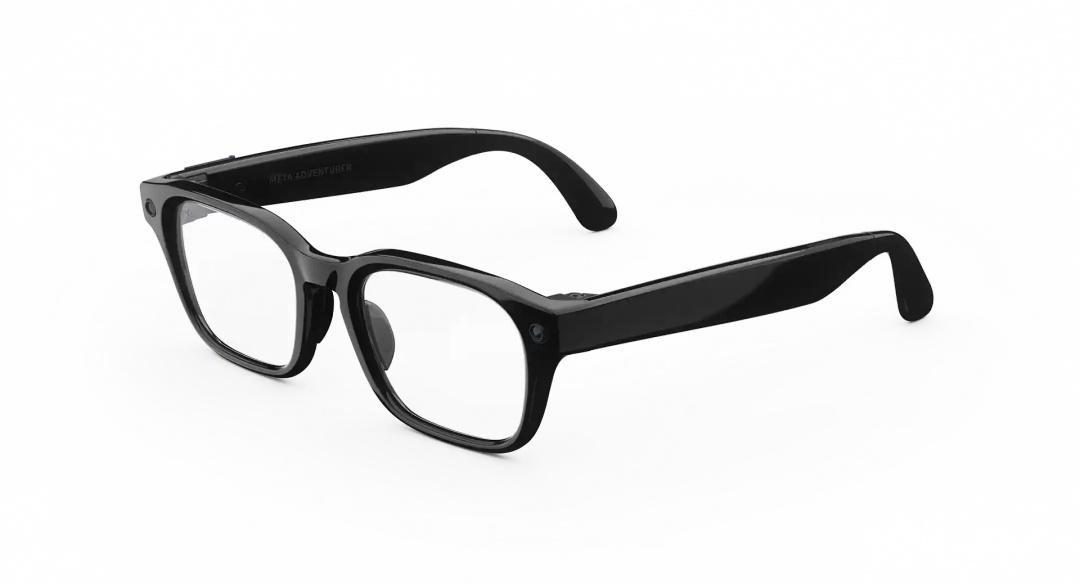
The change that matters commercially is the branding. These frames carry no Ray-Ban or Oakley marking, and the Meta wordmark sits at the temple tip instead. After several years of building the category behind someone else's eyewear brand, the manufacturer is establishing a product line it controls directly.
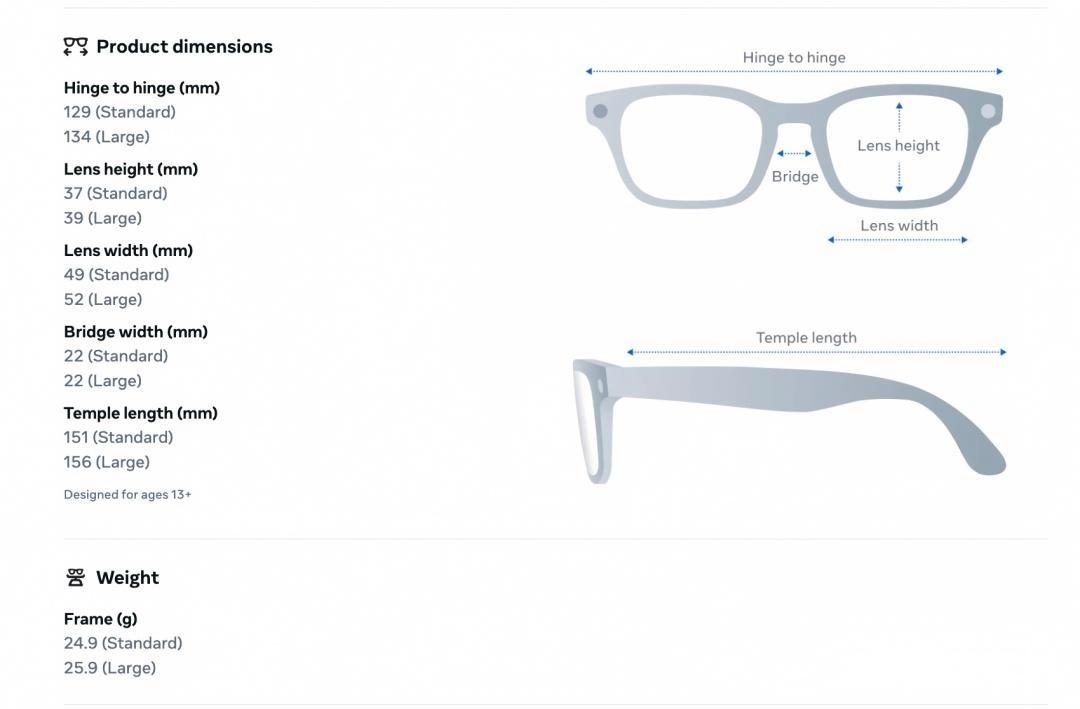
Standard-version weight is quoted at 53.77 g, with a larger frame at 54.76 g. The starting price is US$299, which undercuts the equivalent Ray-Ban collaboration frame by a considerable margin.
Three frame families, 26 combinations
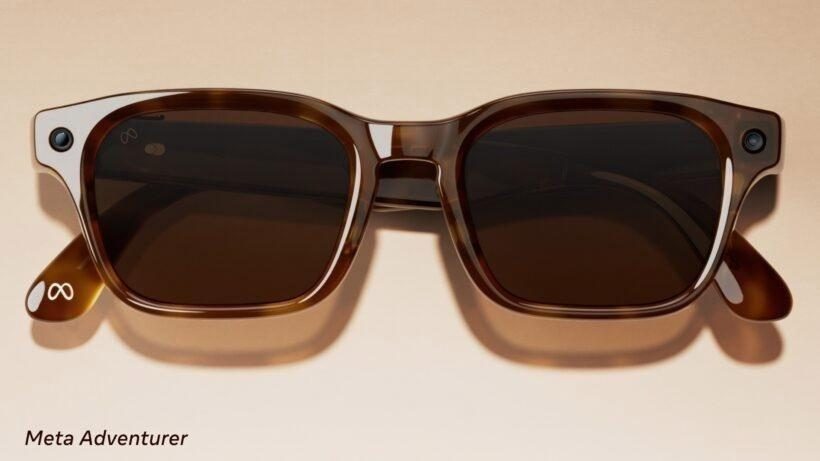
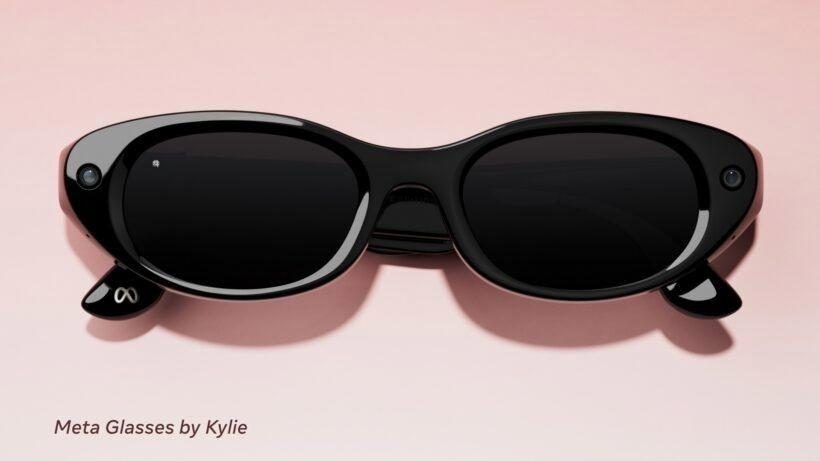
Three frame styles are offered. The first is a classic rectangular shape positioned as the broadly wearable option. The second uses a bolder outline for buyers who want the frame to be noticeable. The third is a designer collaboration with a narrow oval shape and a distinctly fashion-led character.
Colour options across the range include black, tortoiseshell, a dark green, a light neutral, a deep red, a mahogany brown and a sand tone. Lens options cover tinted sunglasses, polarised lenses, photochromic lenses that darken in sunlight, and clear lenses. Combined, the frame and lens matrix produces 26 configurations - a scale of choice that only an eyewear manufacturer's supply chain can support, and the clearest evidence of what the EssilorLuxottica partnership is actually for.
Wearing comfort is addressed with hardware rather than with material choice: three-way adjustable nose pads, adjustable temple tips and an over-extended hinge, all aimed at fitting more face shapes with one frame. Prescription lenses are supported from -6.00 to +2.25 dioptres, and - significantly for anyone who has priced this category before - lenses can be fitted later at a participating optician without affecting the warranty.
The frame shapes continue a line documented under Ray-Ban Meta, and the familiarity of that shape is a large part of why the category reached a general audience at all.
Camera, audio and battery
There is no display. This is the audio-and-camera configuration, and the components are conventional for the class rather than exceptional.
The camera is a 12 MP ultrawide unit with a 100-degree field of view, capturing stills at 3024 × 4032 and video at 3K and 30 frames per second, with additional 1080p and 720p modes, timelapse and slow motion. Internal flash storage is 32 GB, quoted as roughly a thousand photographs or more than a hundred thirty-second clips.
Audio uses open-ear speakers with adaptive volume that responds to the surrounding noise level - keeping the wearer aware of their environment while still delivering music, podcasts and calls. Speech capture uses a six-microphone array distributed across the nose bridge, the temples and the front of the frame, combined with wind-noise suppression, which is the arrangement that makes outdoor calls work rather than merely exist.
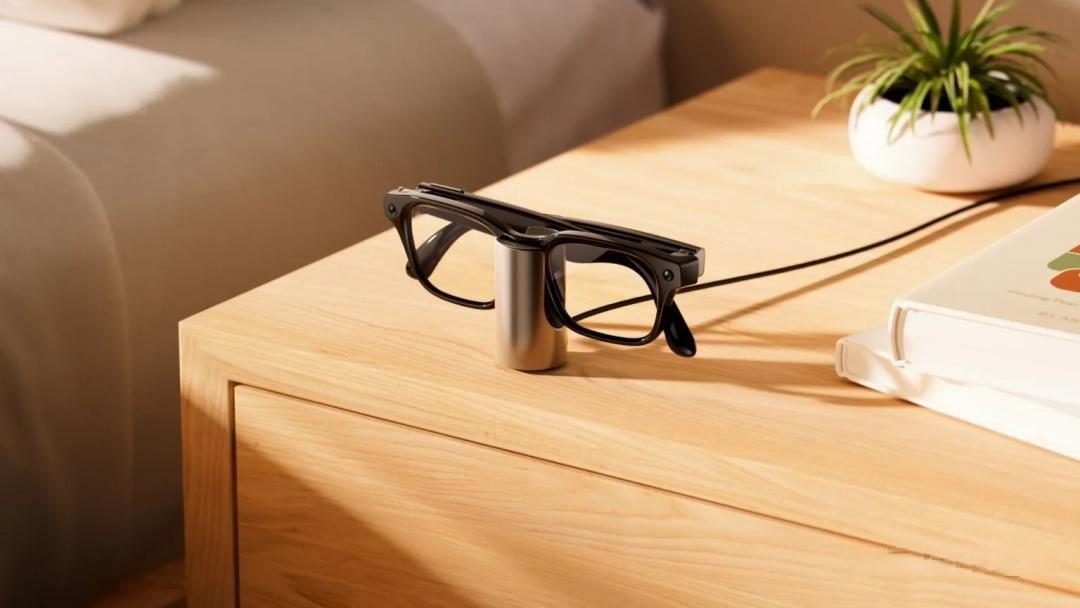
Battery life is quoted at more than eight hours per charge, with the folding charging case adding about 40 hours. A separate wireless charging stand is also offered, which is a smaller object to keep on a desk than a case, at the cost of leaving the frame unprotected.
Connectivity is Wi-Fi 6 on three bands, Bluetooth 5.4 and a low-energy Bluetooth link. Phone support starts at iOS 17 and Android 10, and the glasses still require a phone - there is no standalone mode.
The in-house multimodal assistant
The substantive change in this generation is the model behind the assistant. A multimodal model developed by the manufacturer's superintelligence research group is being deployed on the glasses for the first time. Multimodal here means the model can combine what the camera sees with what the microphone hears and with the surrounding context, rather than answering from text alone.
In use that produces a set of behaviours that are easier to demonstrate than to describe. Asking about a restaurant while standing outside it, for example, surfaces menu recommendations, opening hours and reviews without the wearer touching a phone. During travel, the same interaction returns information about a landmark in front of the wearer and directions to the next one.
Live translation has been extended to 20 languages, including a substantial group of new ones covering Chinese, Japanese, Korean and Hindi. Content functions have been added as well. A photo mode captures a burst and selects the best frame automatically; walking navigation is delivered as voice prompts, which suits a device with no display; and a music function selects a track from a description of the scene in front of the wearer.
Walking navigation is the most consequential of those. A display-less pair can only deliver directions as audio, and getting that right is what makes the format usable for a task that currently requires looking at a phone while moving.
An assistant built around one task rather than many, and the argument for that restriction, is the subject of the iFLYTEK AI Glasses review.
Where this leaves the category
Competition has intensified quickly. Google has announced a smart glasses project with a different eyewear partner, built around its own model. Snap has released a smart glasses product at a substantially higher price, positioned by its chief executive as a successor to the smartphone rather than an accessory to it.
Against that, the own-brand launch reads as an attempt to stop depending on a licensed eyewear brand for design credibility while retaining the supply chain that makes the frames possible. It is also a recognition that the display-less configuration - camera, audio, assistant, no optics - is the one that has actually sold in volume. The company's earlier bet on head-mounted headsets has not produced a mainstream device; the glasses line has.
For buyers, the practical effect is a lower entry price, more frame and lens choice than the category has previously offered, and a clearer picture of what a current-generation pair does. It takes photographs, plays audio and answers questions, and it does not put anything in front of the eye.
The pair this line grew out of, assessed over a period longer than a launch window allows, is the subject of Ray-Ban Meta after two months.