Most people who would wear smart glasses need glasses, and the way a manufacturer handles that fact decides whether the product is usable at all. There are two approaches, and the difference between them is structural rather than cosmetic.
Inserts against integrated correction
| Approach | How it works | Consequence |
|---|---|---|
| Prescription insert | An additional corrected lens sits behind the smart lens | Adds thickness and weight; must be ordered per model; can be swapped between frames of the same model |
| Integrated prescription lens | Correction is ground into the optical element itself | Thinner and lighter, but the lens is specific to the frame and cannot be moved |
Where a display is involved, a further constraint applies. The combiner that projects the image depends on precise alignment with the eye, so correction has to be introduced without disturbing that geometry. High myopia, high astigmatism and prism correction are the values most often outside a supported range, and each one should be confirmed against the manufacturer's published limits rather than assumed.
The three costs correction adds
- Money. Inserts are made to order and are priced separately from the frame. On several models the correction costs a meaningful fraction of the device itself, and non-standard values cost more again.
- Weight. A second optical element sits at the front of the frame, where extra mass is most noticeable. A pair that is comfortable without correction can become marginal with it, and the nose pads carry the difference.
- Time. Correction is usually manufactured after ordering, so delivery is measured in days to weeks rather than the same day a stock pair would ship.
What to confirm before ordering
- The supported spherical and cylindrical range, and whether prism is accepted.
- Whether the insert is supplied by the manufacturer or by a third party, since that determines who supports it if the prescription changes.
- The measured weight of the frame with correction fitted, where the seller can provide it.
- Whether a change of prescription later requires a new frame or only a new insert.
- The return position on made-to-order lenses, which is usually more restrictive than on stock frames.
Where to start
- Display AR glasses compared — prescription handling compared across five display models.
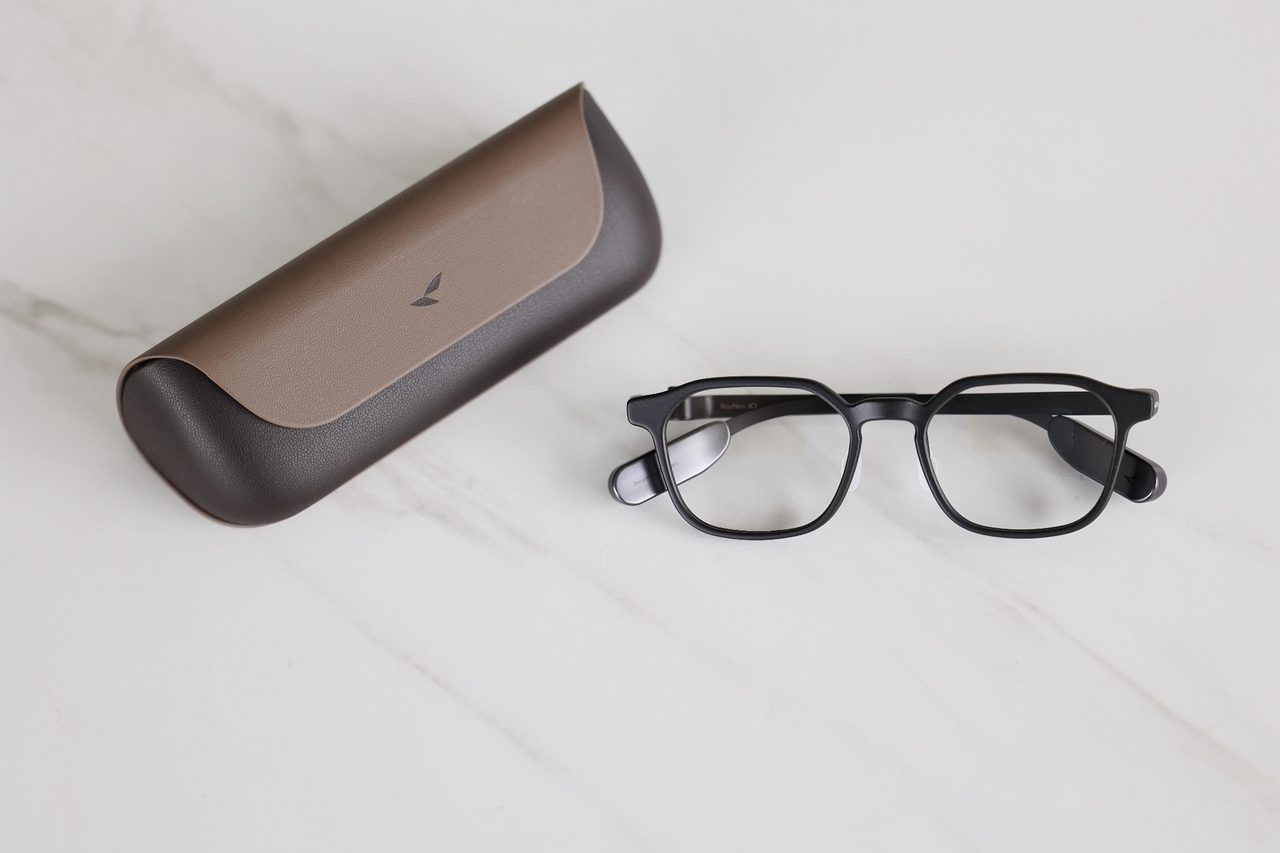
- RayNeo iO review — a light frame assessed with correction in place.
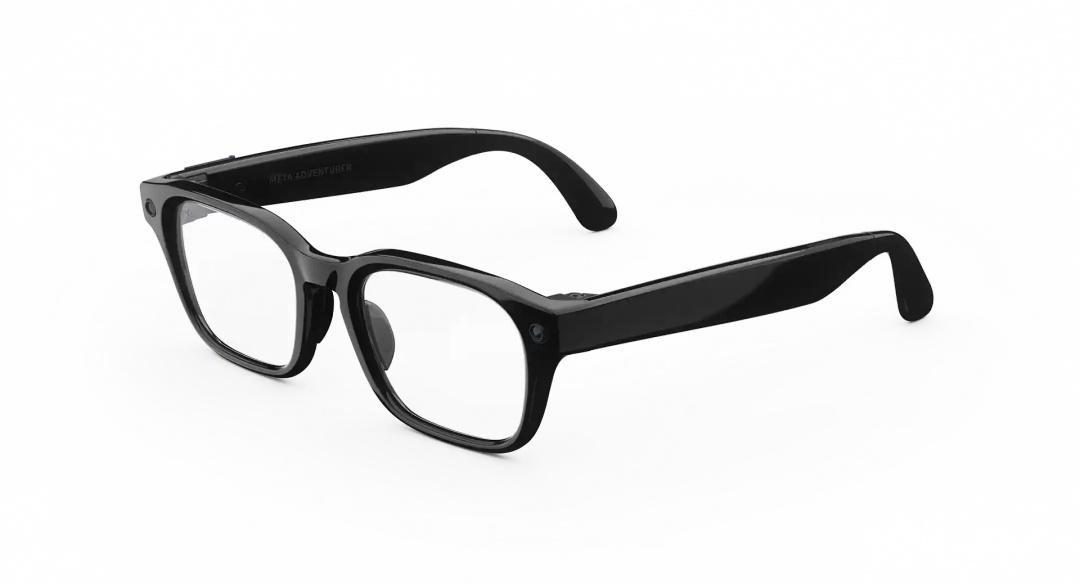
- Meta Glasses launch — 26 frame and lens combinations, including prescription paths.
Where to buy a prescription AI glasses
This category page links out to a retailer once the final product link is confirmed. Outbound purchase links are treated as affiliate links and are disclosed in the Advertising Disclosure.
Price link pendingOutbound product link pending. Set the "prescription-ai-glasses" key in .workbuddy/tools/product-links.json, then re-run the build, to activate this button.