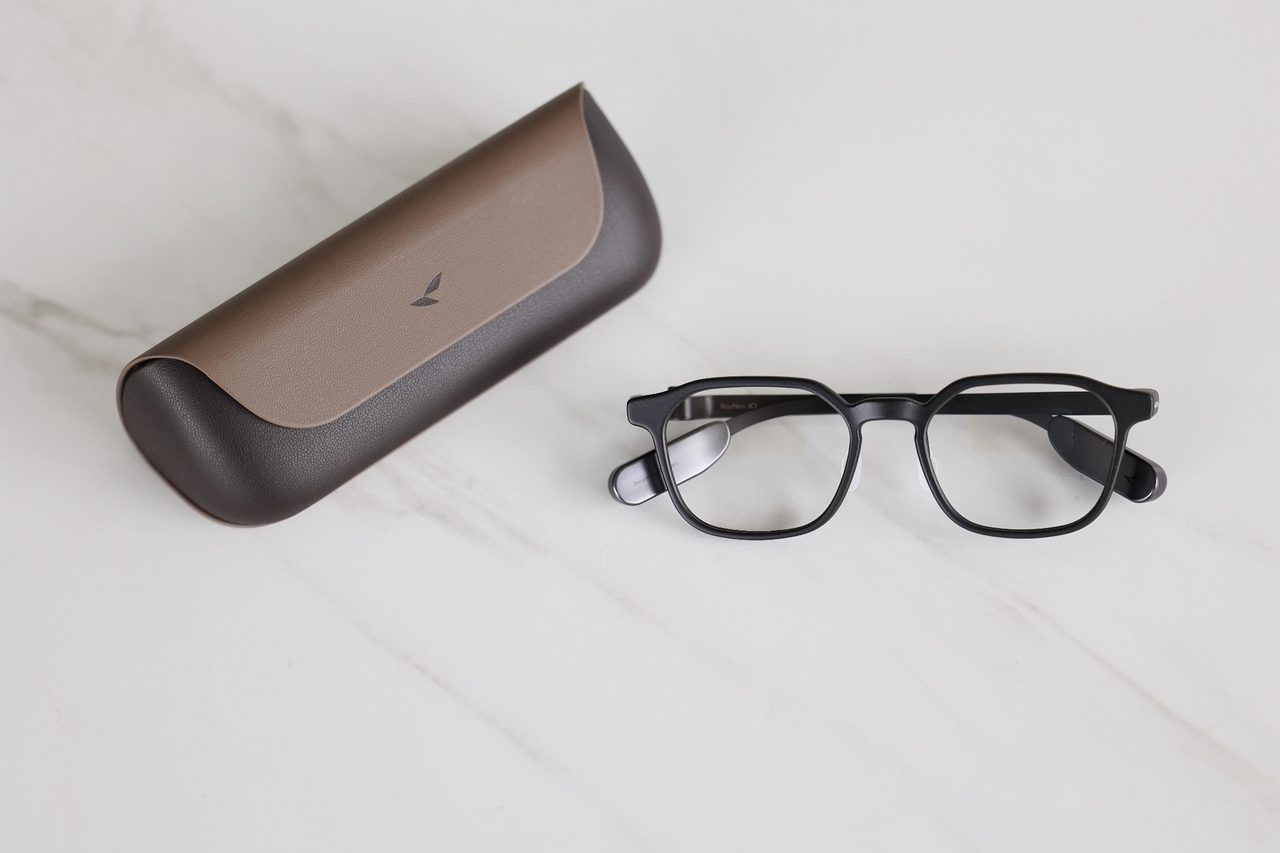
Display smart glasses are usually sold on a feature list. That is the wrong way to choose one. The feature names repeat across every model - translation, teleprompting, meeting capture, AI assistant - while the experience behind those names differs completely. The useful question is narrower: what does the wearer need to do most days, and what does that task require of the hardware?
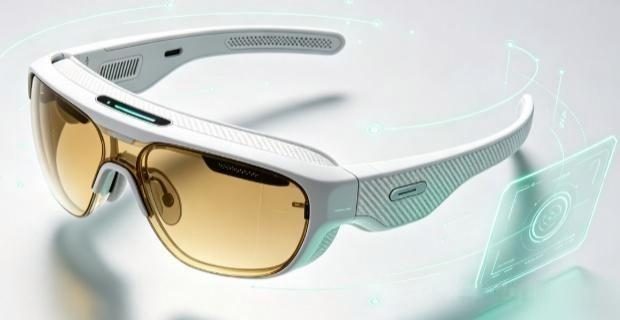
Four tasks account for most of the demand. Understanding a language that is not your own. Reading a script or notes without looking down. Capturing a meeting or a lecture without holding a device. And shooting a photo or a clip without taking out a phone. Each of those pulls the design in a different direction, which is why no single pair wins on all four.
For anyone who wears prescription glasses, a second cost sits alongside the first: the display has to be built into a lens that also corrects vision. Whole-frame designs require the lenses to be made to order by the manufacturer. Clip-on designs leave the wearer's own frame and lenses untouched. Which approach is better depends entirely on how the glasses are used.
Start from the task, not the specification
| Model | Task it suits | What to test first |
|---|---|---|
| RayNeo iO | Information display without a camera: subtitles, translation, teleprompting, AI notes | Prescription fitting, subtitle position and how text is navigated |
| StarV Air2 | Translation, teleprompting and meeting assistance in a work context | Compatibility with your own phone, and how text is read and moved through |
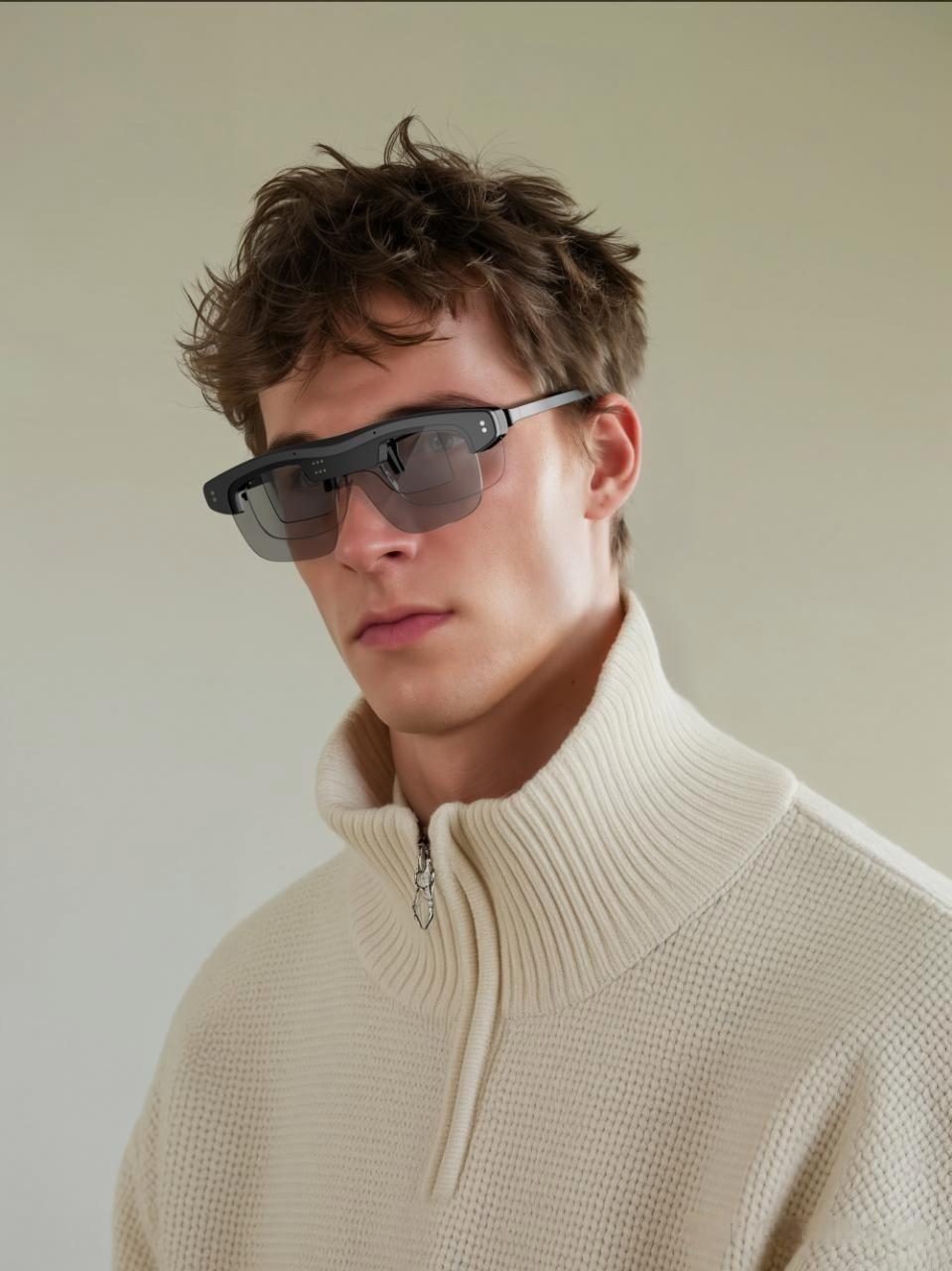
| Xuanjing M5 (clip-on) | Adding a display, voice translation and reading assistance to glasses you already own | Whether the clip fits your frame, the combined weight, legibility |
| INMO GO3 | Translation, meeting recording and teleprompting, with shooting alongside | How the languages you actually speak behave, plus fitting and accessories |
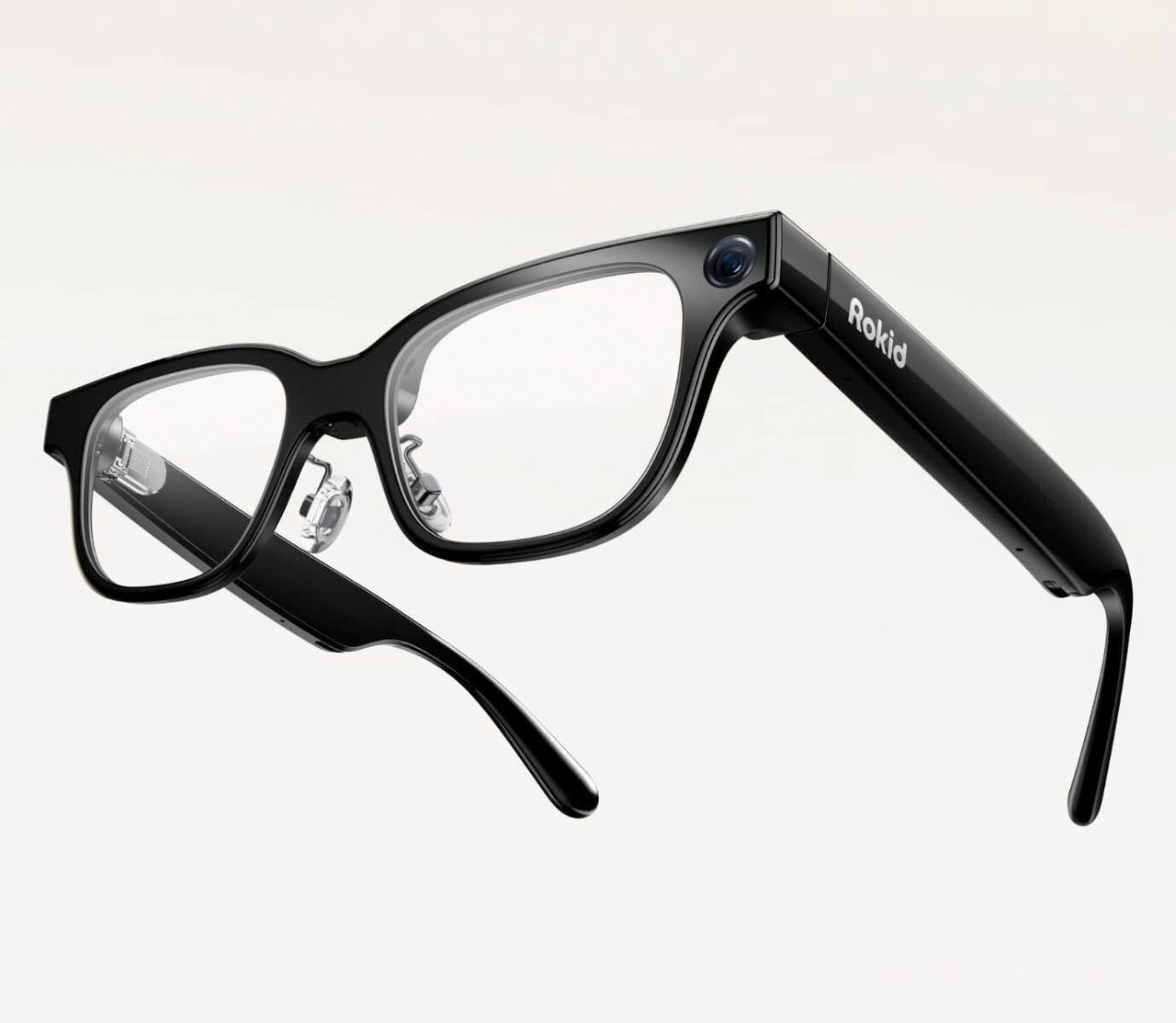
| Rokid Glasses (display version) | Shooting, translation, display and AI used interchangeably | Prescription fitting on the display model, switching between functions, comfort |
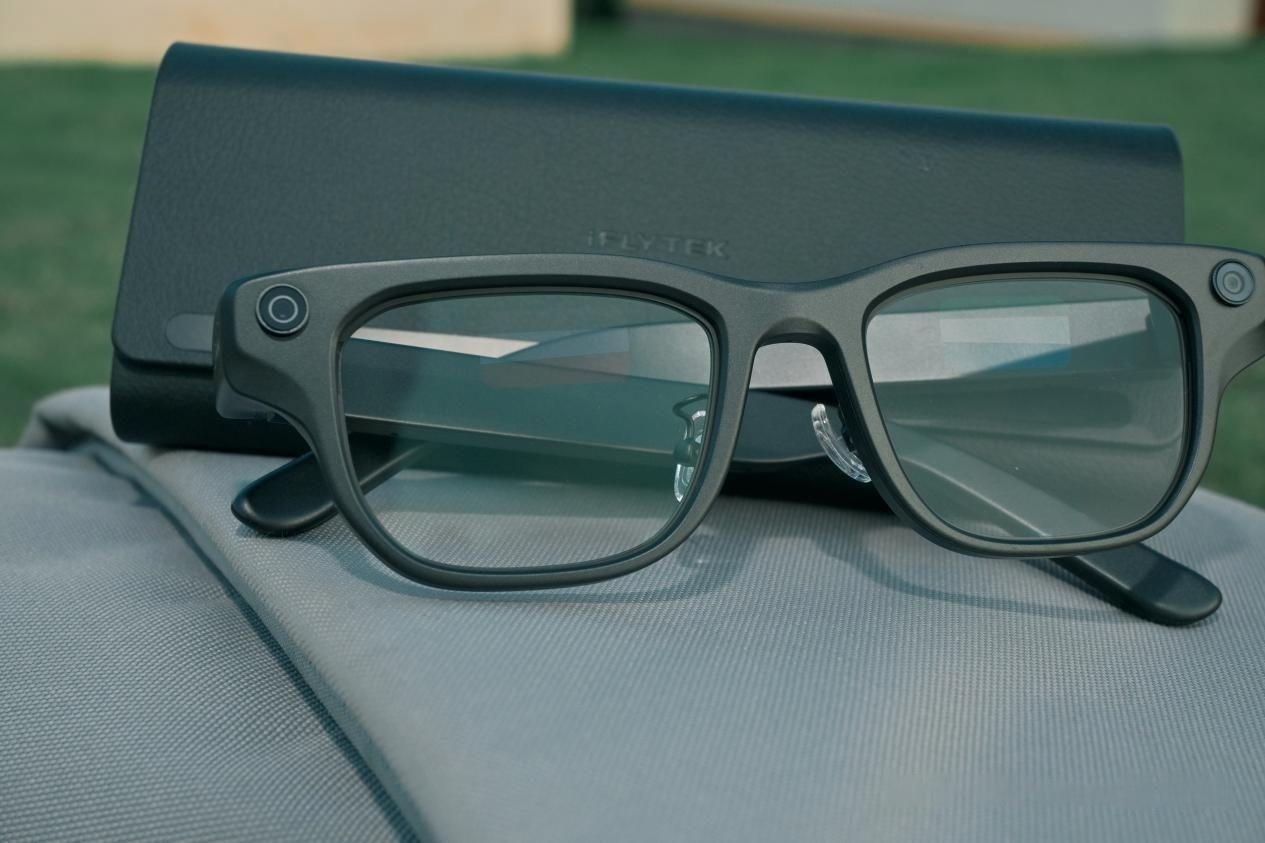
Two models in this group have a camera and three do not, and that single difference determines more of the day-to-day behaviour than any specification on the page. A pair without a camera cannot be asked what it is looking at. A pair with one has to answer the question of when it is recording.
A buyer whose task is capture rather than display is choosing between a different set of devices entirely, compared in AI glasses for video.
What the display actually delivers
Every model here projects an image into the wearer's eye through a waveguide or a small optical engine in the temple. The variables that matter are how large the virtual image appears, how much of the frame the optics occupy, whether the image is monocular or binocular, and whether the colour rendering is full colour or a single green.
Monochromatic green is not a downgrade in every case. It is legible, it is bright, and it draws less power than a full-colour engine, which is why several designs use it. Full colour is what makes subtitled video and map imagery usable. Brightness figures are quoted in nits measured at the eye, and a figure in the low thousands is what makes the display readable in daylight rather than indoors only.
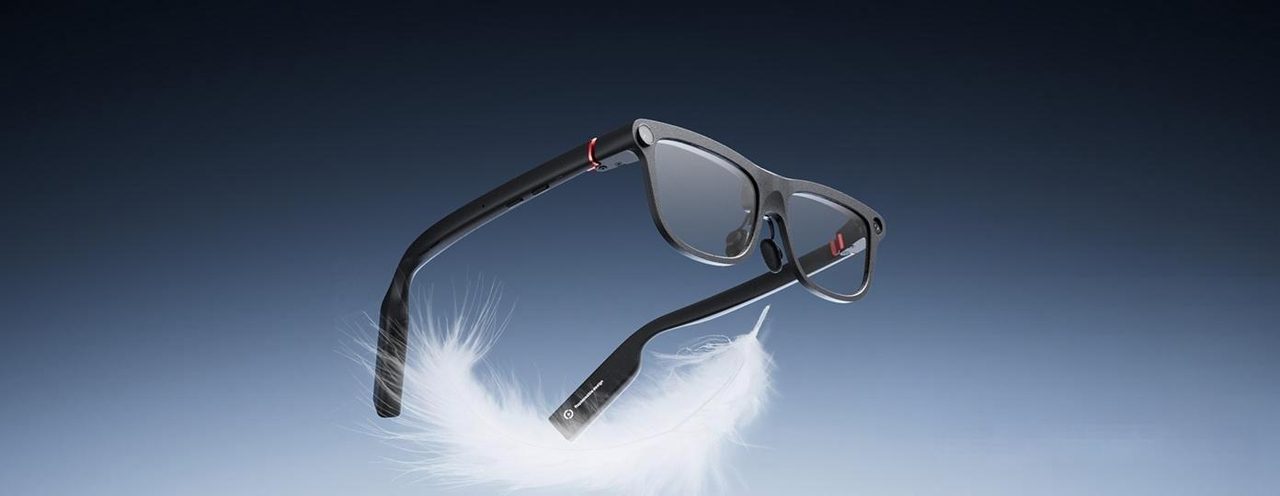
Something that is rarely mentioned in product listings: the optical region of a waveguide transmits less light than the rest of the lens, which is why some display glasses look darker in the centre when viewed from the outside. Designs vary considerably here, and it is easier to judge in person than from a photograph.
The optical arrangements behind these results belong to a wider class of device, surveyed under smartglasses, which is useful background before comparing two display technologies by name.
The five models in detail
RayNeo iO
A camera-free design built around text and AI assistance. The manufacturer lists information display, live subtitles and translation, a teleprompter and AI note-taking, with the companion app adding AI recording summaries, phone notification mirroring and a chat assistant. Published weight is 34 g, and prescription lenses are supported across a very wide range - quoted at 0 to -10.00 dioptres for this model, which covers severe myopia. For anyone whose main need is understanding a conversation, reading a reminder or keeping a record of one, this is the design to try first. Buyers who also want to shoot have to choose a camera model instead.
StarV Air2
Aimed at work rather than at general use. AI translation, a meeting assistant and teleprompting are the core functions; the meeting assistant covers transcription, a summary and extraction of action points. The practical test is whether those outputs fit an existing workflow. Compatibility notes vary by region and by phone, so the model to check against is the one actually in the wearer's pocket, not the one on the specification page.
Xuanjing M5 - the clip-on option
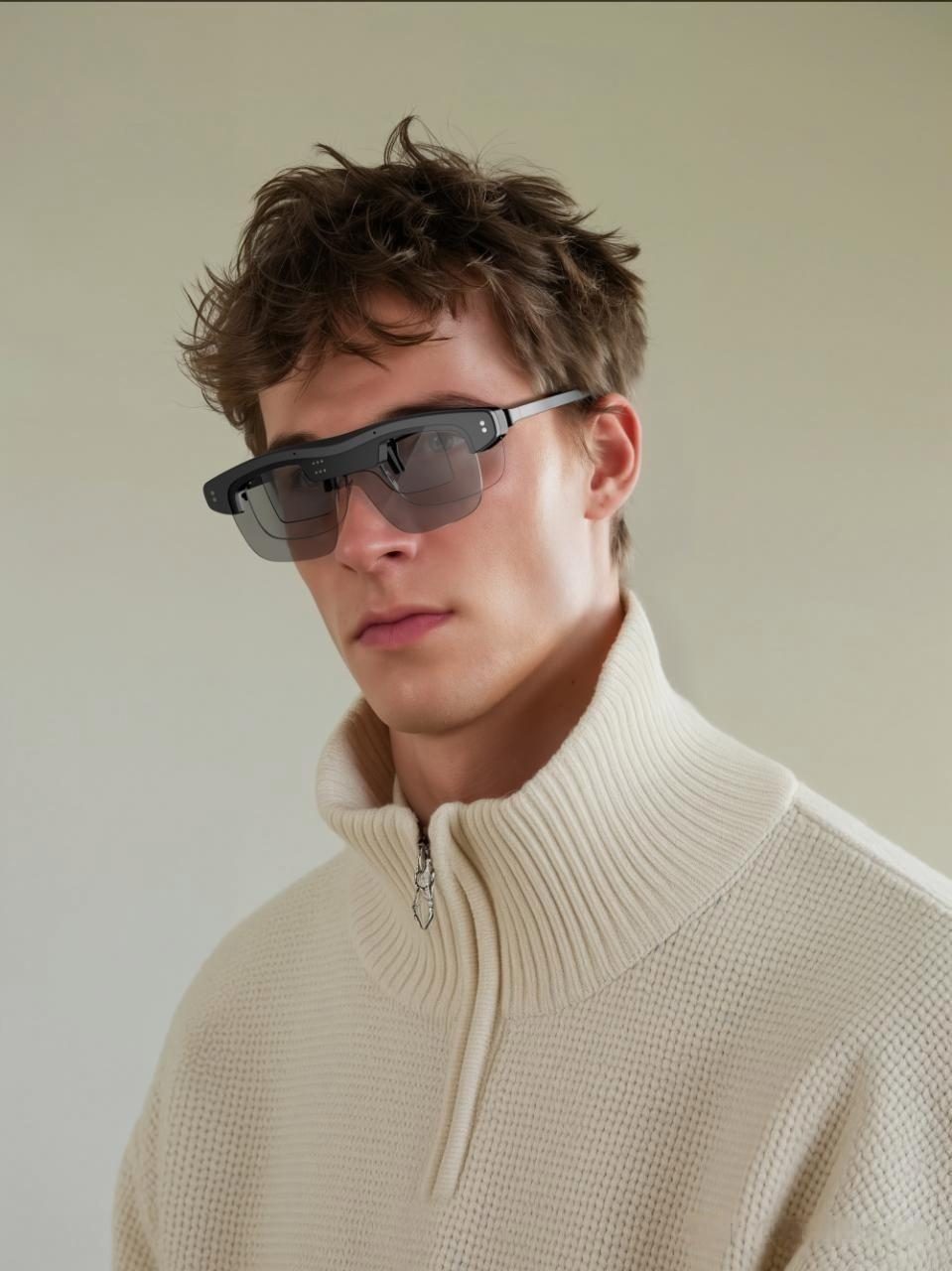
This is the only clip-on design in the group, and the only one that leaves an existing prescription frame in service. The display, AI assistant, voice translation, reading, navigation and teleprompting functions are added when they are needed and removed when they are not. The clip weighs 25.8 g, uses a binocular monochrome green display at 640 × 480 per eye with an in-eye brightness quoted at 1600 nits, and ships with a tinted lens that both changes the appearance and improves contrast for the virtual image. The software platform includes recording transcription with AI organisation - original text, summary, playback and sharing - alongside the assistant, translation and reading functions. The design has no camera. Quoted battery life is about 1.5 hours in translation, and about 3 hours each in reading or navigation.
What the clip-on approach buys is continuity: the frame and lenses already in use stay in use. What it costs is a second object to carry, and a fit question that has to be answered on the wearer's own frame. How firmly does the clip hold, how does the extra weight sit on the bridge, and does the text remain readable at that angle? The design is reported to flip up through 90 degrees, which is worth checking in person rather than assuming.
INMO GO3
Covers photography and video alongside translation, meeting recording and teleprompting, with AI summarising recorded meetings into notes. Translation is the function to test with the languages that will actually be used: speak, read the subtitle, and confirm how the translation reaches the other person. In practice that last step is the one that decides the purchase, because the audio may have to be relayed through the phone or through an accessory rather than through the glasses. The budget should include the accessory and the prescription lenses, not just the frame.
Rokid Glasses, display version
The widest feature set in the group: shooting, binocular display, translation, teleprompting, navigation and AI assistance, with prescription and astigmatism lens options available. Published weight is 49 g, and audio functions include music, calls and answering a call by a head movement. The model that has to be verified is the display version specifically - the same brand sells non-display models, and the configuration cannot be inferred from the name alone.
Fit and prescription handling
Fit is the least glamorous subject in any review of this category and the one that decides how much the device is used. Nose-bridge load and temple pressure accumulate over an eight-hour day, and a pair that is merely acceptable in a five-minute trial becomes noticeable by the afternoon.
Prescription handling deserves the same scrutiny. Some designs quote a very wide correction range and include high-index lens options; others support a narrower range and add cost for the lenses on top of the device. For an existing prescription wearer, the two questions are whether the correction range covers the prescription, and whether the original frame stays usable afterwards.
Total cost, not sticker price

The purchase price is the most visible cost and rarely the largest. Prescription lenses, a second charging path, accessories needed for a specific function and any fitting service all belong in the same budget. Weighing the frame and carrying it for a week before buying is more informative than any comparison table.
How to test a pair in a shop
Read first, listen second, fit third. Reading the same paragraph on every model makes legibility comparable in a way that no specification does. Where audio is part of the design, listen to a playback and check both what the wearer hears and what the people nearby hear. Then check the nose-bridge load, the frame fit and the field of view with the display switched off.
It is reasonable to accept that not every function will be present. The point of the exercise is to find the pair whose primary function matches the primary task, rather than one that performs every function adequately.
Which to try first
- Preserving an existing prescription frame matters most: the clip-on design, tested on your own glasses.
- Subtitles, translation and note-taking are the priority: the camera-free display models, in particular one with a wide correction range.
- Translation and meeting capture for work: the work-oriented models, tested against your own phone.
- Shooting matters as much as display: the camera models, accepting the extra weight and the recording indicator that comes with them.
High-frequency tasks decide the function. Prescription habits decide which physical format can actually be lived with.
One of the five is examined on its own terms over a longer period in the RayNeo iO review.