Most smart glasses in this market try to be everything: a camera, a speaker, an assistant, a display and a headset. The result is usually a device that performs each function adequately and none of them well, with a feature list long enough to make the compromises invisible until the product is on the face.
A narrower approach is more interesting. This review covers a pair built around one capability - translation - with the hardware chosen to serve that capability rather than to fill a specification table.
Translation as the entire product
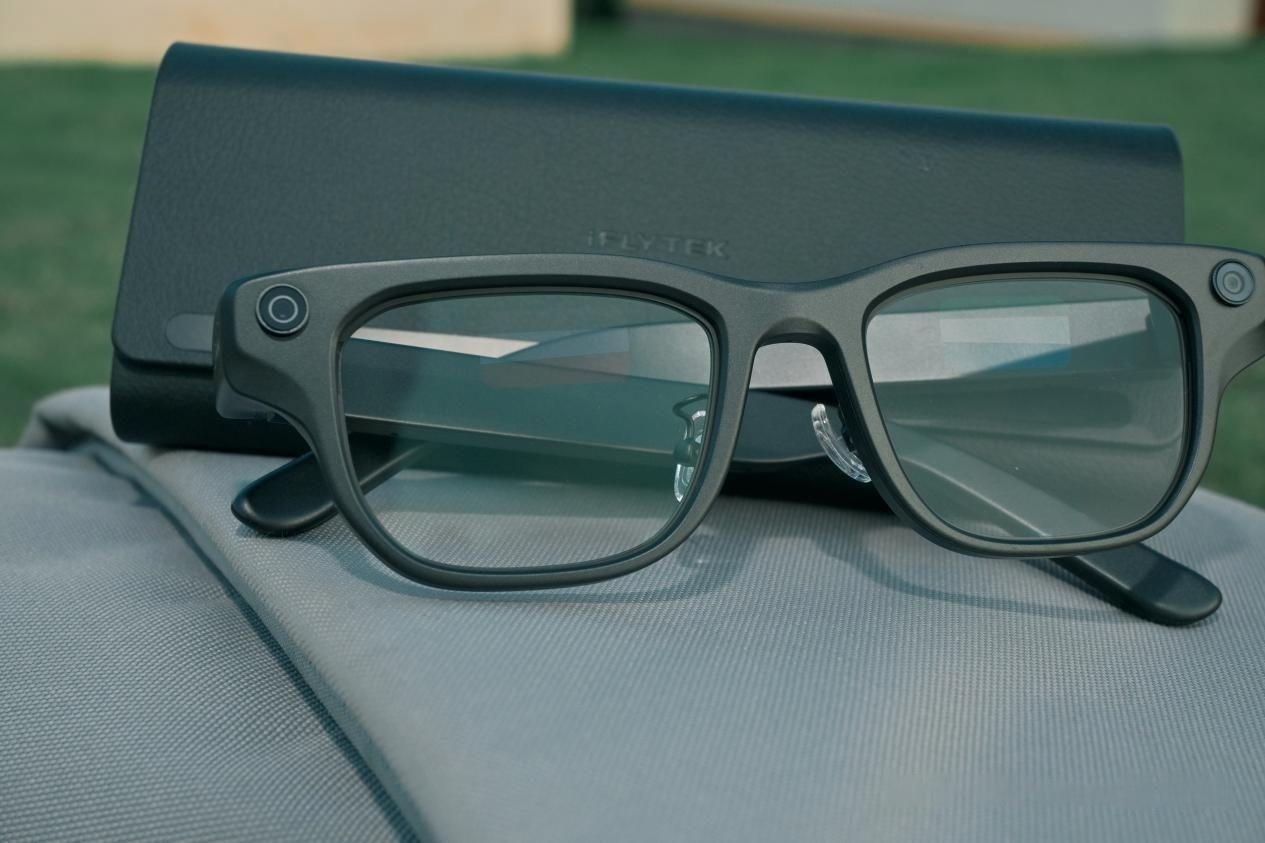
The manufacturer is a speech and natural-language processing specialist rather than an eyewear company, and the product reflects that inheritance. It is not an attempt to put a phone on the face. It is an attempt to remove the friction from a specific and recurring problem: speaking to someone whose language you do not share, and understanding the answer.
The interesting design decision is what that means for the person on the other side of the conversation. Handing a phone or a handheld translator back and forth turns every exchange into a transaction, and that friction is what stops people asking at all. A pair of glasses that stays on the wearer's face removes the handover, and it removes the moment of announcing that a device is about to be used.
Frames that carry a display and treat translation as one feature among several are compared in Display AR glasses compared.
Five translation modes
Alongside conventional photo translation, five modes are supported, and the differences between them matter more than the feature count.
| Mode | What it does | Where it applies |
|---|---|---|
| Face-to-face | Both speakers use the glasses for a two-way conversation | Counters, taxis, shops, short exchanges |
| Listen-in interpretation | Continuous interpretation of a speaker the wearer is listening to | Lectures, conferences, meetings the wearer is attending rather than leading |
| Online simultaneous interpretation | Interpretation of streamed or recorded audio | Recorded lectures and video content |
| Call translation | Translation during a phone or video call | Remote meetings and calls |
| Photo translation | Translation of printed text through the camera | Menus, signage, packaging, forms |
Language coverage is quoted at 122 languages for online interpretation, with 18 languages supported offline in face-to-face mode. Offline matters more than the headline count: a device that needs a connection stops working in a basement, on a plane, or on a roaming connection with no data.
Concentration in a second language is the part most people underestimate. Following a lecture in a language you are still learning costs attention that would otherwise go to the subject. Listen-in mode converts that into text on a phone, and the recording can be summarised into notes afterwards, so the wearer is not simultaneously listening, writing and translating. For a student in a foreign-language institution, that is the difference between keeping up and falling behind.
What makes speech translation workable in a frame rather than a phone is a question of latency and microphone geometry in speech recognition rather than of model size alone.
The microphone array and lip targeting
Translation quality is limited by recognition, not by the language model, and recognition in a noisy room is the hardest case. The hardware combines five air-conduction microphones with one bone-conduction microphone. The array locates the target speaker by direction; the bone-conduction element picks up the wearer's own voice through vibration rather than through air, which makes it largely immune to surrounding noise.
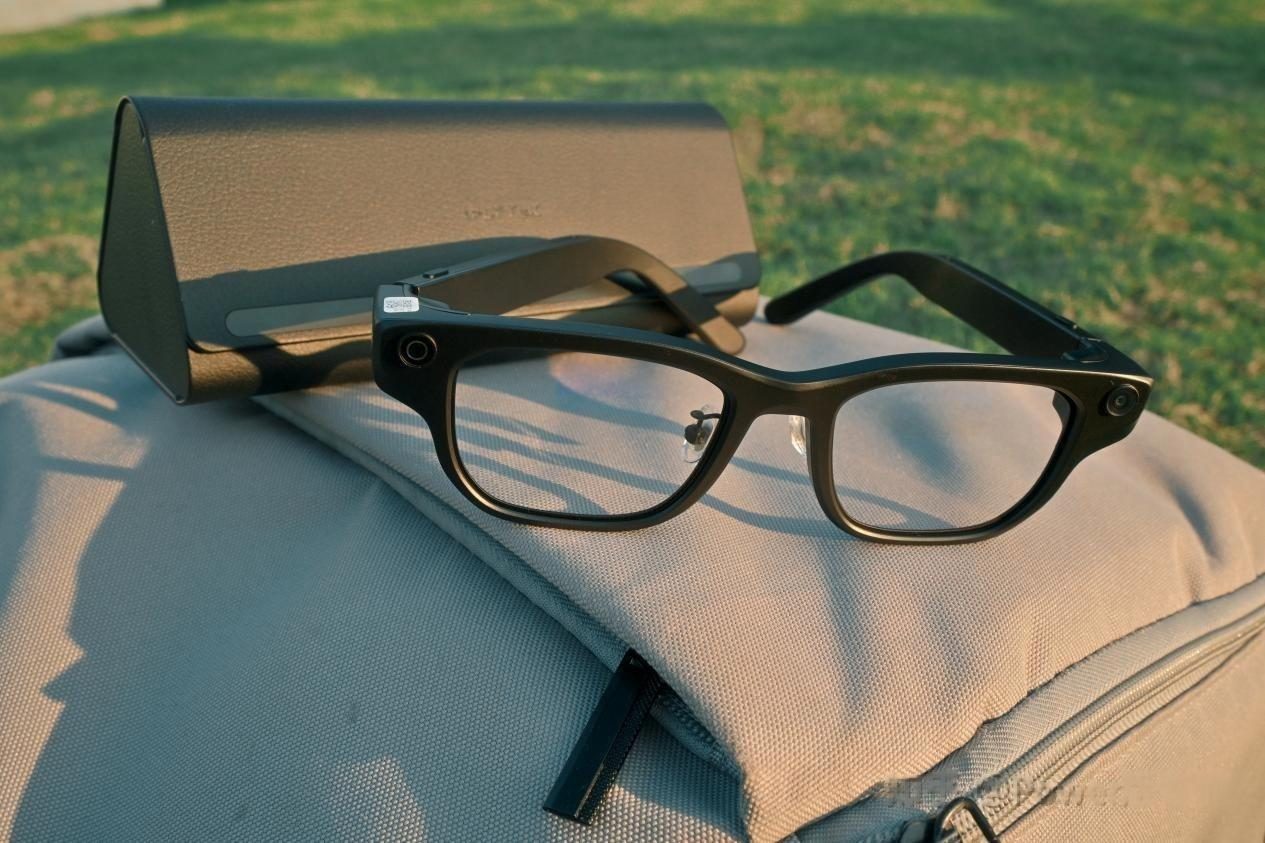
Face-to-face mode adds a second mechanism: a camera above the frame tracks the speaker's lip movement to identify who is talking before the audio is processed. The manufacturer quotes a speech-recognition accuracy improvement of more than 50 per cent from the combination. Whatever the precise figure, the mechanism addresses the real failure mode of a shared device - a conversation in a public place where several voices compete with the one that matters.
The practical benefit is one pair serving two people. The other speaker can read the translation of what the wearer said without holding anything, which is what makes the exchange feel like a conversation rather than an interpretation service.
The assistant, and its limits
An assistant is included, with output-oriented functions such as producing a summary from a recorded session and exporting documents from a desktop application. In practice it is secondary to the translation functions, and that is the right priority for this design.
It is worth being explicit about what a translation-first pair is not. It is not a general assistant, and it is not a camera. Buyers who want an AI device that answers arbitrary questions about the world should be looking at a different product. Buyers who want to stop avoiding conversations in a language they do not speak are the ones this is built for.
The general-purpose assistant this device deliberately omits is the centre of the Meta Glasses launch, which is the clearest statement of the opposite approach.
Hardware and fitting
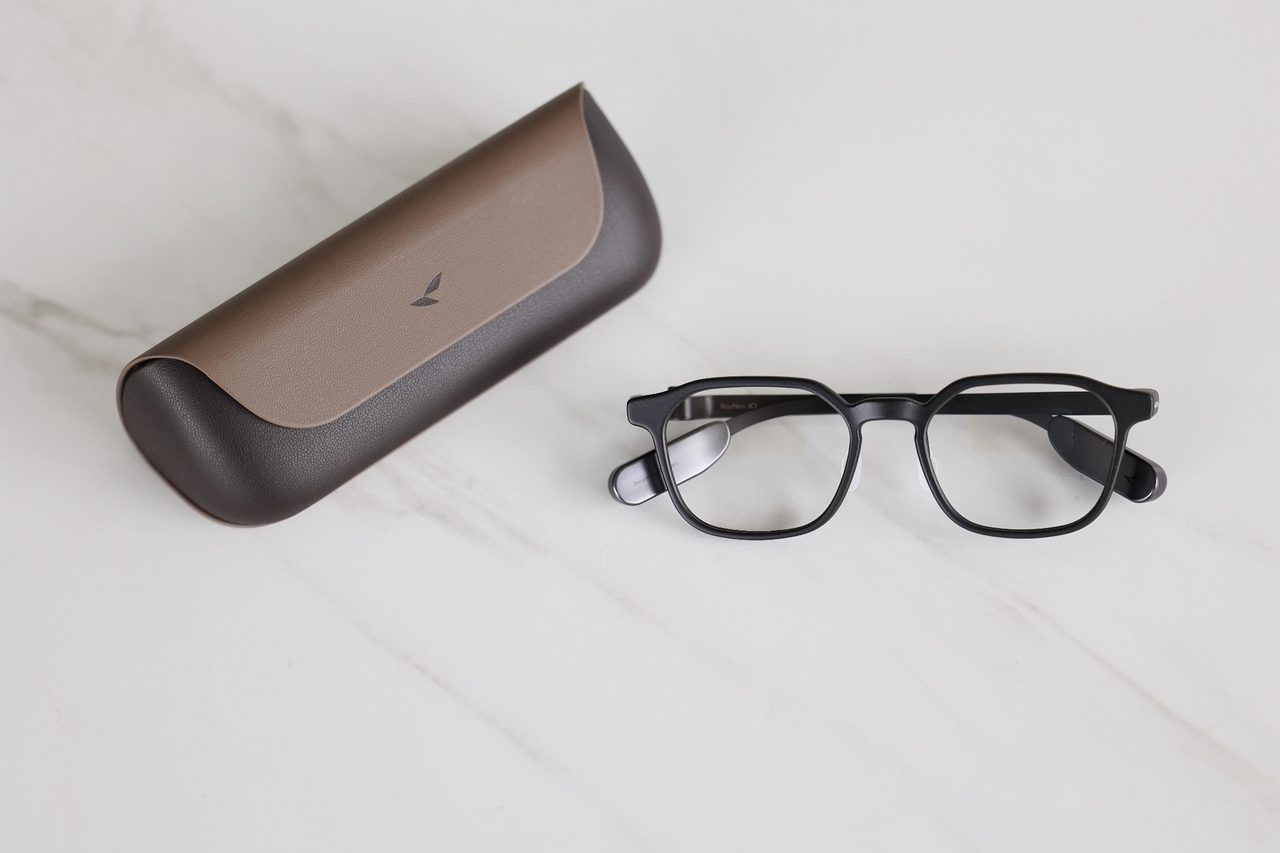
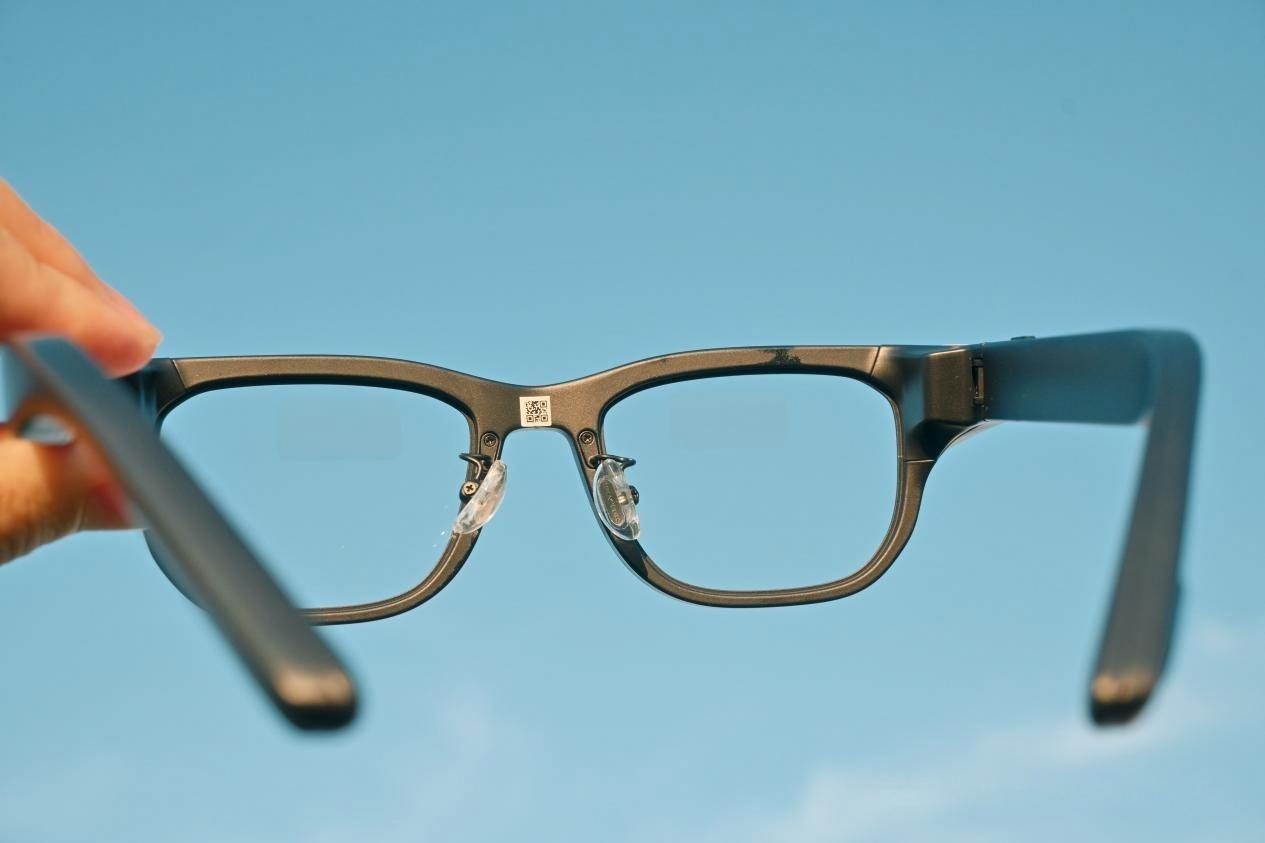
Bare weight is around 40 g, which is light enough for a working day. Prescription lenses are supported through a quick-release fitting: myopia up to -6.00 dioptres and astigmatism up to -2.00 dioptres are covered, which excludes the highest prescriptions. As with every pair in this category, the correction range should be confirmed before ordering rather than after.
Practical considerations
- The offline set is the one to check. Confirm which of the 18 offline languages are relevant before relying on the device abroad.
- Test with your own languages. Recognition quality varies by accent, and the only meaningful test is the language pair that will actually be used.
- Map the modes to situations. Most buyers need two of the five modes rather than all five, and identifying those two in advance makes the purchase decision far easier.
- Budget for the lenses. The device is the first cost, not the only one.
Verdict
This is the most clearly argued product in the category. It does one thing and configures the hardware around it, which produces a device that is light enough to wear, specific enough to be genuinely good at its job, and limited enough that the limitation is easy to evaluate before buying. Translation is not a feature everyone needs. For the people who do need it, the design choices here are more coherent than those of the general-purpose pairs that cost more and weigh more.