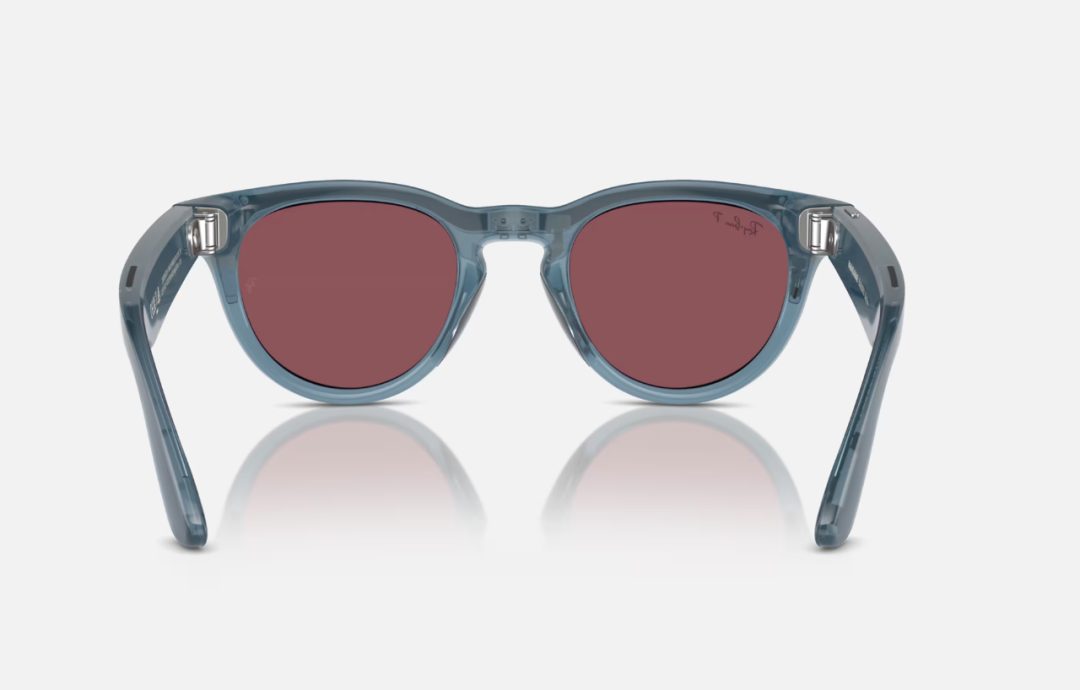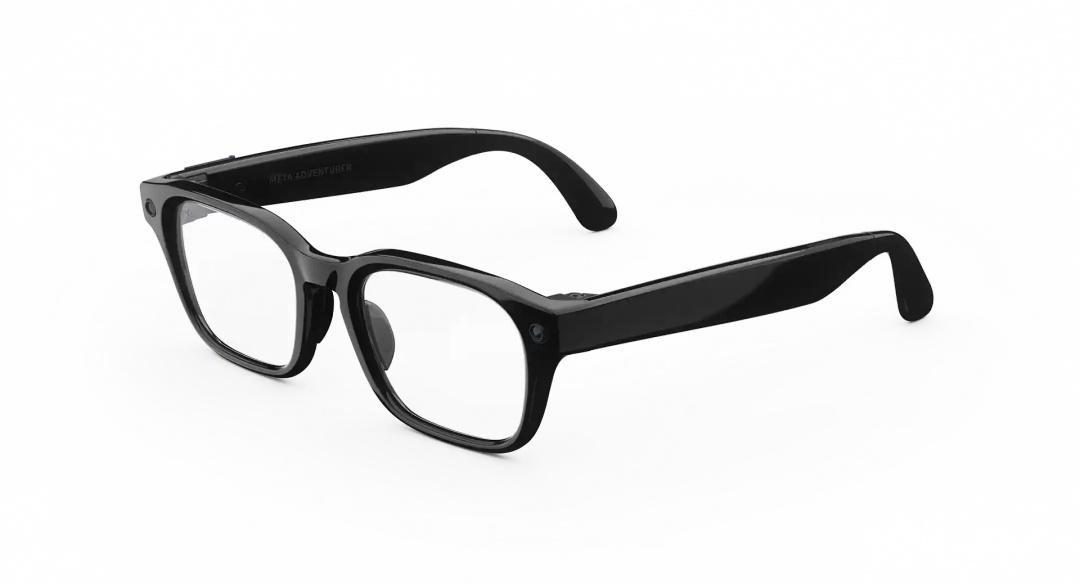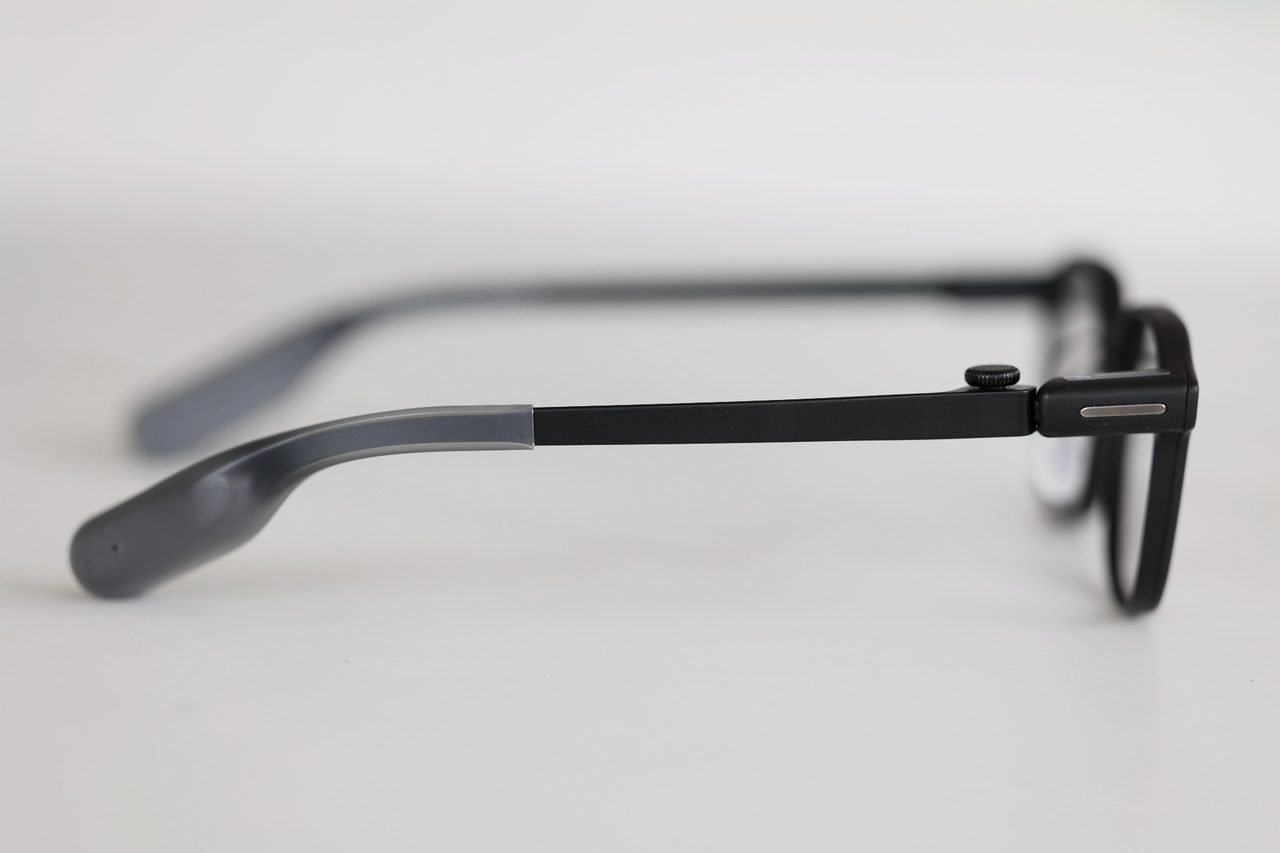
The audio-only pair is the least ambitious design in the category and, for many buyers, the most successful one. With no camera and no display there is nothing to explain to other people, nothing to illuminate, and no optical stack to carry. What remains is a light frame with speakers and microphones, and the practical trade is with earbuds rather than with phones.
Open-ear audio and what it costs
Speakers sit outside the ear canal, aimed towards it, rather than inside it. The consequence is that the wearer keeps full awareness of their surroundings, which is the point: cycling, running, walking in traffic and working in an open office all become safer or more sociable. The costs are consistent across implementations. Low frequencies are weaker, because bass depends on a sealed volume of air that open-ear designs deliberately do not create. And at higher volumes the sound is audible to people standing nearby, which is the reason some public settings treat these devices the way they treat a phone speaker.
Microphones matter more than speakers
For calls, voice notes and assistant commands, the microphone array determines the experience. A beam-forming array aims at the wearer's mouth and rejects surrounding noise, and the quality of that processing varies more between models than the speaker tuning does. Where the intended use is calls in noisy places, the array specification and its noise-rejection behaviour are the figures worth checking rather than the driver size.
Battery, and why this class lasts
Without a display or a camera, the power budget is dominated by audio, which is the lightest load of any smart-glasses feature. Listening times in the region of six to ten hours are typical, and a charging case commonly extends that across a day or more. The result is a device that is charged on the same schedule as a phone rather than one that has to be managed around its own limits. That is a larger practical difference than the feature comparison suggests.
Who this design suits
- People who wear glasses already and want audio without adding earbuds.
- Anyone who needs situational awareness while listening - commuting on foot, running, working with other people present.
- Buyers who want assistant access without a visible device, including weather, timers, messages and turn-by-turn directions.
- Anyone who found camera or display models too heavy or too conspicuous.
Where to start
- Ray-Ban Meta after two months — why a 48g familiar frame mattered more than the feature list.
- AI glasses for video — the same open-ear audio assessed on camera models.
- Meta Glasses launch — how the frame families differ in weight and fit.
Where to buy a audio-only AI glasses
This category page links out to a retailer once the final product link is confirmed. Outbound purchase links are treated as affiliate links and are disclosed in the Advertising Disclosure.
Price link pendingOutbound product link pending. Set the "audio-ai-glasses" key in .workbuddy/tools/product-links.json, then re-run the build, to activate this button.