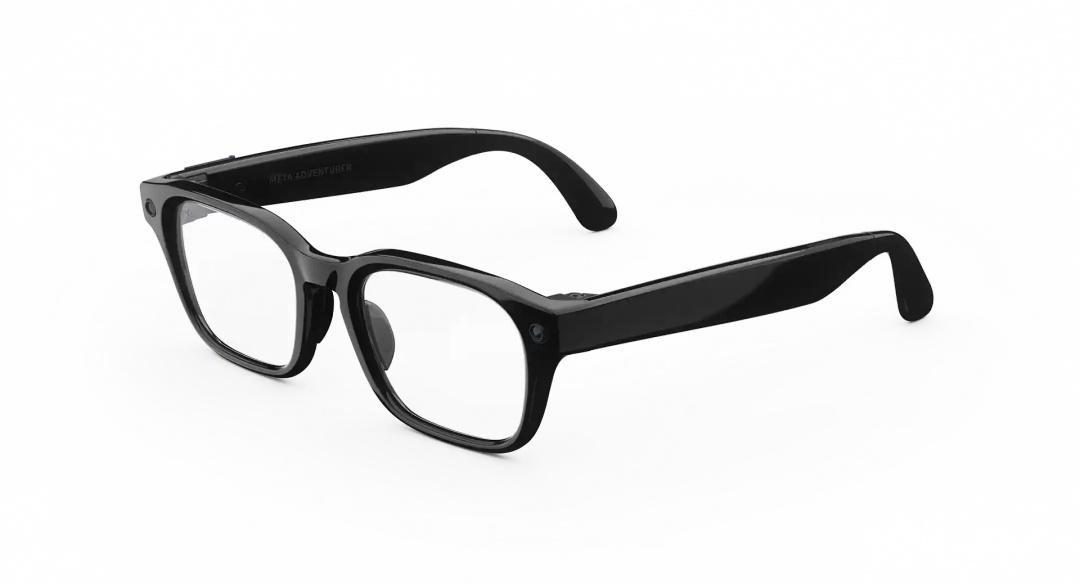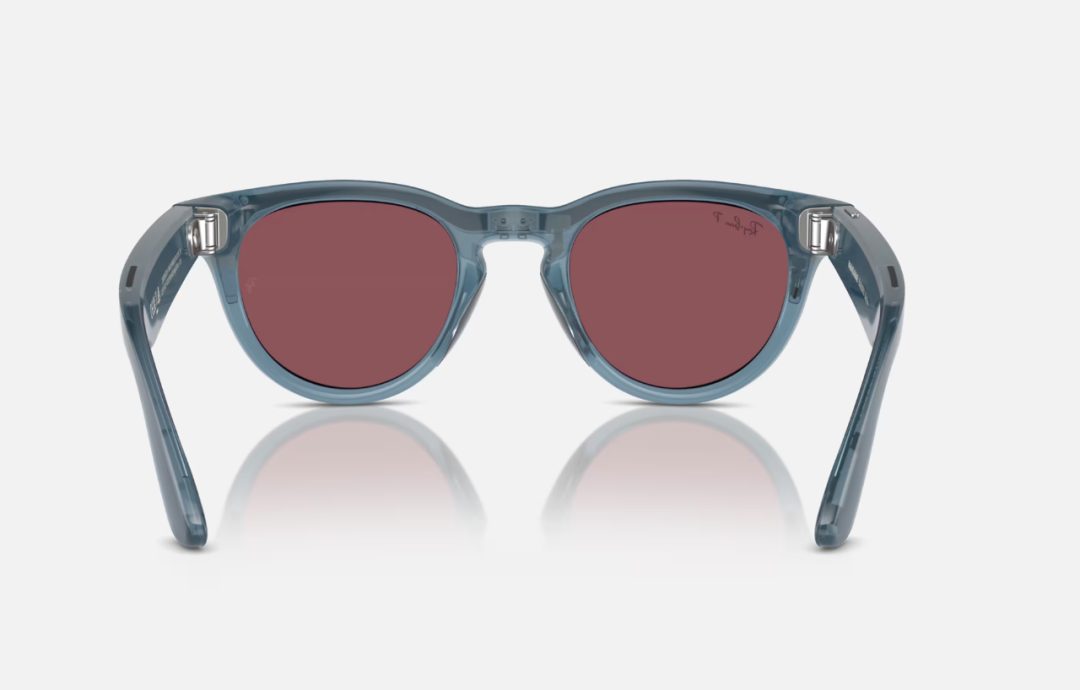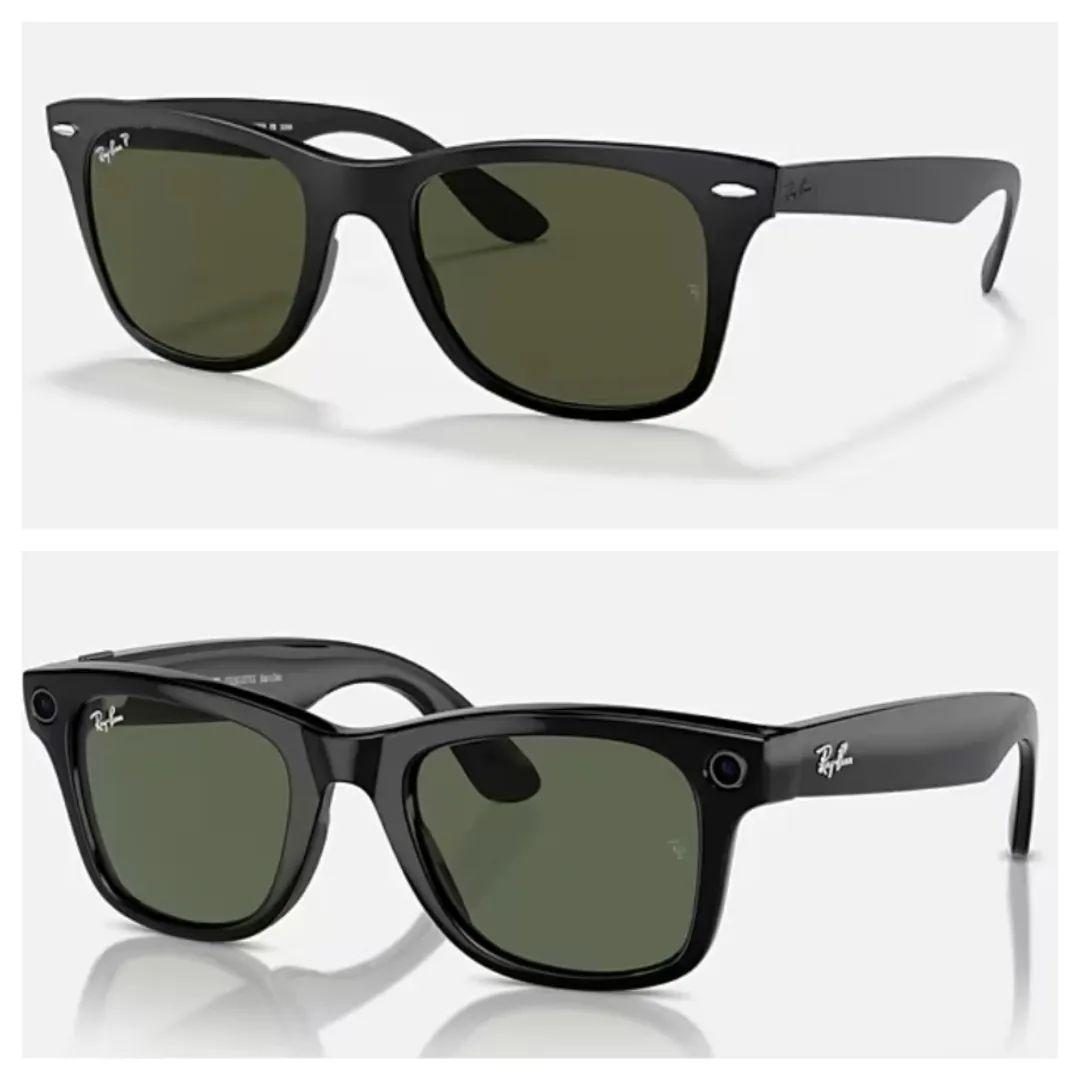
Smart glasses are sold as a feature list, and the feature list is the least useful way to choose a pair. The names repeat across every model - AI assistant, translation, capture, display - while the experience behind those names differs completely. The question that actually decides whether a pair is worn daily is narrower: is the thing this pair does well the thing the wearer needs most days, and is the pair light enough to be put on without thinking about it.
Wearability is the whole product
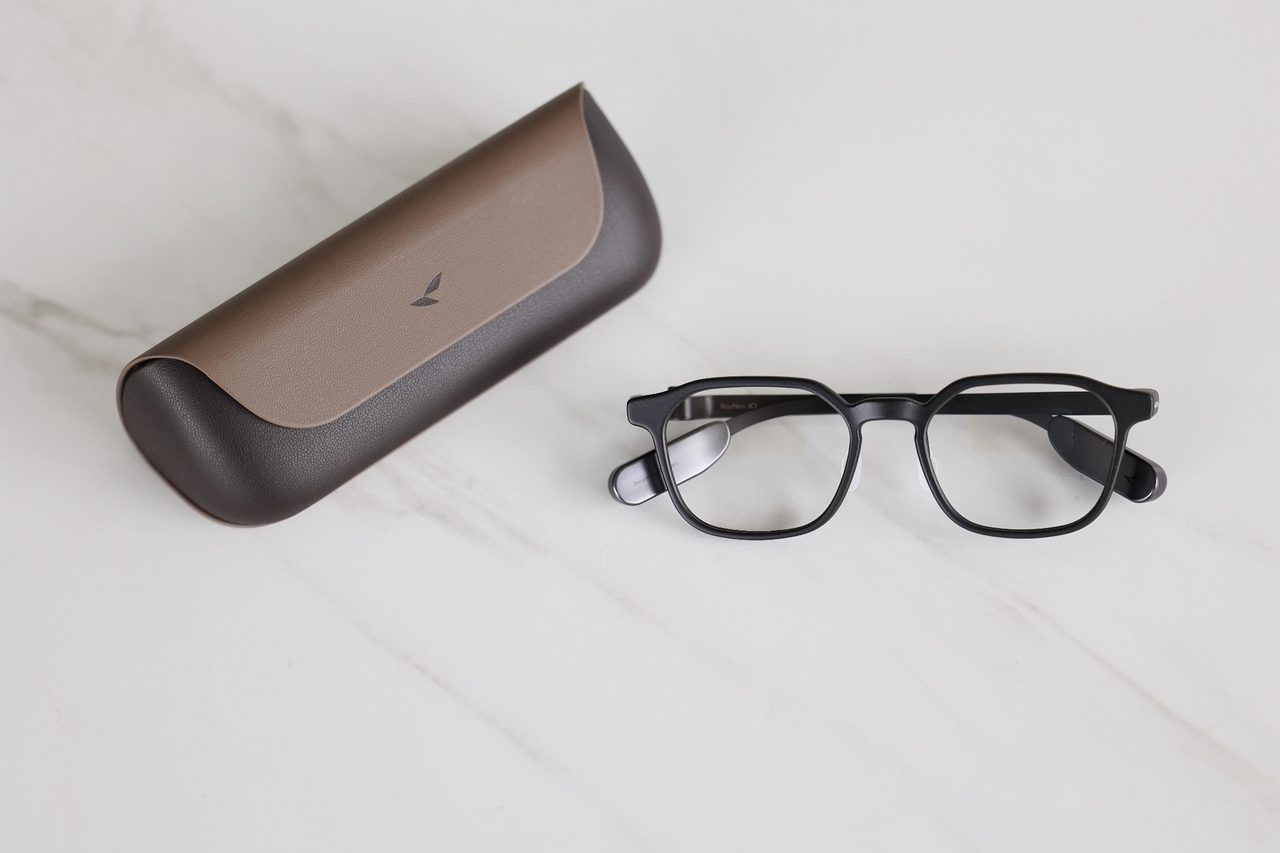
A device worn on the face competes with the glasses it replaces, and it loses that competition on weight more often than on features. Frames in the 30g to 50g range are broadly wearable for a full day; the same electronics in a 70g frame are tolerated for an hour. Nose-pad pressure, temple width and the balance of the front-to-back load matter as much as the total figure, which is why two pairs of similar weight can feel entirely different. This is the constraint that makes integrated cameras, batteries and displays difficult: each one adds mass in front of the pivot point where it is most noticeable.
The jobs these glasses are bought for
Four tasks account for most of the demand, and no single pair wins on all of them. Translation: understanding a language that is not the wearer's own, either as subtitles or as spoken interpretation. Prompting: reading notes, a script or a navigation cue without looking down. Capture: recording a meeting, a lecture or a moment without holding a device. And photography: shooting a photo or a short clip without taking out a phone. Each pulls the design a different way - translation needs microphones and a display, prompting needs a display and almost nothing else, capture needs a camera and storage, photography needs an image sensor and stabilisation.
With a display, or without
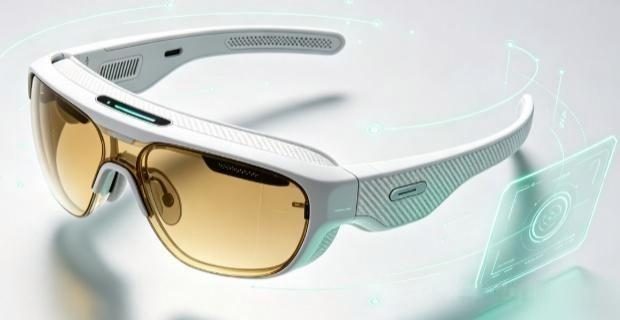
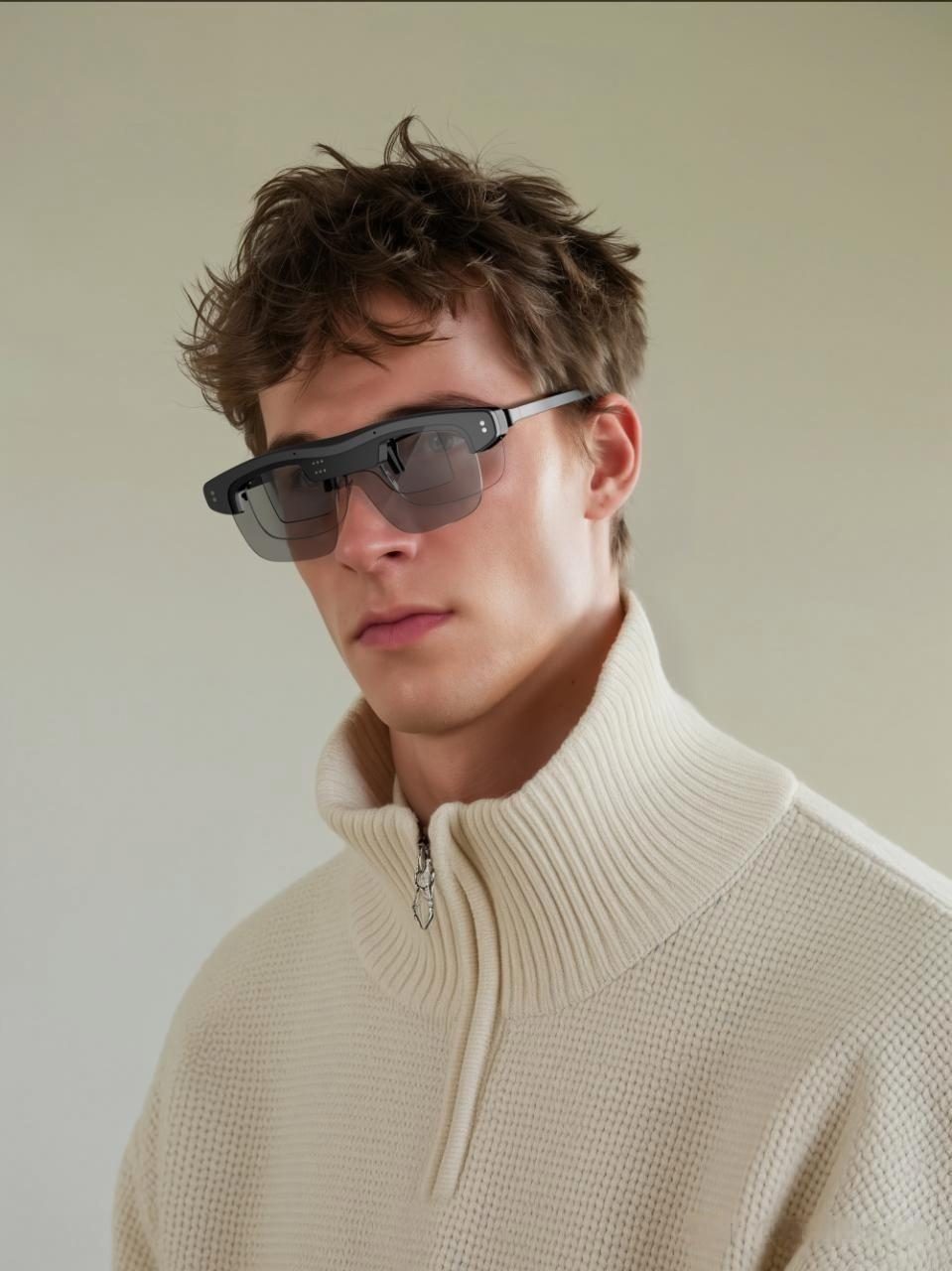
Models without a display are lighter, cheaper and simpler. They handle audio, translation through the speaker, and photography, and they avoid every optical problem that a display introduces. Models with a display add heads-up information, and the display technology decides what that information looks like. Waveguide and diffractive combiners produce a thin, glasses-like form factor with a narrow field of view and a floating image; they are the current mainstream. Micro-OLED and similar emissive panels produce a brighter, denser image at the cost of a bulkier optical stack, more weight and more power. Brightness is the specification that decides outdoor usability, and a display that is legible indoors may be unreadable in daylight unless it exceeds roughly 1,000 nits.
Prescription wearers carry a second cost that is easy to overlook: the optical correction has to be integrated, usually through prescription inserts, and inserts add thickness, weight and money. Whether a model accepts inserts, and how much the correction adds to the total, belongs in the purchase decision rather than after it.
Camera quality and the honesty problem
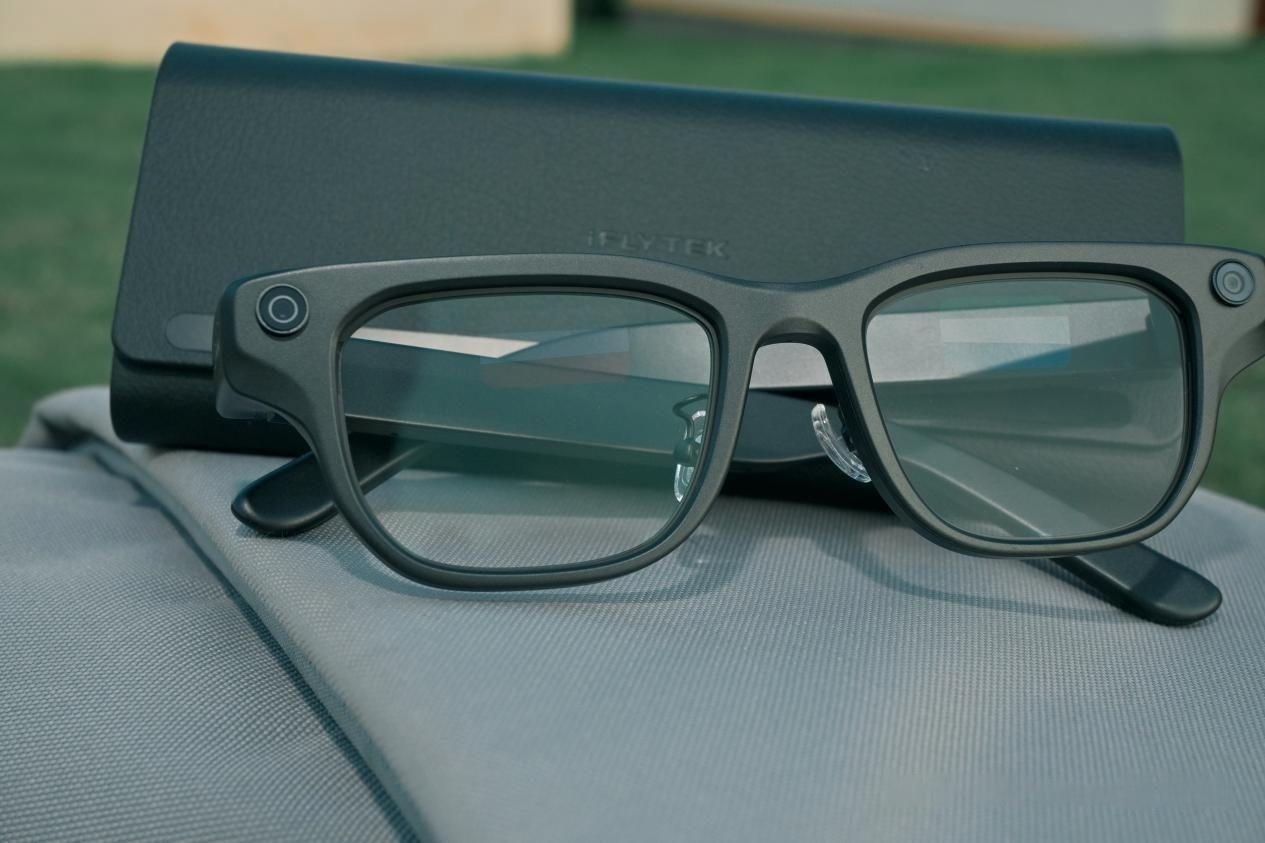
Camera-equipped pairs are judged on the light available rather than on the specification. At 12MP with a wide lens, a pair can produce a genuinely usable frame in daylight and a much weaker one at dusk, where noise reduction and sharpening become visible. Frames are also visibly wider than a phone's, which is characteristic of the form factor rather than a defect: the camera sits at eye level and captures the field the wearer is looking at. Where a comparison claims more than that, it is comparing marketing material rather than files.
Recording is bounded by heat and battery rather than by storage. Typical limits are a few minutes of continuous video per clip, with the device warm afterwards, and sustained recording across a long period is not what the form factor supports. The practical uses - short clips, a photo without breaking eye contact, a record of something that was about to be missed - are all inside that envelope.
Audio, and the difference between open-ear and sealed
Glasses with speakers place them near the ear rather than in it, which keeps the wearer aware of their surroundings and avoids blocking the ear canal. The cost is that low frequencies are weaker and the sound is audible to people nearby at higher volumes. Microphone arrays matter more than the speakers for the intended uses, since voice pickup during a call or a translation session happens in noise, and beam-forming quality varies considerably between models.
Battery, heat and the daily envelope
Published battery figures are usually quoted for listening, which is the lightest duty cycle. Translation and camera use consume substantially more, and display use more again, because illuminating a waveguide is the single largest load. Two specifications are worth looking for rather than the headline: whether the glasses can charge while being worn, which decides whether a long day is possible, and whether the charging case carries additional capacity, which is what makes the difference between a four-hour device and a full day.
Privacy and social acceptability
A camera on the face changes how the wearer is perceived, and this is a design constraint rather than a public-relations problem. Pairs that indicate recording through a visible light are more accepted in social settings than those that do not, and the absence of an indicator is the most common source of friction. The relevant questions are mechanical and answerable: is there an unobstructed recording indicator, is it visible from the front of the wearer rather than from behind, and can recording continue when the indicator is covered. Legislation also varies by jurisdiction on consent for recording in public and private settings, and the requirements generally fall on the person operating the device.
How products are covered in this section
Guides in this section separate published specifications from measured values and from manufacturer claims. Where a pair is assessed over time, the review states the conditions it was used under and what it does not cover. Weight, battery behaviour and recording limits are reported as measured where they were measured, and as claimed where they were not. Retail links are disclosed as affiliate links, and no manufacturer can pay for coverage or influence an assessment.