Camera glasses are not bought to shoot well. They are bought to shoot at all. The value is in the half-second when something worth keeping happens and a phone is in a pocket, in a bag, or in a hand that is already holding something else.

Set expectations against that purpose and the category makes sense. Image quality in 2026 camera glasses is roughly comparable to a mid-range phone's ultrawide camera from about three years earlier. In good daylight the results are entirely usable. Indoors, at dusk or under cloud, noise and heavy processing become visible. Any comparison that claims more than that is comparing marketing copy rather than files.
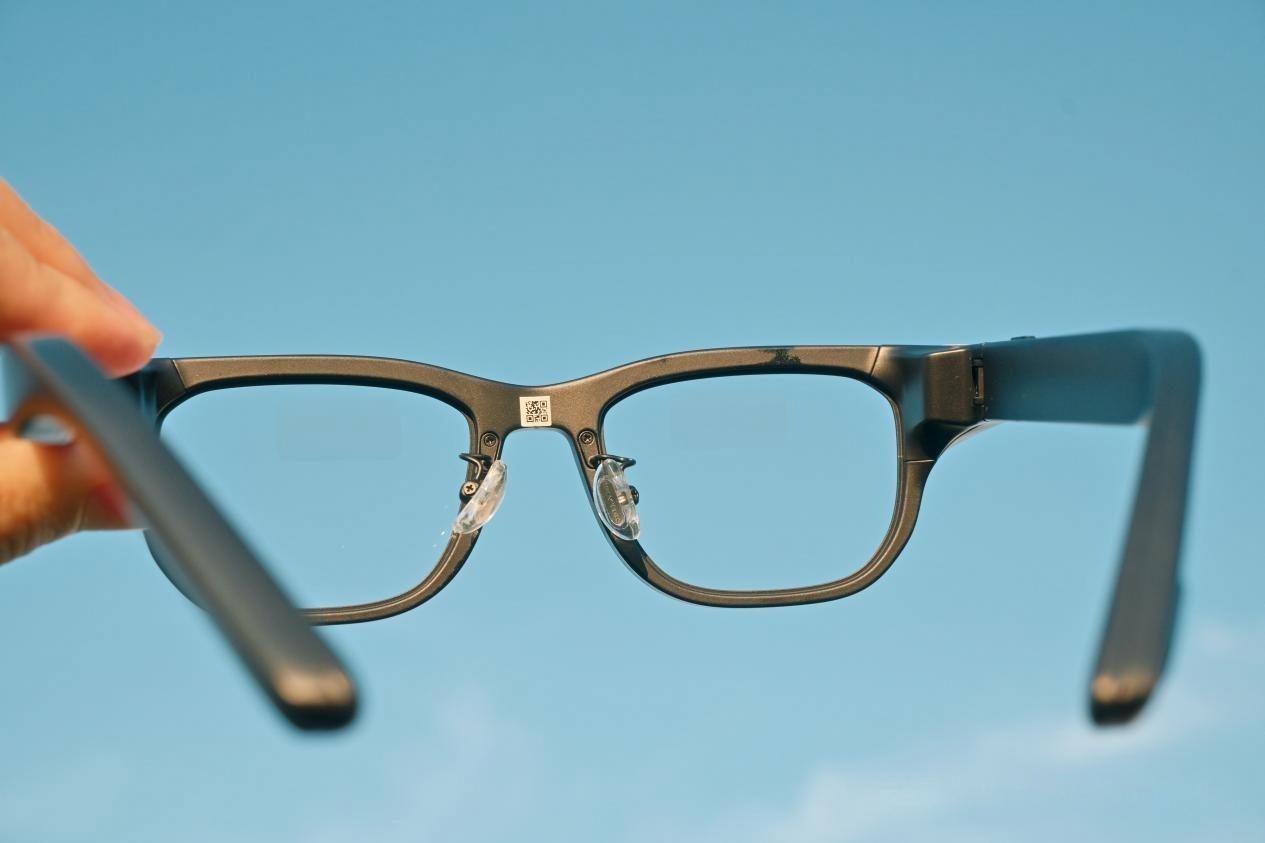
Xiaomi AI Glasses
Positioning: the value option in the group, and the one with the best battery behaviour.
Weight is 40 g, which is light enough to forget about, and the frame supports simultaneous translation, first-person video calls and standard assistant functions. The video specification is a 12 MP sensor with a 105-degree ultrawide field of view recording at 2K. Mixed-use battery life measured between six and seven hours against a claimed 8.6 hours, which is well ahead of the camera glasses that prioritise video over endurance.
The limitations are structural rather than cosmetic. Continuous recording runs for only about 45 to 50 minutes before the temple becomes hot, and sustained outdoor recording can trigger thermal protection well before that. There is no viewfinder of any kind, so framing is blind - a problem that becomes obvious the first time a whiteboard is photographed and the edges are missing. Output is landscape by default. The charging port sits at the end of the temple, which makes connecting a cable a two-handed job in the dark. And the electrochromic lens version cannot be fitted with prescription lenses, so wearers with high myopia have to choose the standard frame and fit lenses separately.
The recording indicator is a red light on the front of the frame. It is clearly visible indoors. That is a feature, not a flaw: covert recording with a device of this kind carries legal exposure in most markets, and the visible light is what keeps the device in the category of a camera rather than a surveillance tool.
Huawei AI Glasses
Positioning: the best low-light camera and the lightest frame, with the strictest ecosystem requirement in the group.
At 35.5 g this is the lightest of the four and the least noticeable on the nose. The camera uses a comparatively large 1/2.8-inch sensor with the manufacturer's HDR processing, and it is the only one of the four that produces usable photographs after dark - street-lit buildings retain shadow detail and highlight control that the others lose. Quick capture is quoted at 0.7 seconds with horizon correction, which raises the hit rate on moving subjects. Mobile payment by looking at a terminal works through the domestic payment platform, and the assistant's handling of the local language is a genuine strength.
The constraint is the platform. Full functionality requires a phone from the same manufacturer on a recent version of its operating system. Connected to an iPhone, the glasses fall back to music and calls, and visual recognition stops working altogether. Video is limited to 1440p at 30 frames per second, which is below the value option. Water resistance is IPX4, which is adequate for rain but not for heavy sweat, and the frame is therefore a poor choice for training.
Ray-Ban Meta (second generation)
Positioning: the most convincing pair of glasses in the group, and the most awkward to own outside its home markets.
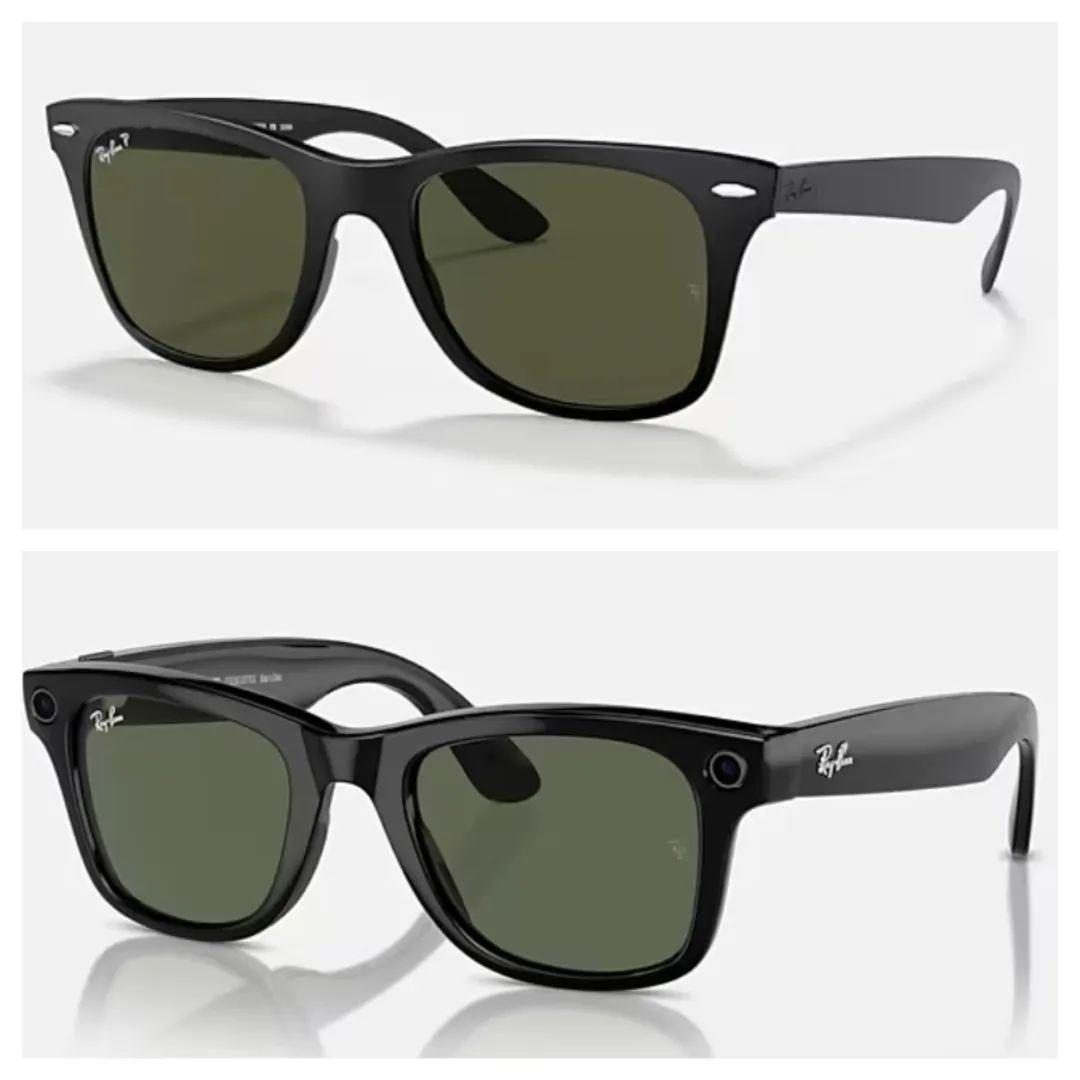
The frame is a genuine Ray-Ban design, and worn in public it attracts no attention at all. Video is the highest specification here at 3K, with natural daylight colour and controlled highlights. The charging case arrangement - about eight hours in the frame plus roughly 40 hours from the case - is the most mature power solution of the four. The English wake word is recognised reliably.

Outside its primary markets the software is the problem. Language support is weak, the wake word is English-only, and requests are processed on overseas servers, so a poor connection stops the assistant working. Continuous clips are capped at three minutes and there is no hardware stabilisation, so walking footage is visibly unsteady. There is no local warranty, and repair after import is impractical.
One development matters beyond this product. A forced firmware update in July 2026 permanently disables the camera on any unit whose recording indicator has been defeated. Regulators are moving in the same direction as the manufacturers, and buyers should assume the indicator is not optional.
How that pair behaves once the novelty has worn off is the subject of a separate long-term assessment, Ray-Ban Meta after two months.
Rokid Glasses
Positioning: an efficiency tool that happens to have a camera, not a camera you can use as an efficiency tool.
The waveguide display puts navigation arrows and translated subtitles in front of the eye, and that combination is the most technically interesting in the group. For shooting, however, it is the weakest: ten minutes of recording consumes roughly a fifth of the battery, and total runtime in mixed use is between two and a half and four hours. It is the right device for navigation, translation and teleprompting. It is the wrong device for a long recording session.
The sub-US$150 segment
Searching for camera glasses at the bottom of the market mostly returns ordinary Bluetooth audio glasses with a familiar word in the product title. Three checks separate the real devices from the rest.
The segment as a whole, including the parts of it that never reach a Western retailer, is surveyed under smartglasses.
- Interpolated resolution. Advertised 4K at this price point is upscaled. Look for sample footage rather than a specification.
- No recording indicator. A camera device with no visible recording light is a legal risk, and in several jurisdictions an offence. Avoid it.
- Try the form factor first. If the budget is genuinely limited, an audio-only pair at the low end is a reasonable way to find out whether the form factor suits you at all. It will not take photographs.
The four compared
| Criterion | Xiaomi | Huawei | Ray-Ban Meta | Rokid |
|---|---|---|---|---|
| Weight | 40 g | 35.5 g | about 49 g | 49 g |
| Video | 2K / 30 fps | 1440p / 30 fps | 3K, 3-minute limit | 2K / 30 fps |
| Continuous recording | about 45-50 min, thermal limited | moderate | about 40 min | weakest of the four |
| Strongest point | balance, battery, ecosystem | low light, weight | appearance, video quality | display, translation |
| Weakest point | blind framing, charging port | phone requirement | language support outside home market | battery under load |
Choosing between them
- Daytime recording with the longest mixed-use battery: the value option, accepting blind framing and the awkward charging port.
- Night and indoor shooting, or the lightest frame: the Huawei pair - provided the phone requirement can be met, which it cannot always.
- Appearance and the best video specification: Ray-Ban Meta - provided the software restrictions and the absence of local support are acceptable.
- Translation subtitles and navigation with occasional shooting: Rokid, with the battery expectation set accordingly.
Prescription lenses cost extra on every one of these models and are not always available on every variant, so the correction range has to be confirmed with the seller before ordering.
The honest summary is that this category replaces a phone less well than its marketing suggests and captures moments a phone misses far better than a specification sheet suggests. Buyers who want to shoot deliberately, with control over framing and exposure, are better served by a gimbal and the phone already in their pocket. Buyers who want to stop missing things will find the habit changes within a week.
Continue reading
Display AR Glasses Compared: RayNeo iO, StarV Air2, Xuanjing M5, INMO GO3 and Rokid Glasses
Five display-equipped smart glasses, matched to the task they are actually bought for: subtitles, teleprompting, meeting capture or shooting video.
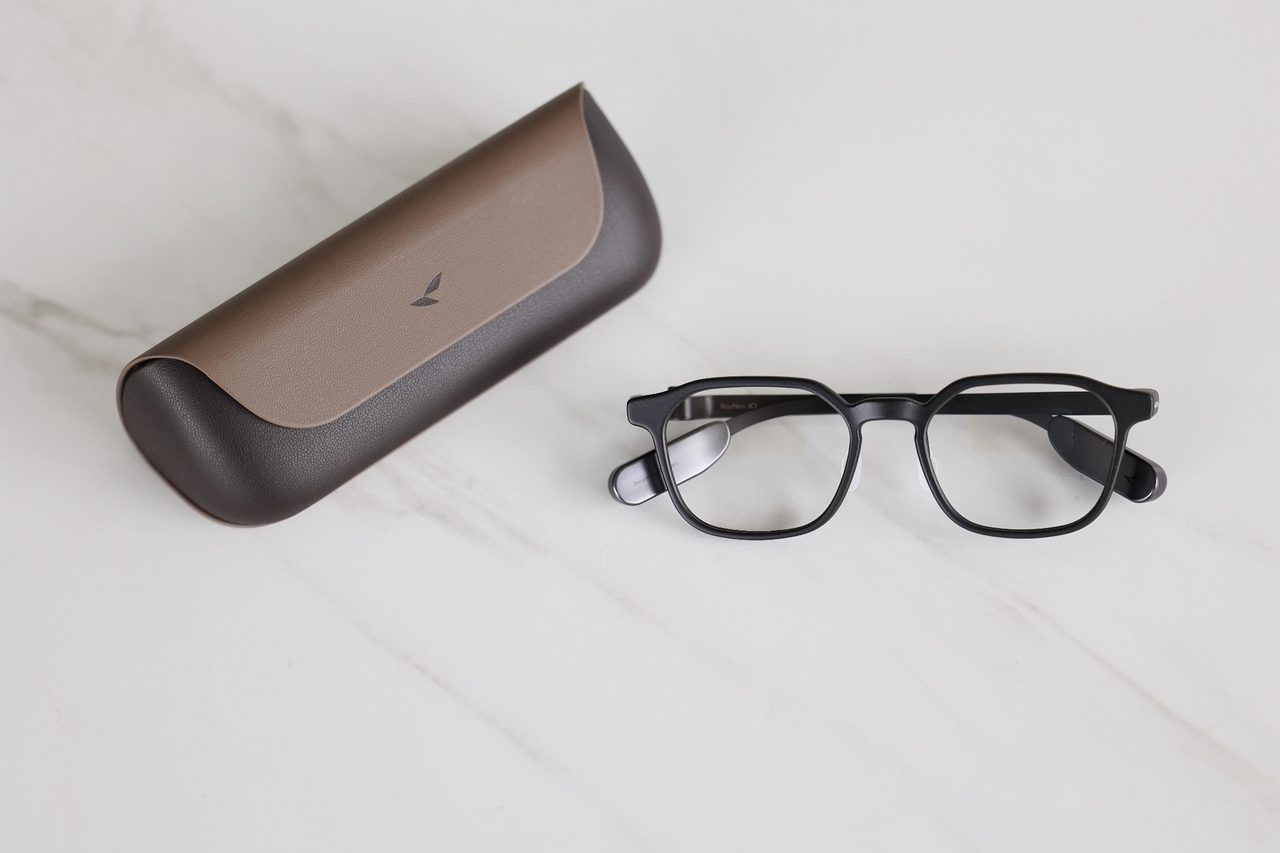
RayNeo iO Review: What a 34 g Display Pair Actually Does All Day
No camera, no speaker, 34 g and a waveguide display. A long-term look at active AI, always-on recording and the privacy framework behind it.
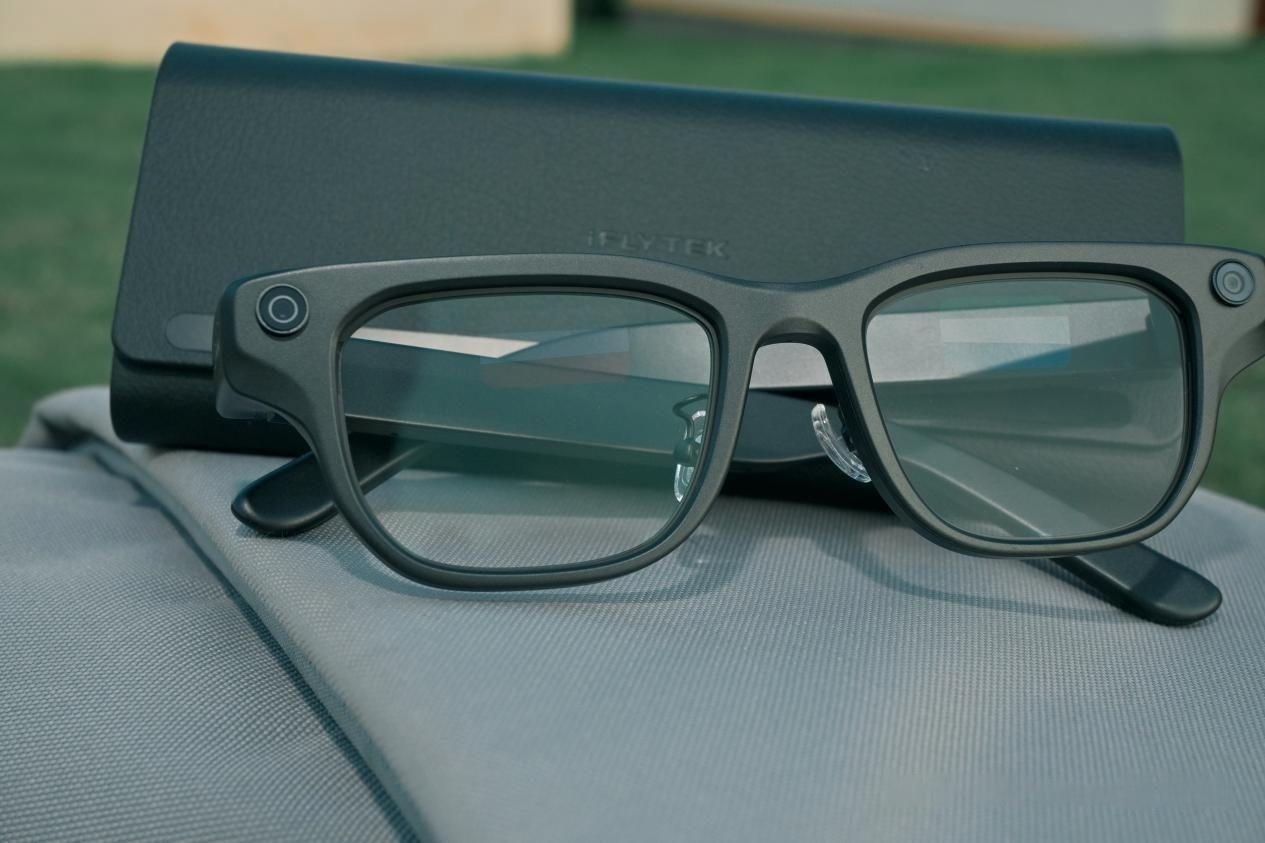
iFLYTEK AI Glasses Review: Translation as the Entire Product
Built around interpretation rather than general intelligence: 122 languages, five translation modes, lip-movement targeting and offline face-to-face pairs.