Choosing a charger is often framed as a technical decision, but the deciding variables are usually practical: how many devices need power, and where the charger spends most of its life. A unit that never leaves a desk is judged on different terms from one that travels daily.
The starting point for most buyers is a simple observation. Households accumulate devices, wall sockets are scarce, and carrying several adapters on a trip is a nuisance before it becomes a technical problem. Two years of product turnover in this category have produced options spanning high-wattage multi-port bricks to compact single-port units, and the market has settled into a recognisable trade-off.
The trade-off is about usage, not specifications
There is no objectively best charger, only the best fit. The two variables that decide the fit are where the charger will be used and which devices it must serve. Practical, portable and cheap pick any two of three when a single unit is asked to do everything.
The trade-off is not an artefact of this market: it follows from what a power negotiation is permitted to request from a supply of a given size.
Three usage archetypes
| Archetype | Priority | What to accept |
|---|---|---|
| Fixed desk or home office | Performance first: high wattage and many ports | Size and weight are close to irrelevant; a larger unit is acceptable |
| Commute, business travel, holidays | Portability first: small, light, foldable | Wattage only needs to be sufficient, not maximal |
| Multi-device heavy use | Balance: enough power for every device, without a brick | Some compromise on both extremes |
A usable decision order
- Where will it live? Travelling more often than not points to portability; staying on a desk points to performance.
- What must it charge? Note the highest single requirement. A 16-inch laptop needs sustained 100W–140W; a phone and earbuds need far less.
- How many at once? Simultaneous charging determines port count, and port count determines whether the total budget has to be shared.
- Only then compare models within the format that survived the first three questions.
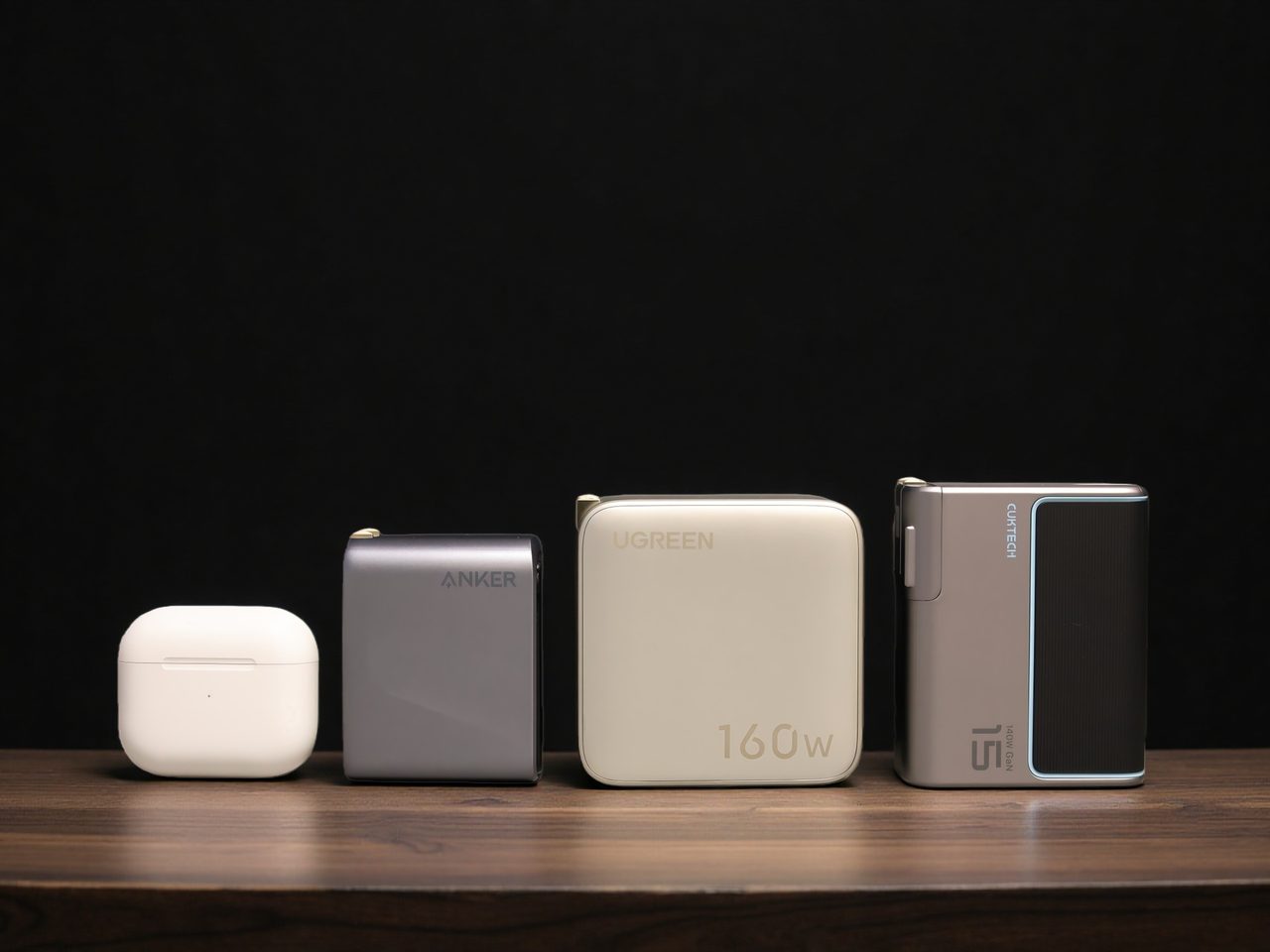
Three models worth comparing
The three products below sit at different points on the trade-off curve and are worth comparing against the archetypes above. All specifications are as stated by their manufacturers and are reproduced here for comparison; independent verification is advised before purchase.
A compact 45W GaN charger with a TFT display
Small-format tier
Fits: the multi-device traveller who wants one unit for commuting, business trips and home, and does not want to give up capability for size.
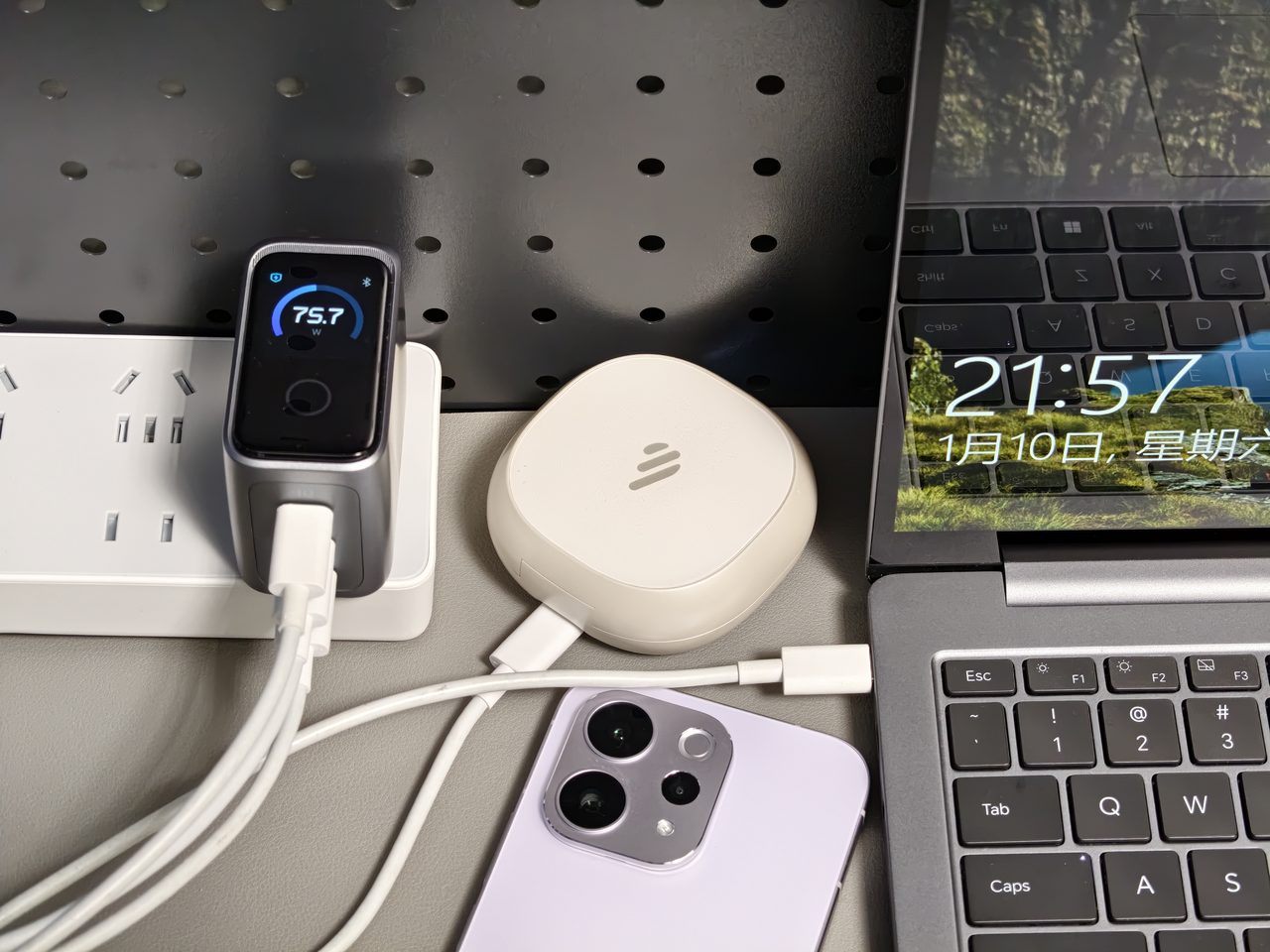
- Portability. Around 80 g, stated as roughly half the size of a conventional charger, with foldable pins. Compared with an earbud charging case, it is comparable in footprint and slightly thinner, so it packs alongside a phone without scuffing it.
- Wattage that covers the common case. 45W covers phones, tablets and ultraportable laptops, with USB PD 3.0 supporting all five standard fixed voltage steps. For most buyers this is the band where additional wattage stops delivering additional benefit.
- Charging made visible. A TFT colour screen reports live power, temperature and device name, with status-driven graphics. Whether a device is actually fast charging becomes immediately observable, and temperature can be checked before leaving a charger connected overnight.
- Thermal behaviour. The vendor describes a predictive control system that samples at high frequency and adjusts output before temperatures rise, paired with a semiconductor heat-spreading layer. Gaming on a laptop while charging for 40 minutes leaves the housing warm rather than hot, according to the manufacturer.
- Certification and protection. Certified under China Compulsory Certification (CCC) and equipped with four protection circuits covering over-voltage, over-current, temperature and short circuit.
Summary: balanced on both axes — 80 g, 45W, broad protocol compatibility, active thermal control and a status display, with no single area left weak. For the majority of non-specialist buyers this is the format that fits best.
A 140W four-port multi-device charger
High-wattage tier
Fits: households with many devices where one charger is expected to serve everything at once.
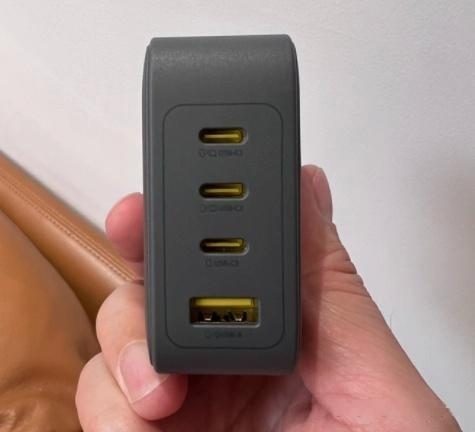
- Port configuration. Three USB-C ports and one USB-A port, four outputs in total. Two of the USB-C ports support USB PD 3.1, with a maximum of 140W (28V/5A) on a single port, enough to supply a 16-inch laptop at full rate. The manufacturer states that a current-generation 16-inch laptop reaches 54% in half an hour.
- Simultaneous use. Power is reallocated intelligently when several devices are attached — for example, one USB-C port sustaining 65W for a laptop while another continues to charge a phone.
- Protocol coverage. Compatibility extends to UFCS, PPS and QC among other mainstream protocols, and 120W fast charging on recent Xiaomi devices is supported, which matters for buyers inside that ecosystem.
Summary: the appropriate choice where a laptop, tablet, phone and earbuds are regularly charged at the same time and high power is required from a single unit.
A 140W single-port charger supplied as an ecosystem kit
Ecosystem tier
Fits: buyers already inside one vendor ecosystem who want the fastest charging that vendor supports.
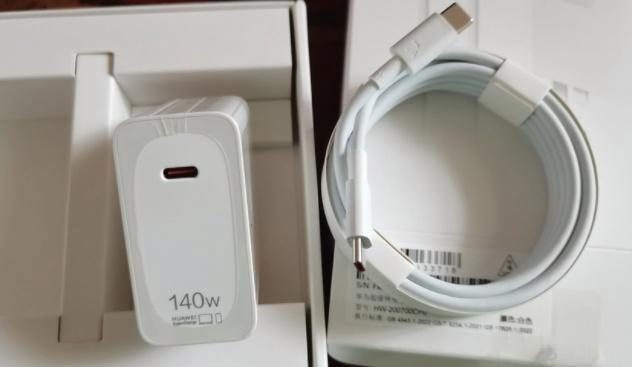
- Output and technology. One USB-C port rated to 140W (20V/7A) using the vendor's proprietary fast-charge technology, supplied with a 1.8 m cable. Recharging a flagship ultraportable in that ecosystem is correspondingly fast.
- Protocol coverage. Support extends across SCP 2.0, UFCS 1.0, PD 3.0, PPS and QC 2.0, so phones, tablets and laptops from the same vendor all reach full rate, while compatibility with 90W PD means other brands can still be charged.
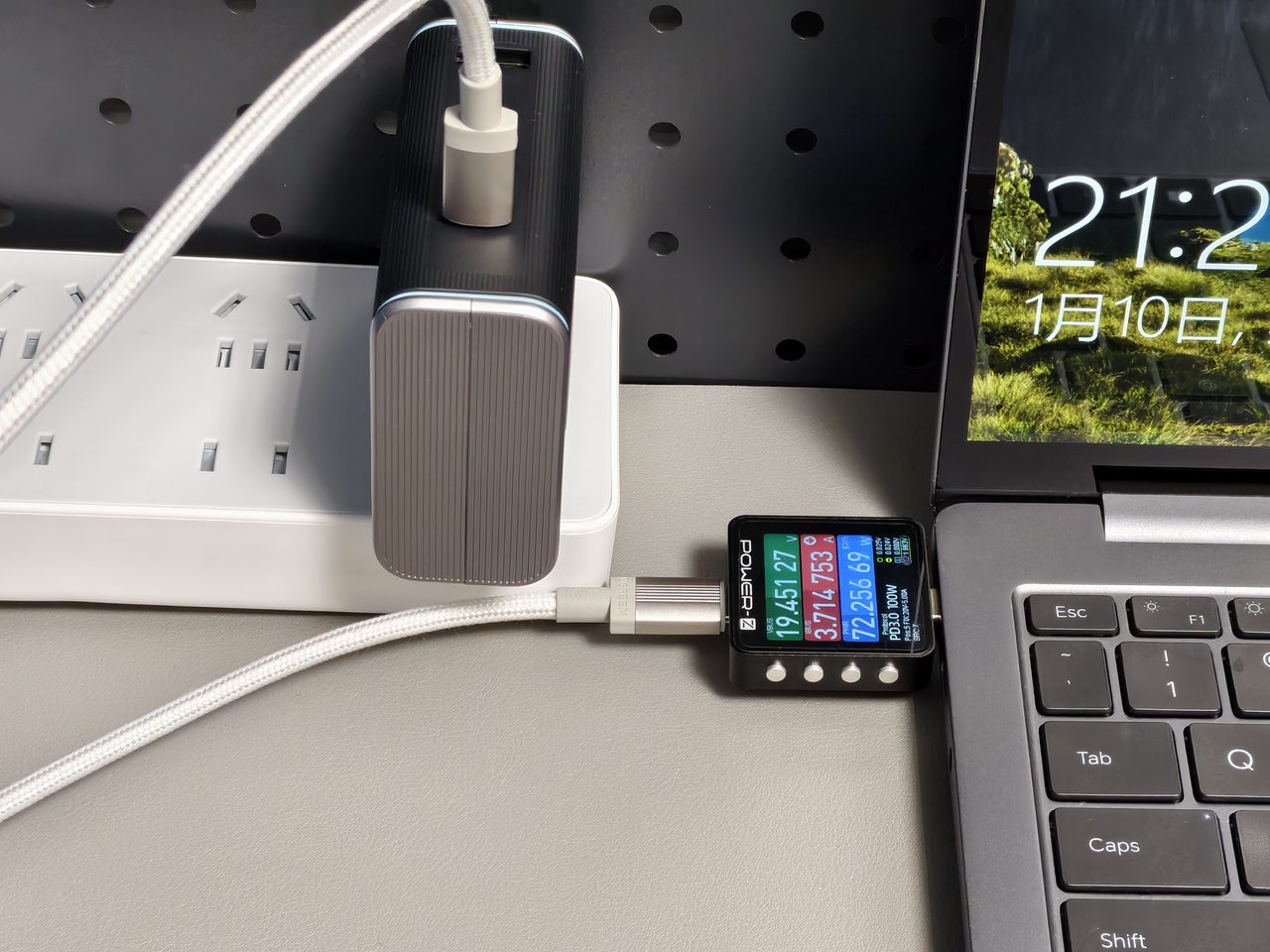
- One important limitation. The full 140W requires the proprietary protocol over the vendor's own 7A cable. With a standard PD cable the same charger tops out at roughly 90W. The headline figure is therefore conditional on the cable, which is worth checking before purchase.
Summary: the least complicated option for a single-vendor household, and a poor fit for anyone who needs one charger to serve several ecosystems.
The high-power end of that shortlist is measured side by side in How to buy a multi-port charger in 2026.v>Summary
- Many devices on a fixed desk — choose high wattage with more ports.
- One vendor ecosystem — choose the certified first-party kit, and check the cable requirement.
- Frequent travel with a mixed set of devices — choose a compact 45W unit with broad protocol support, which covers the widest range of situations without adding weight.
Specifications do not decide this purchase. Usage does. Establishing where a charger will live and what it must charge takes a few minutes and eliminates most of the market before any comparison table is needed.
Continue reading
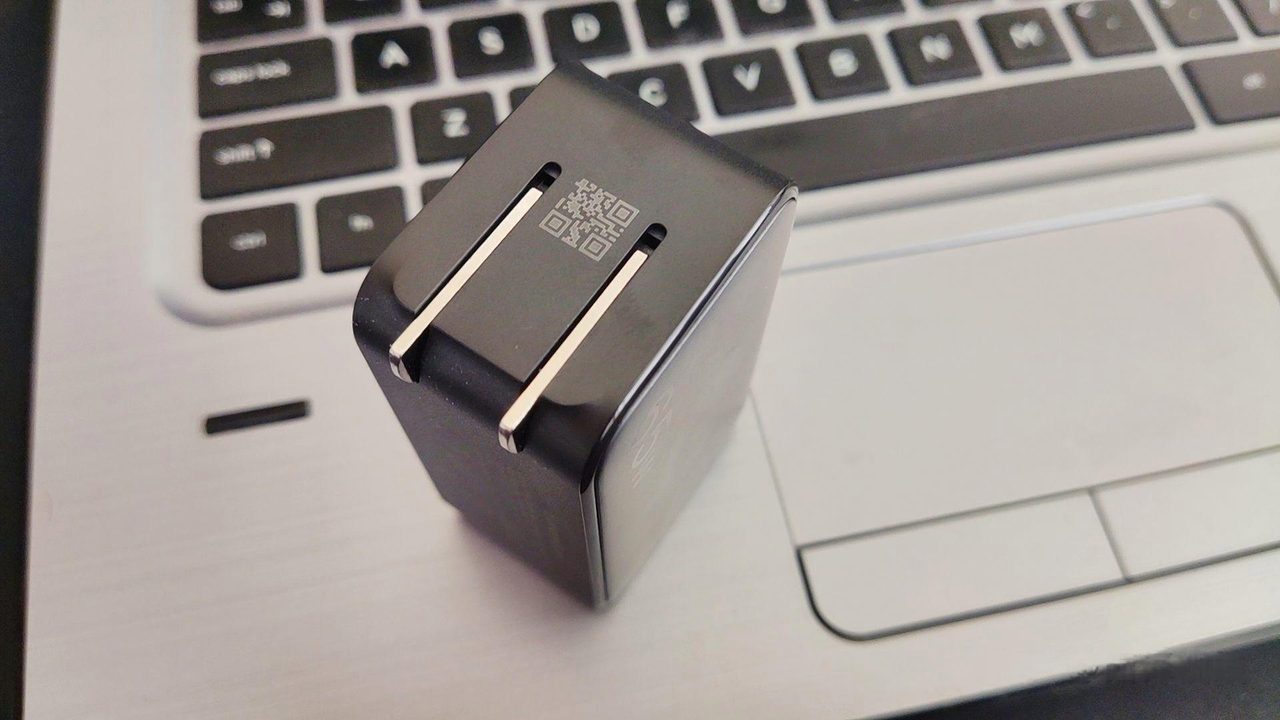
One Charger for Everything: Why a 65W GaN Unit Replaces Three Power Adapters
Three separate adapters for a laptop, phone and earbuds is a packing problem before it is a charging problem. A 65W three-port GaN unit solves it.
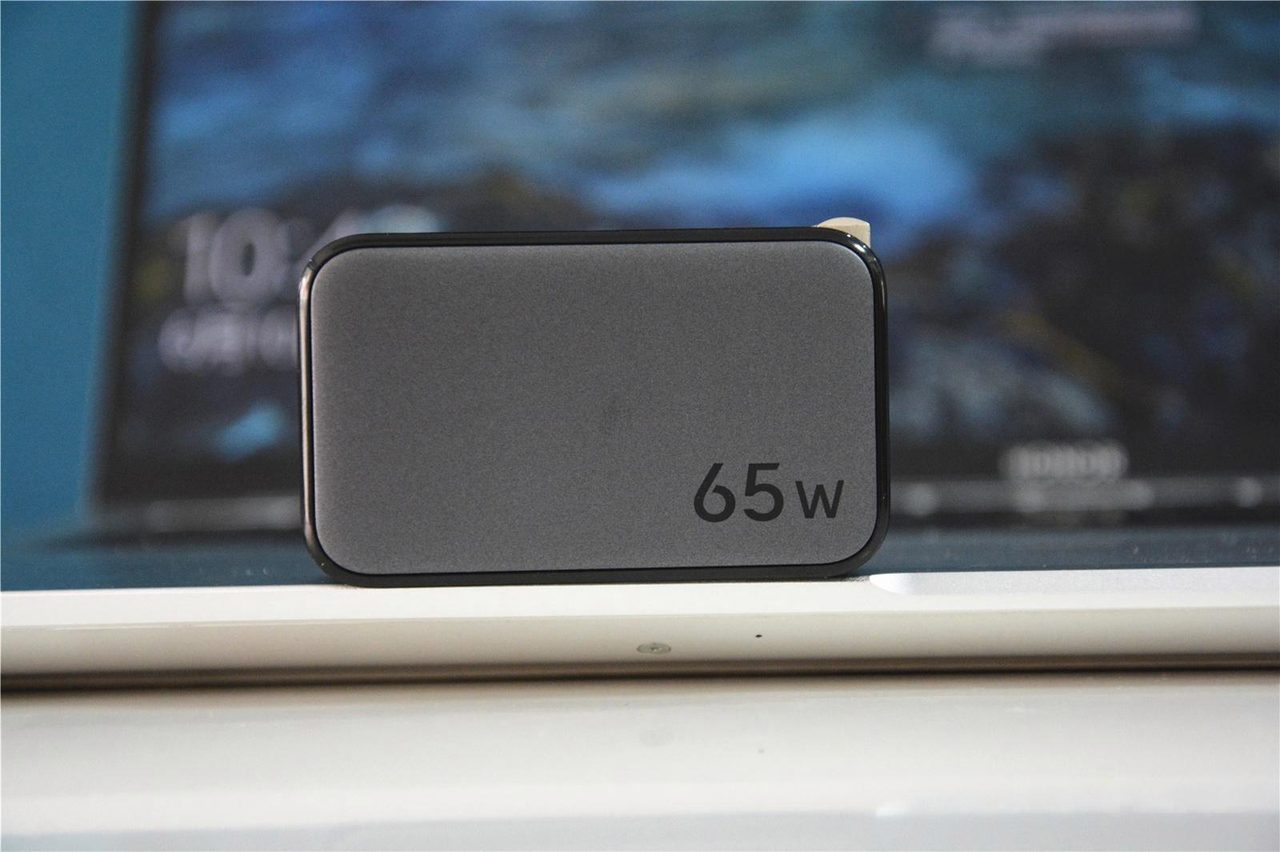
UGREEN 65W GaN Fast Charger Review: Design, Ports and Real-World Speed
Two USB-C ports, one USB-A port, a bundled 1.5 m cable and foldable pins. A close look at what the 65W GaN form factor delivers day to day.
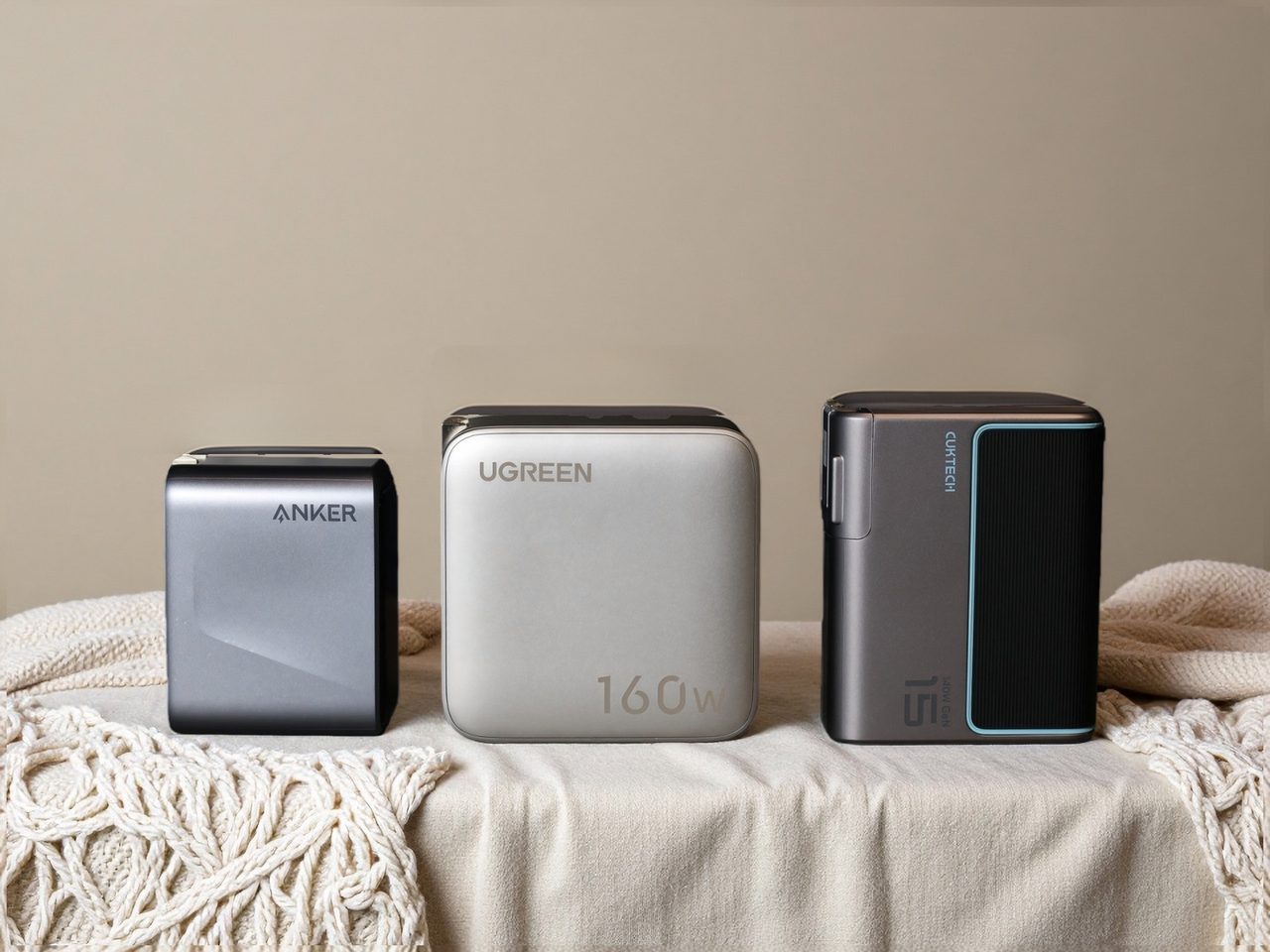
How to Buy a Multi-Port Charger in 2026: Anker vs. UGREEN vs. CUKTECH
Sustained power, cool operation and a small footprint rarely coexist. Three 140-160W chargers are compared on weight, volume, output strategy, displays and apps.