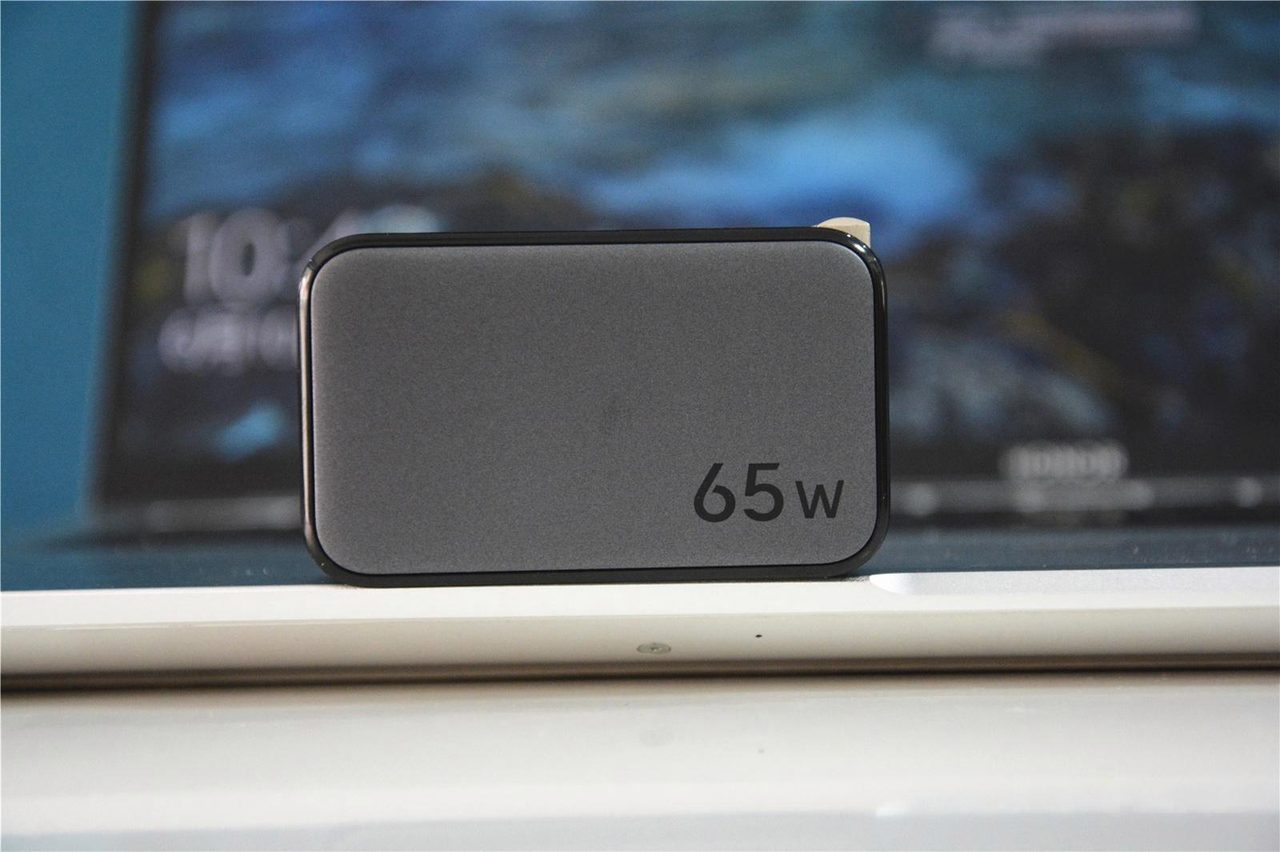
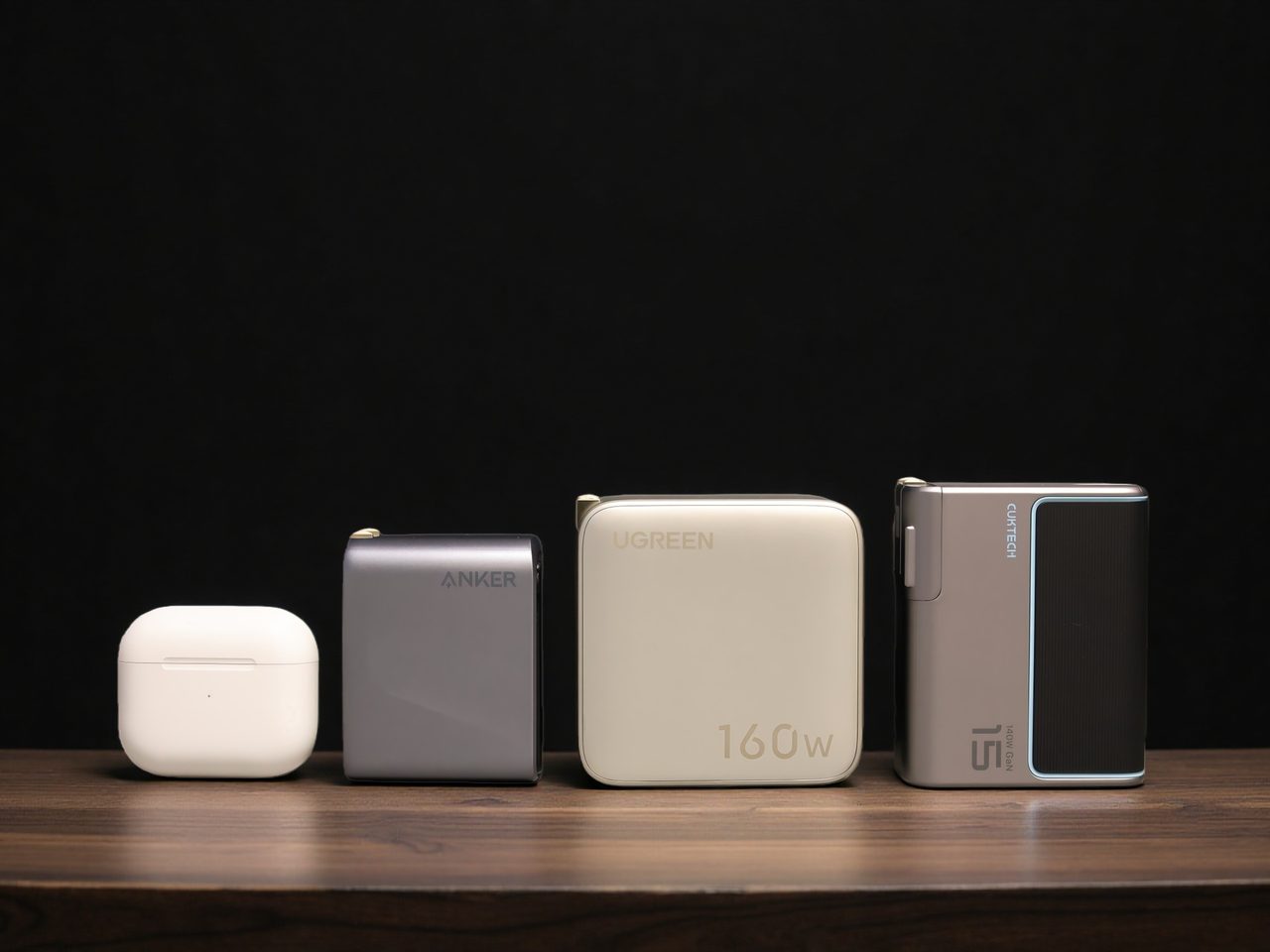
Anyone who travels with a laptop, a phone and a pair of earbuds has met the same problem. Three devices, three different power adapters, three cables. The bag gets heavier, the wall sockets are contested, and forgetting one adapter can turn a working trip into a search for a replacement.

Three adapters, three small problems
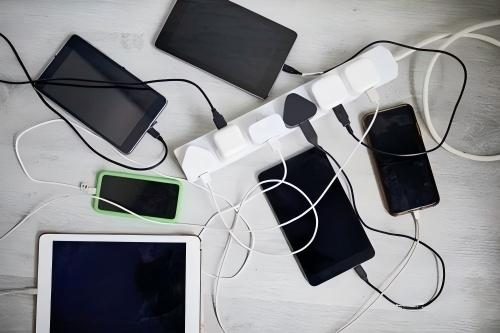
The first problem is weight and volume. A laptop brick, a phone adapter and an earbud charger add up to a substantial amount of bag space for hardware that does essentially the same job. The second is fragmentation: each adapter suits one device, so nothing can be left behind. The third is socket contention, since most desks and most hotel rooms offer fewer usable sockets than devices.
What a three-port 65W unit changes
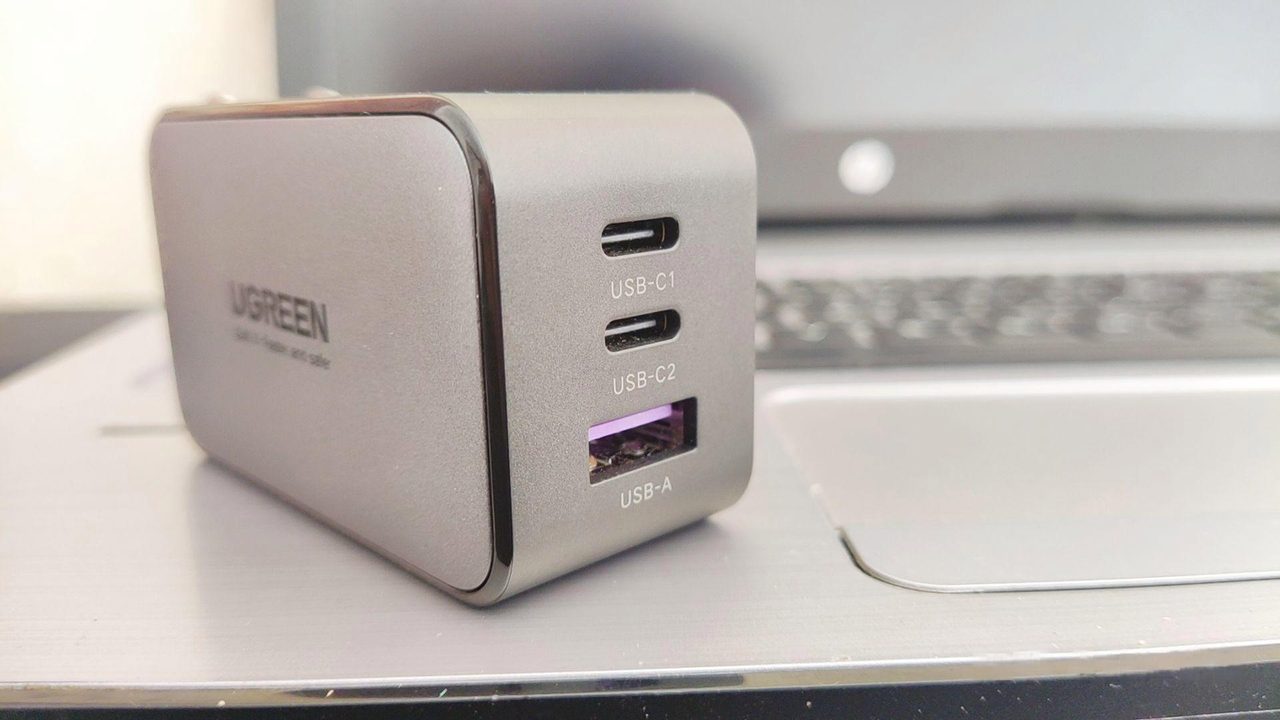
A 65W GaN charger with two USB-C ports and one USB-A port addresses all three at once. The USB-C ports serve laptops, phones and tablets; the USB-A port covers older accessories. Charging is simultaneous rather than sequential, and the entire assembly is small enough that it disappears into a bag rather than occupying a compartment. In place of three adapters and three sockets, one charger and one socket remain.
The connector and the negotiation behind it are standardised, which is why one charger works across brands; the USB-C specification is the reference for what a port is required to do.
Why GaN is what makes this possible
Building three fast-charging ports into a housing this small is not a matter of clever assembly. GaN circuitry runs cooler and conducts heat away more effectively than silicon, and heat resistance is higher, which is what allows the power density. A GaN switching stage paired with a dedicated power-supply protocol controller lets the charger identify the attached device and negotiate the appropriate fast-charging protocol across a wide range of models, so each port delivers what the device can accept.
Three devices charging at once is the practical demonstration. Under a silicon-based design of the same size, the combined thermal load would force either a larger housing or a reduction in output. With GaN, simultaneous charging on all three ports is a normal operating condition rather than a stress case.
What the material change does and does not alter is separated out in GaN vs. silicon chargers.
Who benefits
- Commuters who carry a laptop and a phone and do not want a second adapter for the office.
- Business travellers who want to pack once and be certain every device can be charged from a single socket.
- Anyone with a laptop, a phone and earbuds, which is now the most common personal device set.
What to confirm before buying
- Protocol coverage. The charger must support the fast-charging protocol each device prefers, otherwise charging falls back to a low baseline even though the wattage is sufficient.
- The power distribution table. A 65W total is shared. With all three ports in use, the split is a fixed design decision, and a laptop in that mix may receive less than it needs. The distribution table, not the headline figure, is the number to check.
- Certification. Confirmed safety certification and the standard protection set matter more on a unit that stays plugged in overnight.
Consolidating three adapters into one charger is not a radical upgrade, but it removes a recurring source of friction for a small one-off cost, and it reduces what has to be carried every day.
Each of those three points is a published criterion on which current models can be compared, and the eight shortlisted in Best GaN chargers in 2026 are profiled against them.