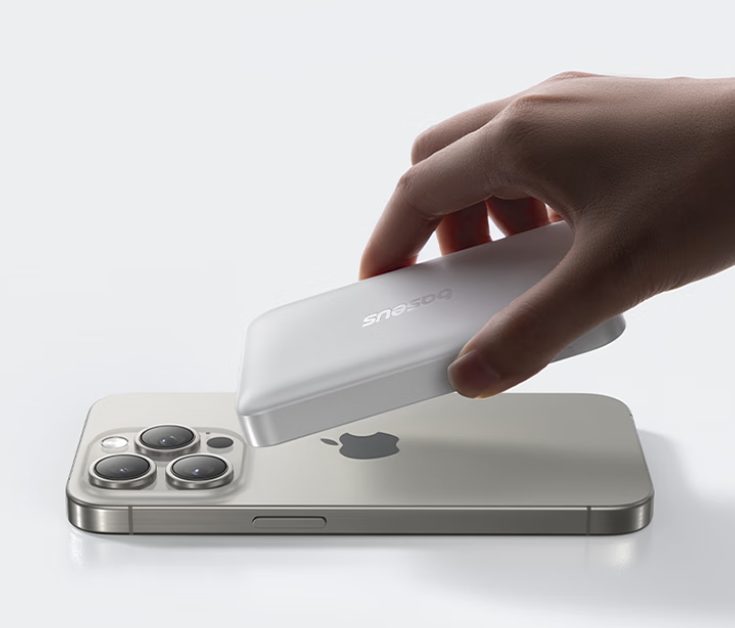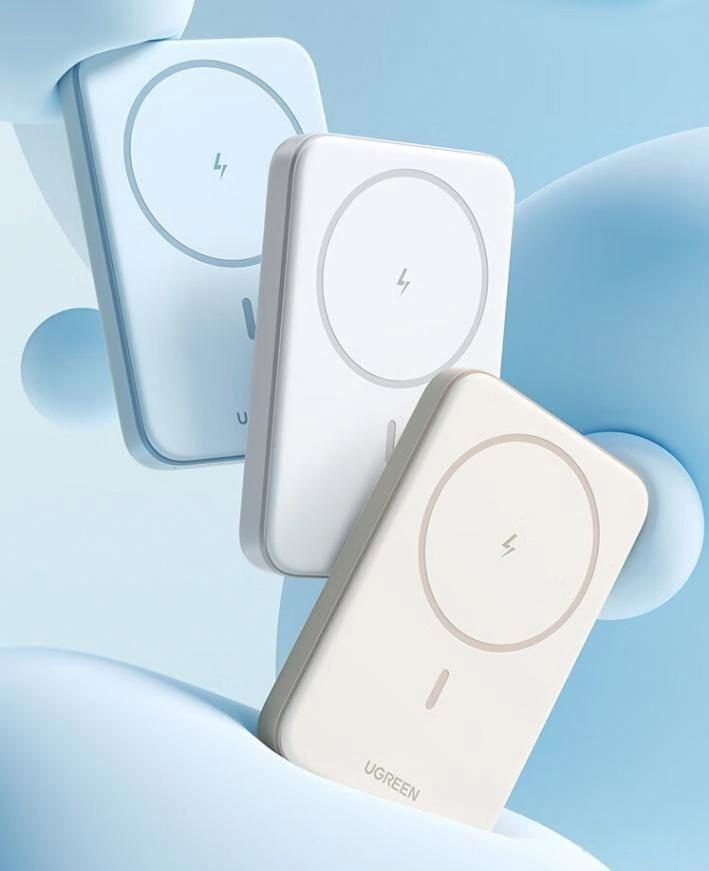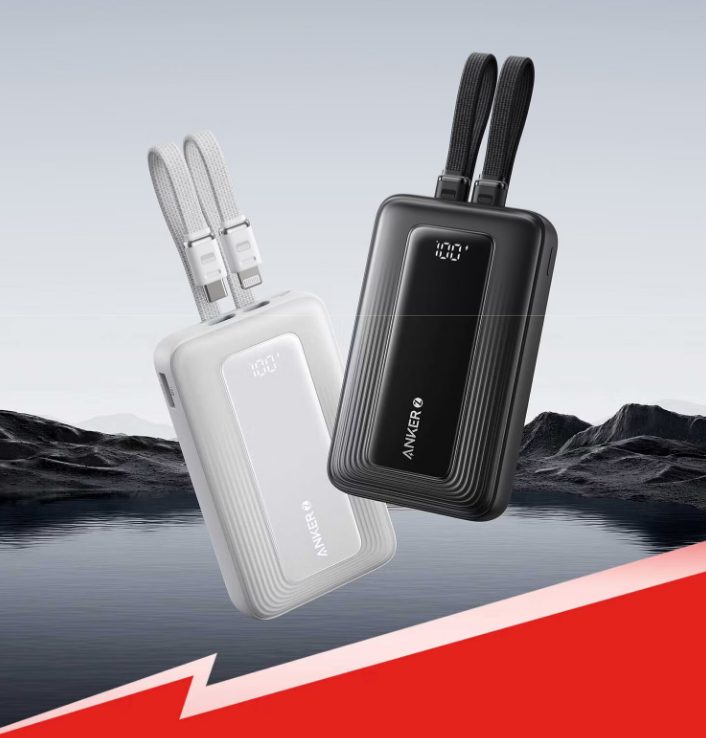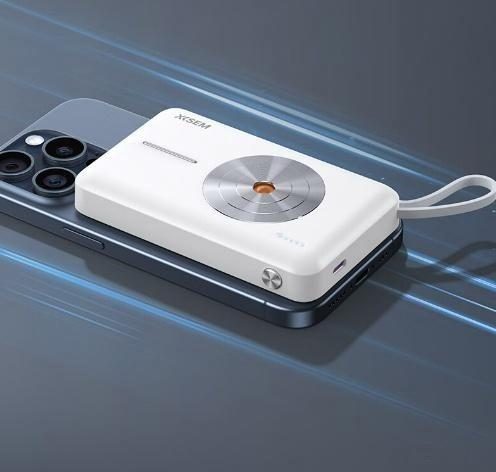
A magnetic power bank is defined by one design decision: a ring of magnets holds the transmitting and receiving coils concentric, so the phone can be used while it charges. That single change removes the two failure modes of earlier wireless packs, misalignment and the need to set the phone down, and it introduces one of its own in the form of heat.
Why alignment is the whole proposition
Wireless charging transfers power through a magnetic field between two coils, and the efficiency of that transfer falls sharply as the coils move apart. A phone placed loosely on a pad may sit a centimetre off-centre, which is enough to halve the delivered rate and generate the excess as heat. A magnetic array fixes the position, so the same transmitter delivers its rated rate reliably. The Qi2 standard formalised this by making a magnet array part of the specification rather than an accessory, which is why a Qi2 phone and a Qi2 pack now interoperate at full rate without regard to brand.
Wireless against wired on the same unit
| Path | Rate | Notes |
|---|---|---|
| Magnetic wireless | 15W (Qi2) or 7.5W on older phones | No cable; phone usable while charging |
| Wired USB-C | 20–22.5W | Faster and cooler; needs a cable |
| Losses | Roughly a third of stored energy as heat | Wireless transfers less of the same capacity |
The practical result is that a 10,000 mAh magnetic pack delivers noticeably fewer phone charges over the wireless path than the same capacity would over a cable. That is not a defect; it is the cost of the format. Where the pack is used to top a phone up in a pocket during a day out, the wireless path is worth it. Where the phone must be filled twice from a single pack, the cable is.
Heat, and why it decides real-world performance
Every pack manages its own temperature, and a magnetic pack has the phone's back in contact with a charging surface for long periods. Two behaviours are common and both are normal: the pack reduces its output as its temperature rises, and some phones pause charging above a threshold of their own. Sustained 15W is not achievable in a warm pocket. The figure quoted is a peak, and the average rate over an hour will be lower. A rigid back panel with a raised coil surround helps, by keeping a layer of air between pack and phone.
Case and phone compatibility
- Magnetic cases pass through; ordinary ones do not. A case with a built-in magnet array is required for reliable attachment. A thick leather or wallet case without one will reduce grip to the point where the pack separates in a pocket.
- Coil position varies between models. Apple's array sits below the centre of the back on most models. Android handsets with their own magnetic standard may place it differently, so a pack that holds one phone well may sit slightly high or low on another.
- Camera bumps are part of the geometry. A pack that clears the camera on one model can leave the coils misaligned on a larger one, which shows up as a lower rate rather than as a failure.
- Stand and kickstand versions. A hinged stand is useful for video and desk use, but it must hold its angle under the weight of the phone; a hinge that slips is a hinge nobody uses.
Where to start
- Magnetic and wireless power banks compared — the format assessed across three current products.
- Best power banks in 2026 — where the magnetic units sit against conventional packs of the same capacity.
- Flying with a power bank — magnetic packs are lithium batteries like any other and travel by the same rules.
Where to buy a magnetic wireless power bank
This category page links out to a retailer once the final product link is confirmed. Outbound purchase links are treated as affiliate links and are disclosed in the Advertising Disclosure.
Price link pendingOutbound product link pending. Set the "magnetic-wireless-power-bank" key in .workbuddy/tools/product-links.json, then re-run the build, to activate this button.