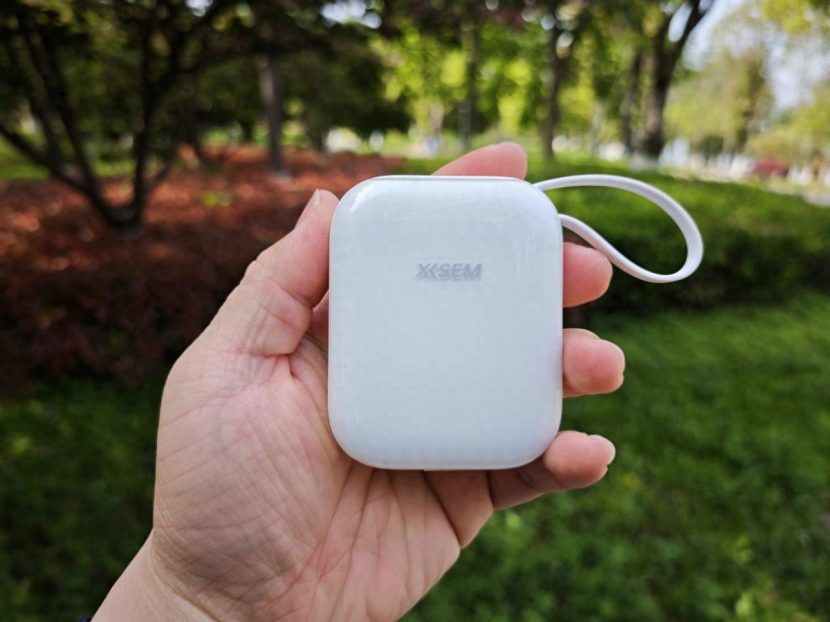
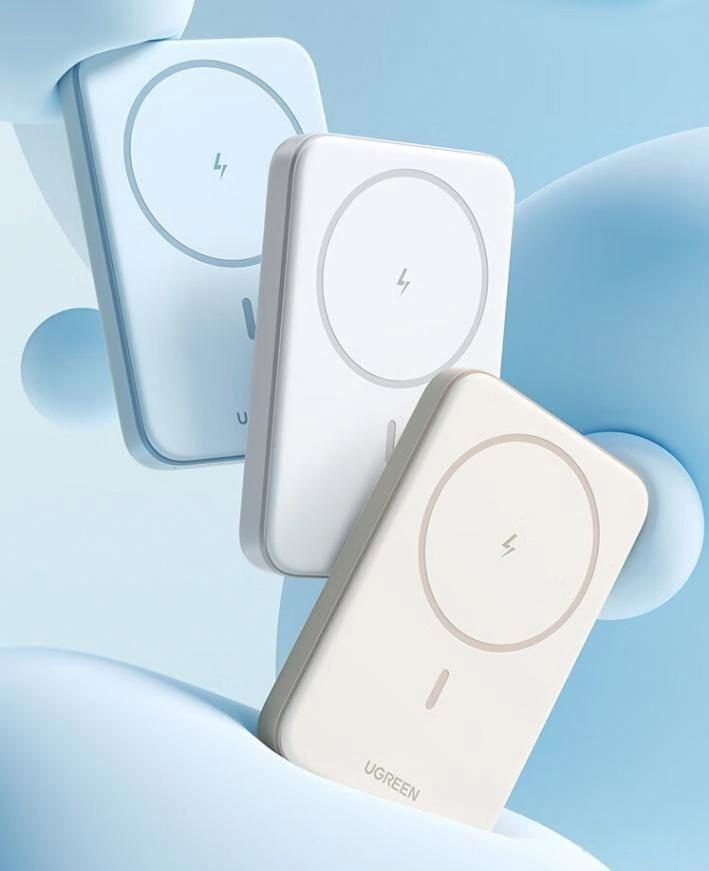
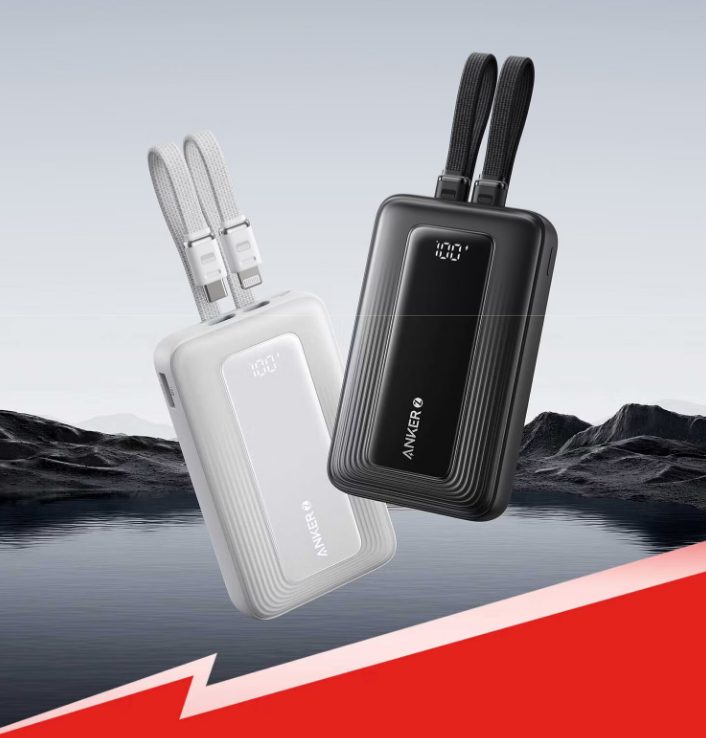
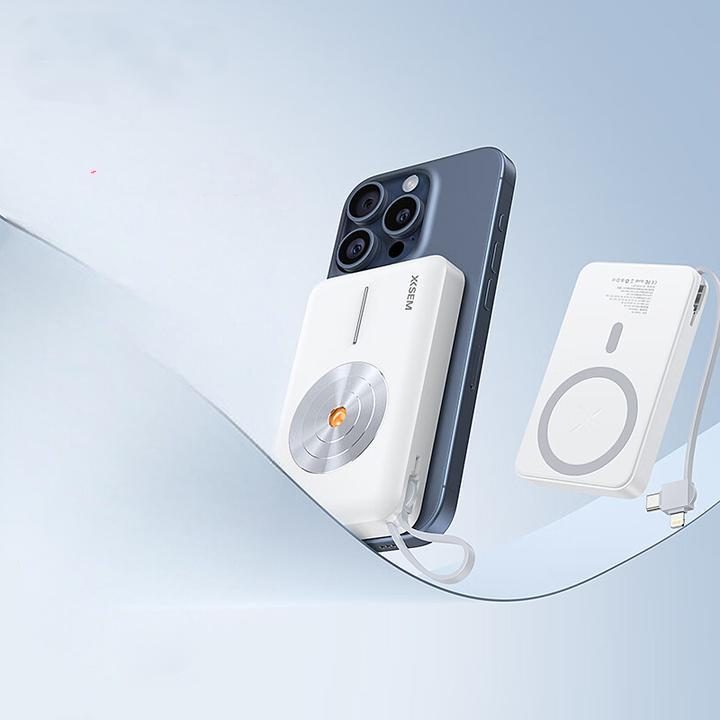
A magnetic power bank trades a cable for a pair of alignment magnets, and the honest case for it is about convenience rather than efficiency. Wirelessly transferred energy is lost twice before it reaches a handset, and the pack that snaps onto the back of a phone will always deliver fewer usable watt-hours than an equivalent wired unit of the same capacity. Whether that trade is worth making depends entirely on how the pack is used.
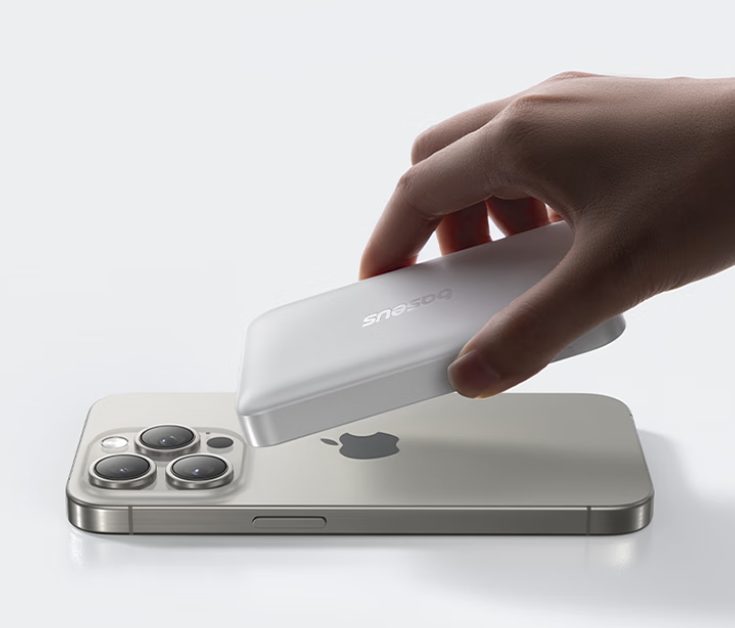
The category has also changed shape recently. Early magnetic accessories attached by alignment alone and relied on whatever the handset's own wireless receiver would accept. Current products are built around the Qi2 specification, which adds a magnetic array and a defined power profile to the existing Qi standard, and around the equivalent magnetic ring Apple uses on its handsets. That matters for buyers because it is what makes 15 W wireless transfer an interoperable figure rather than a vendor claim.
What the magnets actually do
Alignment is the whole point. A wireless coil charges efficiently only when the transmitter and receiver coils are concentric; offset them by a few millimetres and the coupling falls away quickly. Before magnetic arrays, that alignment had to be found by hand and held by friction, which is why early wireless charging pads and phones so often drifted apart overnight.
A magnetic array fixes the coils in position within a fraction of a millimetre and holds them there under movement. The practical results are a charge that does not stop when the phone is picked up, and a pack that can be used as a handset is used - which is the actual product proposition. Most current units place a ring of 12 to 20 magnets behind the coil, and the advertised holding force matters far less than whether the array survives the torsion of a phone being turned in the hand.
Alignment is what the magnet array guarantees; the Qi standard is what the pack and the phone agree on once they are aligned.
15 W wireless against 20 to 22.5 W wired
Almost every magnetic pack carries two output paths, and comparing them explains the trade-off:
| Path | Typical rating | Practical effect |
|---|---|---|
| Magnetic wireless | 15 W (Qi2) | No cable; the pack is used attached to the phone |
| USB-C wired output | 20 to 22.5 W | Faster, cooler, requires a cable |
| USB-C input | 18 to 20 W | Determines how long the pack itself takes to refill |
The efficiency gap is larger than those numbers suggest. A wired transfer on a pack of this class converts roughly 85 to 90 per cent of the stored energy into delivered energy. A 15 W wireless transfer converts closer to 60 to 70 per cent, and the remainder becomes heat in the coils and in the phone. On a 10,000 mAh pack with a rated capacity around 6,000 mAh, that difference is worth something like one third of a phone charge.
The heat is the second-order problem. A pack and a phone pressed together have no airflow between them, and the warmth that would dissipate from a wired connection accumulates in both devices. Charging slows as the temperature rises - a thermal management response rather than a fault, but one that erodes the wireless advantage further during long sessions.
Measured against wired packs of the same nominal capacity the difference is large enough to change a buying decision, and the tiers it is measured across are compared in Best power banks in 2026.
Thermal management, and why it is worth checking
Because heat is the limiting factor, temperature control is the specification that separates competent magnetic packs from cheap ones. The components to look for are a negative-temperature- coefficient thermistor at the cell, a controller that samples it continuously, and a charging profile that reduces current before the cell reaches its limit rather than after.
Manufacturers describe this in different amounts of detail. Some publish a sampling interval - one every few seconds, or many times a minute - and some describe a layered structure intended to spread heat away from the coil. A published interval and a named protection feature are more informative than an adjective, and they are usually a reliable sign that the product has been engineered rather than assembled.
The safety features to confirm are the standard set: over-charge, over-discharge, over-current, short-circuit and over-temperature protection, plus a certification mark from the scheme that applies in the buyer's market. On a pack that is pressed against a phone for hours, these matter more than they do on a device sitting on a desk.
When the magnetic design wins, and when it does not
The magnetic form factor is clearly the better choice in a few situations:
- Navigation and photography outdoors. A pack that stays attached while the phone is held, mounted or pocketed removes the cable that would otherwise dangle and snag.
- Car use and desk use. A magnetic mount doubles as a stand, and the phone can be picked up mid-charge without interrupting it.
- Anywhere a cable would be lost or forgotten. The most common failure of a conventional pack is arriving somewhere without its cable.
It is the weaker choice in others, and the reasons are specific:
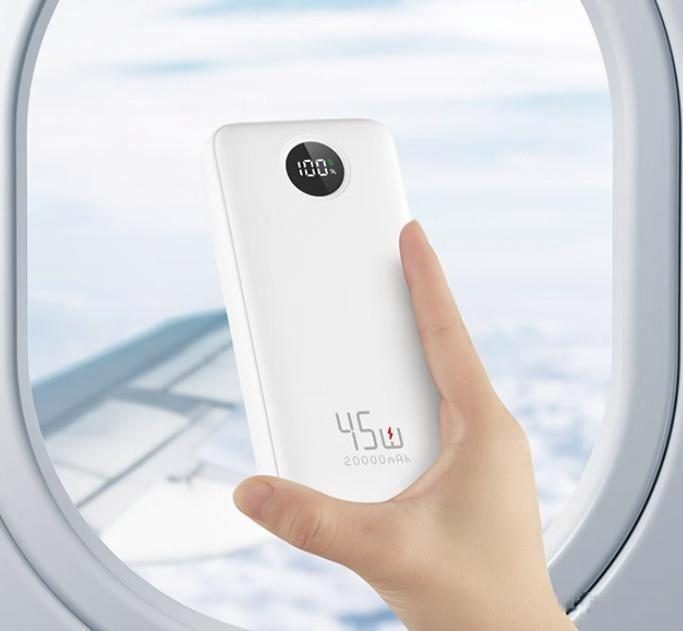
- Charging a laptop. No magnetic pack in this class delivers the sustained 45 W or more a laptop expects, and the coil geometry does not support it.
- Maximum charges per gram. A wired pack of the same capacity and weight delivers measurably more usable energy, because it does not lose a third of it as heat.
- Thick cases and metal plates. A case beyond a few millimetres weakens the coupling, and an intervening metal plate blocks it outright. Some aftermarket cases include a magnetic ring for exactly this reason.
- Sustained high-power use. Wireless transfer at 15 W while the phone is also working hard under load will thermally throttle sooner than a wired connection would.
Choosing between magnetic models
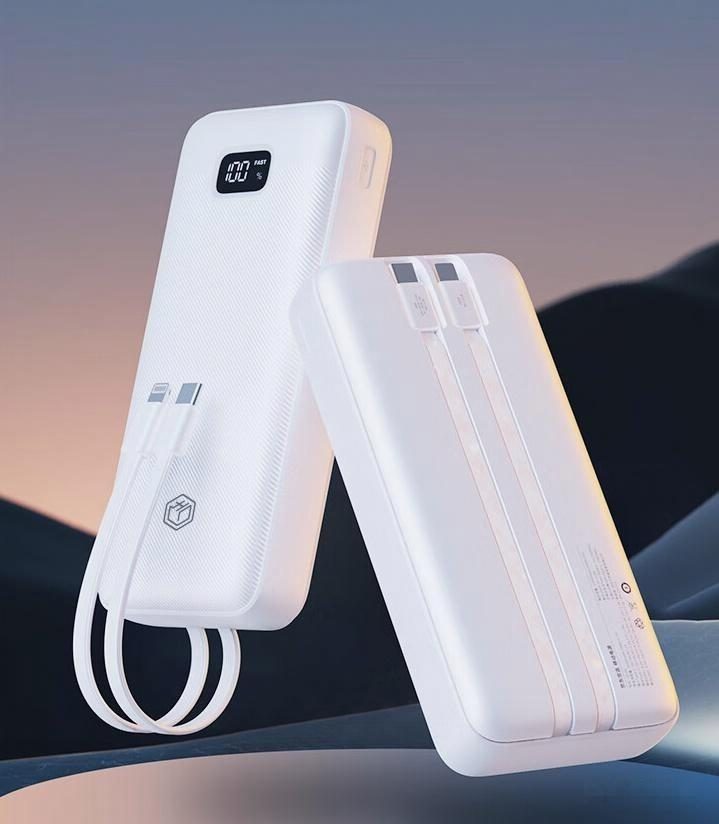
Within the category the differences that matter are unglamorous. Check that the pack supports Qi2 rather than an earlier proprietary magnetic scheme, because Qi2 is what secures 15 W across handsets rather than only on one brand's models. Confirm the wired output is present as well, since it is the faster path when a cable is available. Check the input rating, because a 10,000 mAh pack that refills in two hours is far more useful than one that needs five.
Then check the magnetic array itself against the phone the pack will actually be used with. A case with a magnetic ring, or a handset with one built in, is a prerequisite rather than an accessory. And where a pack offers a fold-out stand, it is worth confirming it holds the phone at an angle under load rather than sagging - a small mechanical detail that decides whether the feature is used at all.