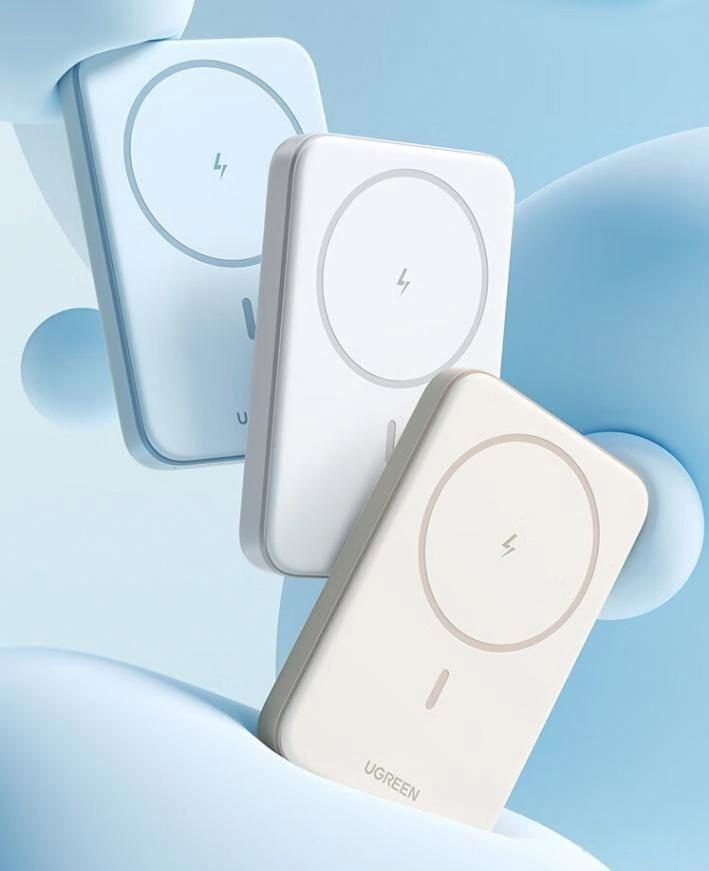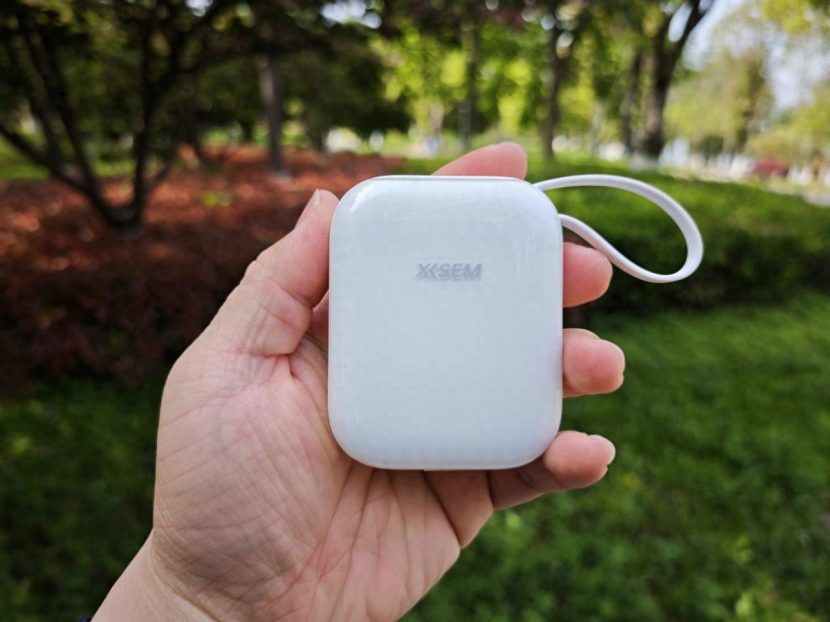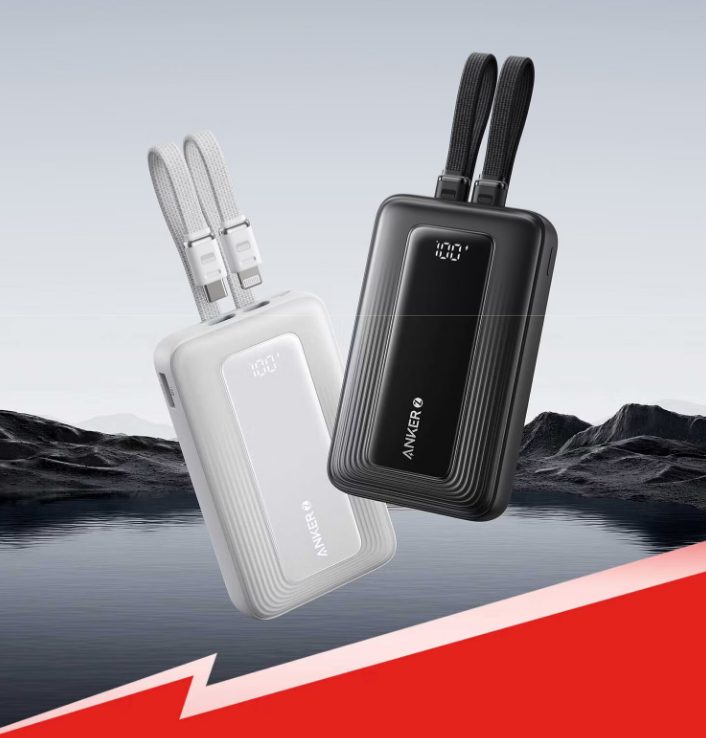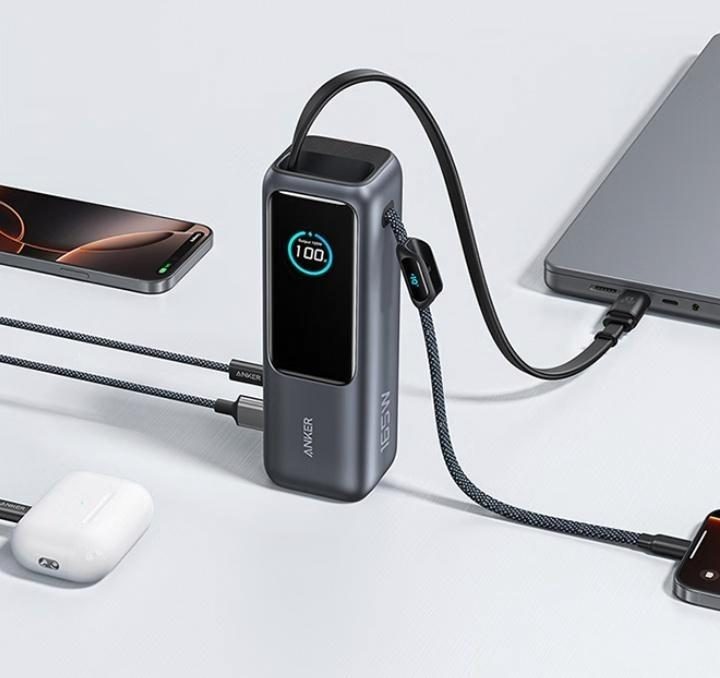
At 20,000 mAh a power bank stops being a phone accessory and starts being a working tool. The class covers laptop charging, several days away from a socket and two-device use, and it does so at a weight the buyer has to carry. The specification choices that matter are output rating, the way simultaneous charging is split, and whether the pack can recharge itself quickly.
Capacity in context
| Measure | Typical value | Practical meaning |
|---|---|---|
| Rated capacity | 20,000 mAh at 3.7V | Two to three phone charges, or one laptop top-up |
| Rated energy | 72–74 Wh | Below the 100 Wh cabin threshold, so no airline approval is needed |
| Output | 45–65W on one port | Charges a 13-inch laptop and most phones at full rate |
| Input | 45–65W | Refills in roughly 90 minutes |
| Weight | 380–460g | Bag rather than pocket |
The watt-hour figure is the one worth memorising. It sits under the 100 Wh limit that most regulators set for carriage in the cabin without prior approval, which is why this class is the largest that can be carried without asking anyone's permission first.
Output combinations
Multi-port packs publish a table of combinations, and the total is almost never the sum of the individual ratings. A unit rated 65W on one port typically splits to 45W and 20W when a laptop and a phone are attached, and to 30W and 20W plus 20W when three devices are connected. The table is the document to read: it states what the pack delivers in the configuration that will actually be used. For a single laptop, one high-output port is what matters. For a family travelling with three phones, the simultaneous split matters far more than the peak figure on the box.
Charging a laptop from a power bank
- The laptop decides the requirement. A 13-inch ultraportable usually accepts 45W and will hold its charge under light load. A 16-inch workstation may draw 100W or more and will discharge more slowly rather than not at all.
- Cable rating is part of the circuit. Above 60W the cable must carry an electronic marker chip. An unmarked cable caps the link at 60W regardless of the pack.
- Pass-through charging. A pack plugged into the wall while also feeding a laptop is convenient, but some units prioritise one direction or suspend one output. Where the arrangement is intended to be used daily, confirm the behaviour before relying on it.
- Charge retention. Lithium packs self-discharge slowly and dislike being stored empty. Leaving a pack at roughly half charge between trips preserves more capacity over years than cycling it to zero.
Before buying
- Read the combination table rather than the headline wattage, and check the rating for the single device that matters most.
- Confirm the input rating. A 20,000 mAh pack at 18W input takes four hours to refill, which is the most common complaint in this class.
- Weigh the pack against how it will be carried. At 400g and up, a bag is the realistic home.
- Check that the pack reports its remaining capacity in per cent rather than four vague dots if the pack is used for work, where the difference between a quarter and a tenth decides whether a device can be charged.
Where to start
- Best power banks in 2026 — the 20,000 mAh tier compared on output combinations and refill time.
- Power bank buying guide — what determines delivered charge and how to read a combination table.
- Flying with a power bank — the watt-hour thresholds, and why this class travels without approval.
Where to buy a 20,000 mAh power bank
This category page links out to a retailer once the final product link is confirmed. Outbound purchase links are treated as affiliate links and are disclosed in the Advertising Disclosure.
Price link pendingOutbound product link pending. Set the "20000mah-power-bank" key in .workbuddy/tools/product-links.json, then re-run the build, to activate this button.