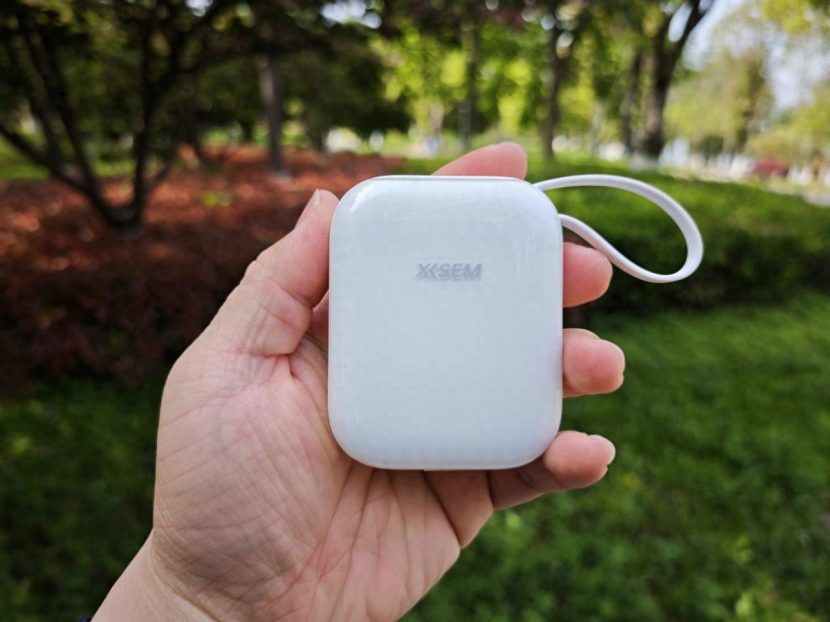
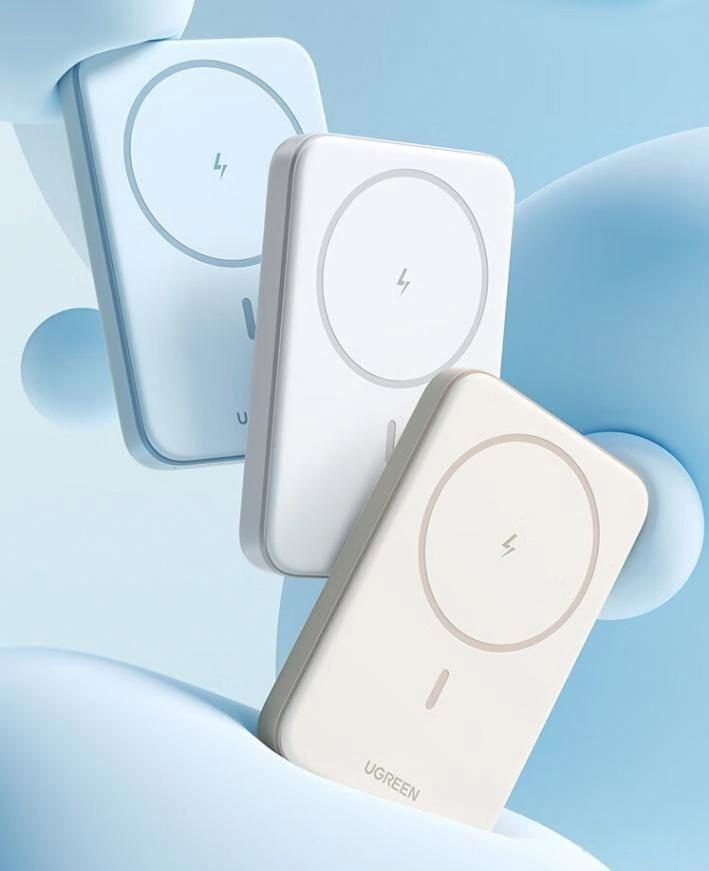
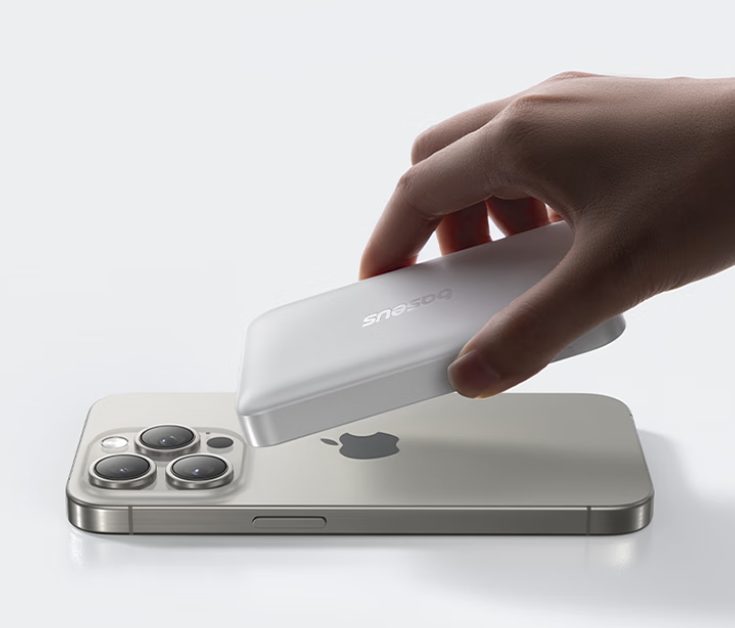
The rules that govern carrying a battery on a plane are set by the energy it stores rather than by its capacity in milliamp-hours. They are also stricter than most passengers expect in one specific direction: a power bank is the one common item that is not permitted in checked baggage at all.
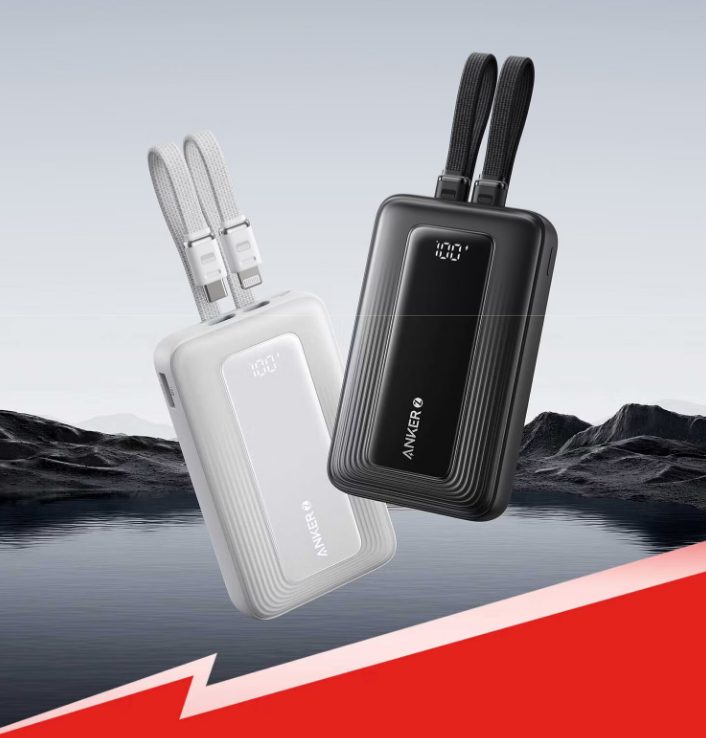
Three thresholds apply almost everywhere, because they come from the same international framework for dangerous goods rather than from individual airlines. A pack rated at 100 Wh or less may be carried in the cabin without any approval. A pack between 100 Wh and 160 Wh requires the airline's consent and is normally limited to two per passenger. A pack above 160 Wh is refused outright. The pack must be in carry-on luggage and must be protected against short circuit, which in practice means keeping it away from loose metal and, where a manufacturer supplies one, keeping the terminals covered.
Watt-hours, and why the number on the box is not it
Manufacturers sell on milliamp-hours. Aviation regulates watt-hours. The two are related by the cell's nominal voltage, which is why a nominal capacity cannot be compared directly against a regulatory threshold:
Watt-hours = nominal voltage (V) × rated capacity (Ah)
| Marked capacity | At 3.7 V | Status |
|---|---|---|
| 10,000 mAh | 37 Wh | Cabin, no approval needed |
| 20,000 mAh | 74 Wh | Cabin, no approval needed |
| 27,000 mAh | 100 Wh | Cabin, at the unapproved ceiling |
| 30,000 mAh | 111 Wh | Cabin, airline approval required, two per passenger |
| 43,000 mAh | 159 Wh | Cabin, airline approval required, two per passenger |
| 45,000 mAh | 167 Wh | Not permitted on board |
Packages that print a watt-hour rating alongside the capacity make this check trivial, and most current products do. Where the watt-hour figure is absent, it can be calculated from the marked voltage and capacity. Where the markings are worn or absent so that neither figure can be read, expect the item to be refused: security staff cannot verify a specification that is not printed, and they are not required to take the passenger's word for it.
Why the marked figure differs from the watt-hour figure at all is a question of cell capacity against rated capacity, which is unpacked in the power bank buying guide.
Why a power bank cannot be checked in
The prohibition on checked batteries is not an administrative preference. A lithium cell that fails can begin to vent and smoulder while continuing to look intact from outside, and the first sign of trouble is often heat that spreads. In the cabin, a flight attendant can reach the bag, cool the device and contain it. In the hold, a fire that starts in a sealed container inside an inaccessible compartment is a different problem entirely, and one that cargo-fire suppression systems are designed around rather than for.
The practical instruction follows directly: pack the power bank in the bag that goes in the overhead locker, and put it where it can be reached rather than at the bottom of the bag.
Condition, modification and the limits of age
Beyond the energy threshold, a pack can be refused on condition. Swelling, a split or deformed case, leaking electrolyte or a persistent smell indicate damage to the cell or the internal structure, and a damaged lithium cell is more likely to short internally and run hot. Such a pack should be replaced rather than carried, independently of the flight.
Age on its own is not a disqualification. A pack that has been in service for several years but holds its capacity, remains undamaged and carries legible markings is not excluded by the rules. The distinction is condition, not age.
Self-modification is a different matter. Replacing cells, rewiring the output or adding circuitry changes the electrical structure of the pack, and the original protection features - over-charge, over-discharge, over-current and short-circuit protection - can no longer be assumed to work. A modified pack presents as an unknown quantity at security, and carriers generally decline to accept it. Refurbished and self-assembled packs fall into the same category.
Packs that meet the condition requirements without qualification are the ones worth shortlisting before a trip; current models are profiled in Best power banks in 2026.
Where regional rules add requirements
The three watt-hour thresholds are near-universal, but individual jurisdictions add their own conditions, and one of them is specific to flights within China.
| Jurisdiction | Additional requirement |
|---|---|
| China, domestic flights | Since 28 June 2025, the power bank must carry a legible, valid CCC mark. Products without it, or with a mark that is worn or illegible, are not accepted in the cabin regardless of capacity. Recalled models and batches are also refused. |
| United States | Spare lithium batteries must travel in carry-on baggage; the watt-hour tiers above apply, and terminals should be taped or bagged individually. |
| European Union and United Kingdom | The same tiers apply, with most carriers capping approved packs at two per passenger and requiring them in the cabin. |
Two things are worth carrying away from that table. The first is that a passenger flying into or within China on a pack bought elsewhere may find the CCC requirement decisive, because a product that is entirely compliant in its home market can still lack the mark. The second is that airline policy is applied on top of regulation rather than instead of it, and carriers do vary. A confirmation from the operating airline is therefore worth more than a general rule, particularly for a pack between 100 and 160 Wh that needs written approval.
The international baseline comes from the IATA Dangerous Goods Regulations, which each national authority then implements with additions of its own.

Before leaving for the airport
- Read the watt-hour figure. Under 100 Wh needs no approval; 100 to 160 Wh needs the airline's, and is normally capped at two; above 160 Wh is not permitted.
- Check the markings are legible. Capacity, voltage and watt-hours, plus any regional certification the destination requires.
- Inspect the case. Swelling, splits, deformation or leakage mean the pack stays behind.
- Rule out modification. A self-assembled or reworked pack should not be presented at security.
- Check for recalls. Confirm the model and batch, particularly for units bought more than a year ago.
- Move it to carry-on. The power bank travels in the cabin bag, not the checked case.
- Protect the terminals. Keep the pack away from keys and loose metal, and use the supplied cap or a bag where one is provided.
- Ask the airline about the middle tier. For a pack between 100 and 160 Wh, confirm the approval process before the day of travel.
Regulations and carrier policies are revised from time to time, and the requirement that applies is the one in force on the day of travel as applied by the airline and the security officer at the airport. For a pack anywhere near a threshold, confirming with the operating carrier is the only reliable step.